
What Are Herbal Supplements? How Plant-Based Ingredients Become Wellness Products
Herbal supplements have become a common part of many wellness routines, but terms like botanical ingredients, plant-based formulas, herbal extracts,

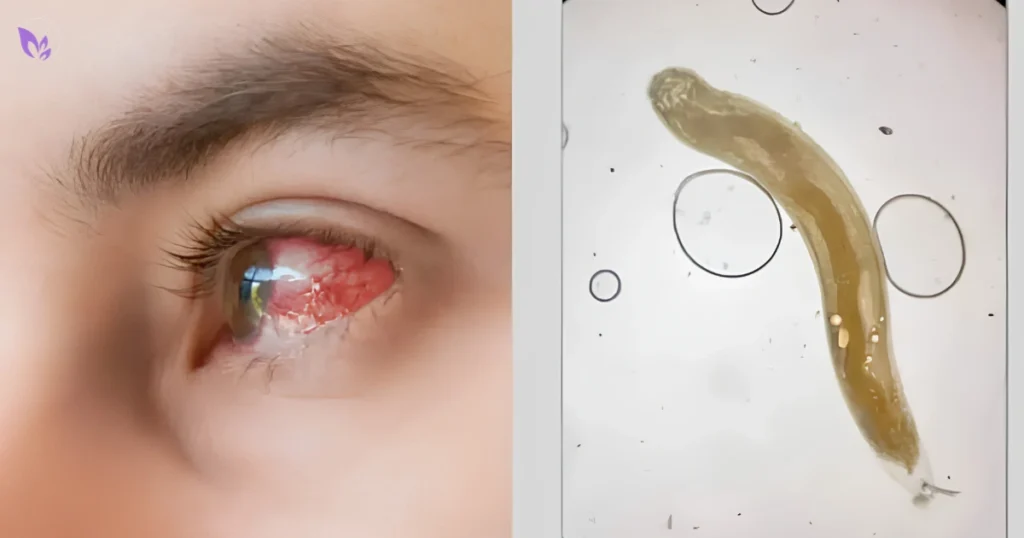
Eye parasites in humans include microscopic amoebae, protozoa, eyelid mites, and parasitic worms that can affect the eyelids, cornea or retina. Possible symptoms include redness, pain, tearing, light sensitivity, blurred vision, new floaters or visible movement. Because treatment depends on the organism involved, suspected infections require professional diagnosis.
Ordinary eye irritation or the appearance of floaters does not prove that parasites are present. Allergies, dry eye, bacterial infections, and several other eye conditions can produce similar symptoms, so an eye-care professional must examine the eye.
Eye parasites are organisms that live on or inside tissues around the eye. Some affect the eyelids and eyelashes, while others involve the cornea or retina. Microscopic parasites in human eyes require specialist equipment to identify, while certain eye worms in humans may occasionally be visible.
Visibility does not indicate how serious an infection is. A microscopic organism can damage the cornea, while a visible surface worm may initially cause irritation or a foreign-body sensation. Symptoms alone cannot identify the organism responsible.
Eye worm symptoms and symptoms caused by microscopic organisms vary according to the affected eye structure. Possible signs include:
| Symptom | Possible concern |
| Redness and tearing | Surface irritation or infection |
| Severe pain | Possible corneal involvement |
| Blurred vision | Cornea or retina may be affected |
| Visible movement | Possible surface eye worm |
| Sudden vision changes | Urgent examination is needed |
Persistent pain, light sensitivity, visible movement, or vision changes should be assessed promptly. These signs are not proof of parasites in the eyes, but they should not be self-treated.
The term “eye parasite” covers several organisms with different exposure routes and possible effects.
| Type | Common exposure | Possible eye effect |
| Acanthamoeba | Water exposure, particularly with contact lenses | Painful corneal infection |
| Toxoplasma | Food exposure or infection passed during pregnancy | Retinal inflammation |
| Toxocara | Contaminated soil or animal waste | Vision problems, often in one eye |
| Loa loa | Insect bites in affected regions | Movement beneath the eye surface |
| Thelazia | Fly transmission | Tearing and foreign-body sensation |
| Onchocerca | Blackfly bites | Corneal inflammation and visual damage |
| Demodex eyelid mites | Overgrowth around eyelash follicles | Eyelid irritation and crusting |
Demodex mites mainly affect the eyelids and eyelashes, while other organisms can affect structures inside the eye. Water exposure while wearing contact lenses can increase the risk of Acanthamoeba keratitis, a rare corneal infection that may cause severe pain, blurred vision and light sensitivity.
Some parasites affect the digestive tract, while others involve tissues outside it. This guide to intestinal parasites in humans explains common symptoms, transmission routes and medical testing.
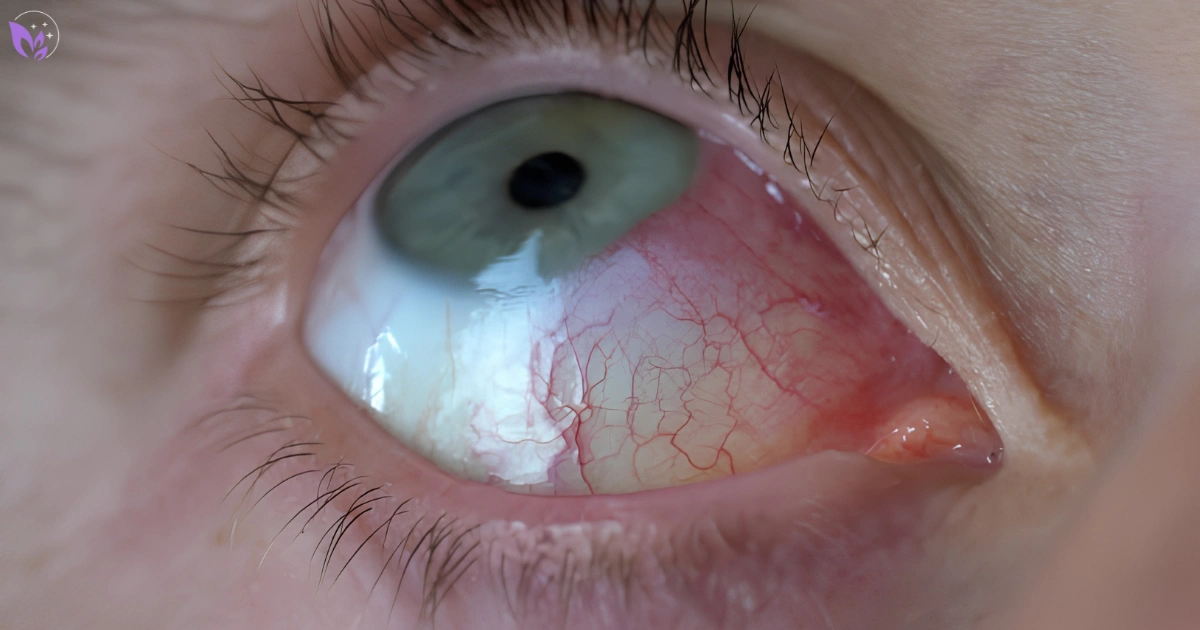
What causes eye parasites depends on the organism. Possible exposure routes include:
For certain infections, weakened immunity may increase the risk of severe disease or reactivation. It is not, however, a universal cause of parasitic eye infection. Contact-lens and water exposure is a specific risk factor for Acanthamoeba keratitis rather than every type of eye parasite.
People often ask how to know if they have eye worms or how eye parasites are diagnosed. There is no single test that can identify every organism. Diagnosis begins with the person’s symptoms, exposure history, and a detailed eye examination.
Depending on the suspected organism and the part of the eye affected, testing may include:
The clinician may also ask about recent travel, contact-lens habits, water exposure, insect bites, food history, and animal contact. These steps help distinguish a parasitic eye infection from dry eye, bacterial or fungal infection, inflammation, and ordinary floaters.
Floaters usually appear as dots, threads, cobwebs, or shadows moving within a person’s field of vision. They are visual effects inside the eye and are not usually parasites. A visible eye worm, by contrast, may appear physically on or beneath the eye surface.
New floaters accompanied by flashes, reduced vision, or a curtain-like shadow require urgent eye care, even when no parasite is involved. An eye examination is the only safe way to distinguish between ordinary floaters, retinal problems, and signs that may be associated with parasites in human eyes.
Eye parasite treatment varies according to the confirmed diagnosis. Depending on the organism and the damage involved, treatment may include:
There is no universal medicine or treatment plan for every ocular parasite infection. For example, treatment decisions for infections affecting the retina may depend on the location, activity, and severity of the lesion. At the same time, a visible surface worm may require removal by a trained professional.
A visible worm or unknown object should never be removed at home. Attempting removal without sterile instruments can injure the cornea or introduce infection. Anyone searching for how to get rid of eye worms should arrange a professional examination instead of attempting a fixed home treatment.
There are no proven natural remedies for eye parasites that can safely diagnose, remove, or cure an organism affecting the eye.
Do not place any of the following directly into the eye:
Products applied to the eye must be sterile because contamination can result in infection and damage. Some unapproved eye products may also contain ingredients that are unsuitable for use in the eye.
Although herbs are sometimes discussed in general parasite-related wellness content, they are not treatments for eye infections and must never be placed in the eye. A separate guide reviews the evidence and safety of anti-parasitic herbs without presenting them as eye treatments.
Trying to treat an eye parasite naturally can delay diagnosis while inflammation or damage continues to progress.
Seek urgent medical attention if you experience:
Prompt assessment matters because delayed treatment of some corneal or retinal conditions can threaten vision. Eye pain, redness, blurred vision, light sensitivity, excessive tearing, and a foreign-body sensation can occur with serious corneal infection.
The risk cannot always be eliminated, but practical precautions include:
Keeping contact lenses away from water is particularly important because water can contain microorganisms capable of causing severe corneal infection.
Eye parasites in humans are uncommon but potentially serious. Eye redness, irritation or floaters should not automatically be interpreted as parasites. However, persistent pain, visible movement, light sensitivity or vision changes require timely professional assessment.
Accurate diagnosis is essential because treatment differs widely between amoebae, protozoa, mites and parasitic worms. Avoid attempting eye parasite removal or using homemade eye preparations, and seek qualified eye care when symptoms are severe, unusual or worsening.
Yes. Certain parasitic worms can affect the surface or deeper structures of the human eye. Some may become visible, while many other eye parasites are microscopic and require professional examination or testing.
Redness, pain, tearing, blurred vision, light sensitivity, or visible movement may raise concern, but none of these symptoms confirms a parasite. A detailed eye examination and organism-specific testing are required.
Some infections involving the cornea or retina can cause blurred vision, reduced vision, or new floaters. These symptoms also have many non-parasitic causes and should be evaluated promptly.
A trained eye-care professional may remove a visible surface worm using sterile instruments in a clinical setting. Further testing or medication may then be required, depending on the organism and whether other parts of the body are affected.
Transmission varies by organism. Many parasitic eye infections are acquired through insects, contaminated water, food, soil, or animal exposure rather than ordinary person-to-person contact.
Medical Disclaimer: This article is for general educational purposes only and is not a substitute for professional medical advice, diagnosis,s or treatment. Consult a qualified eye-care professional if you suspect an eye parasite or experience concerning eye symptoms.


Noor-ul-Ain is a Tech & SEO Content Writer with over 4 years of experience creating search-optimized content for digital platforms. She specializes in SaaS products, AI tools, SEO strategy, and product documentation, helping platforms turn complex features into clear, search-driven growth. Noor-ul-Ain has also written extensively on health science, sports, fitness, fashion, and beauty, focusing on informative and reader-friendly content.
Herbal supplements have become a common part of many wellness routines, but terms like botanical ingredients, plant-based formulas, herbal extracts,

If you’ve spent any time browsing wellness supplements online, you’ve probably come across names like Paragon, TNM, and TRACE without

Choosing a supplement today is often more complicated than picking a single nutrient. Many modern formulas combine multiple ingredient categories,