
Mahoney Supplements Product Names Explained: What Paragon, TRACE, TNM, and Other Names Mean
If you’ve spent any time browsing wellness supplements online, you’ve probably come across names like Paragon, TNM, and TRACE without

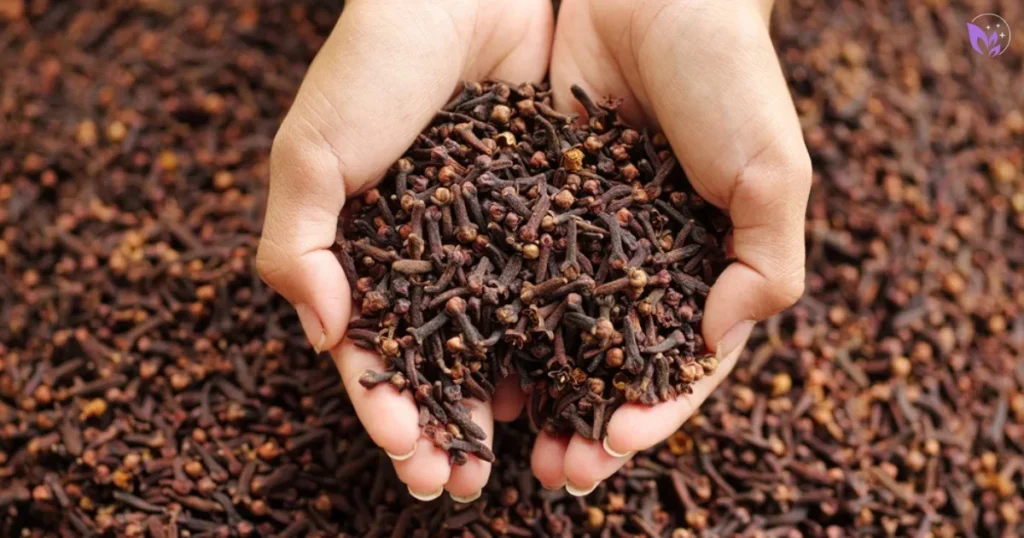
Natural wellness has become a major part of modern gut health routines. Many people now search for natural anti-parasitic herbs for gentle support of digestion, cleansing, and overall wellness. Herbs such as wormwood, black walnut hull, clove, garlic, oregano, neem, pumpkin seeds, and papaya seeds have been used in traditional wellness systems for many years.
Whether you live in the USA, UK, or Canada, interest in natural parasite cleanse herbs and digestive wellness supplements is growing. However, it is important to understand one thing clearly: herbs may support gut wellness, but they should not replace medical diagnosis or prescribed treatment for confirmed parasitic infections.
The CDC notes that stool testing, including ova and parasite testing, may be used when symptoms such as diarrhea, cramping, gas, or other abdominal illness are present. This guide explains 15 herbs, their traditional uses, possible benefits, and important safety precautions.
Parasites are organisms that live on or inside a host and receive nutrients from that host. In human health, internal parasites may include protozoa and intestinal worms. Some people may experience digestive symptoms such as bloating, irregular bowel movements, gas, fatigue, changes in appetite, or unexplained discomfort.
However, symptoms are not always clear. That is why guessing is not the best approach. If someone suspects a parasitic infection, professional testing is safer than relying only on a home cleanse. An ova and parasite test checks stool samples for parasites and their eggs.
This article focuses on herbs for intestinal parasites from a traditional and wellness-support perspective, not as guaranteed cures.
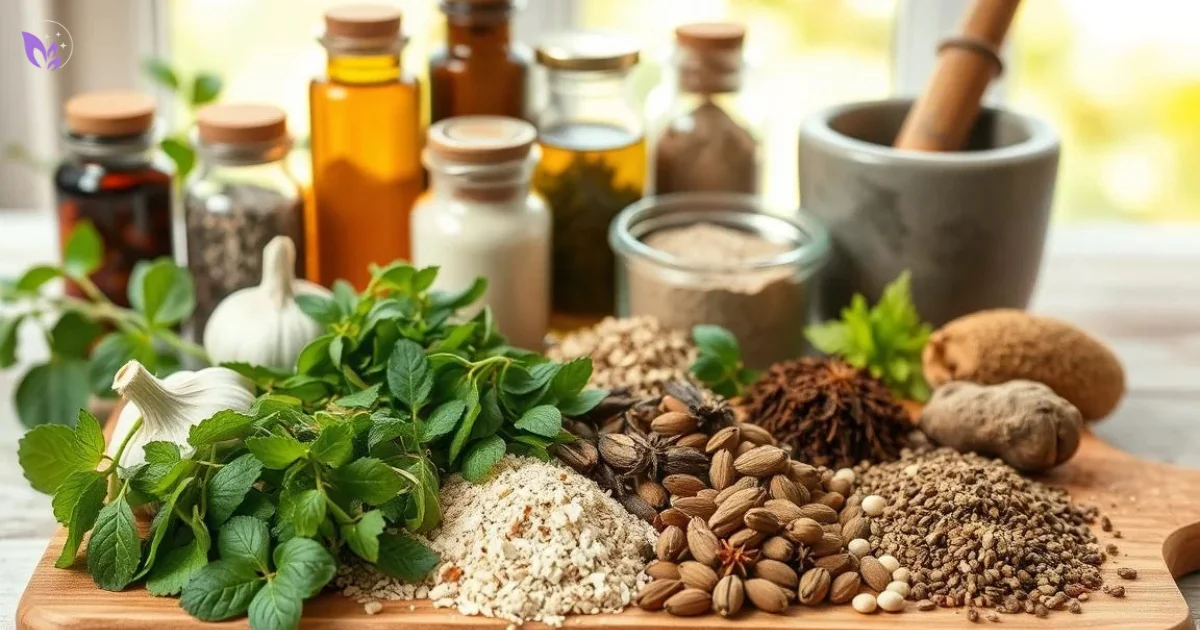
Different anti-parasitic herbs contain different plant compounds. Some herbs are bitter and may support digestive secretions. Others contain aromatic oils, sulfur compounds, tannins, alkaloids, or polyphenols that have been studied for antimicrobial or antiparasitic activity.
For example:
These compounds may support microbial balance, digestion, and a healthier gut environment, which is why many people explore herbal support for gut parasite concerns. Still, “natural” does not automatically mean risk-free. Herbal supplements can interact with medications and may cause side effects, especially when taken in high doses or combined with other products. NCCIH warns that herbal supplements can have drug interactions, toxicities, and contamination concerns.
Some herbs have traditional use, lab research, animal studies, or limited human evidence. However, not every herb has strong clinical proof in humans. This is why the best approach is balanced: use herbs as digestive wellness support, not as a replacement for medical care.
A natural parasite detox routine may include herbs, fiber-rich foods, hydration, and digestive support. But if symptoms are severe, ongoing, or unusual, testing and medical advice are important. The CDC has also highlighted that some parasitic infections occur in the United States and may sometimes go unnoticed.
The goal should be safe support, not extreme detox claims.
Wormwood is one of the most well-known herbs used in traditional parasite cleanse formulas. It is valued for its bitter compounds and has a long history of use for digestive and cleansing support.
Key compounds: artemisinin, absinthin, bitter lactones
Traditional use: intestinal worm and digestive support
Best form: tincture, capsule, or standardized extract
Safety note: Wormwood can be strong. Avoid long-term use, high doses, pregnancy, and use without professional guidance.
Black walnut hull is commonly included in herbal parasite detox formulas, especially alongside wormwood and clove. The green hull is traditionally used for cleansing support.
Key compound: juglone
Traditional use: digestive cleanse support
Best form: green hull tincture or capsule
Safety note: Avoid if allergic to walnuts or tree nuts. Use carefully if taking medications or managing a medical condition.
Clove is often used with wormwood and black walnut hull because of its strong aromatic profile. It is traditionally used for digestive and microbial balance.
Key compound: eugenol
Traditional use: gut cleansing and digestive support
Best form: powder, capsule, tincture
Safety note: Clove oil is highly concentrated and should not be used internally unless under the guidance of a qualified professional.
Garlic is one of the most accessible herbs for supporting the gut and immune system. It has been used in traditional wellness practices for centuries and is known for its strong sulfur compounds.
Key compound: allicin
Traditional use: gut, immune, and microbial balance support
Best form: fresh crushed garlic, aged garlic extract, capsule
Safety note: Garlic may interact with blood-thinning medications and may cause digestive irritation in sensitive people.
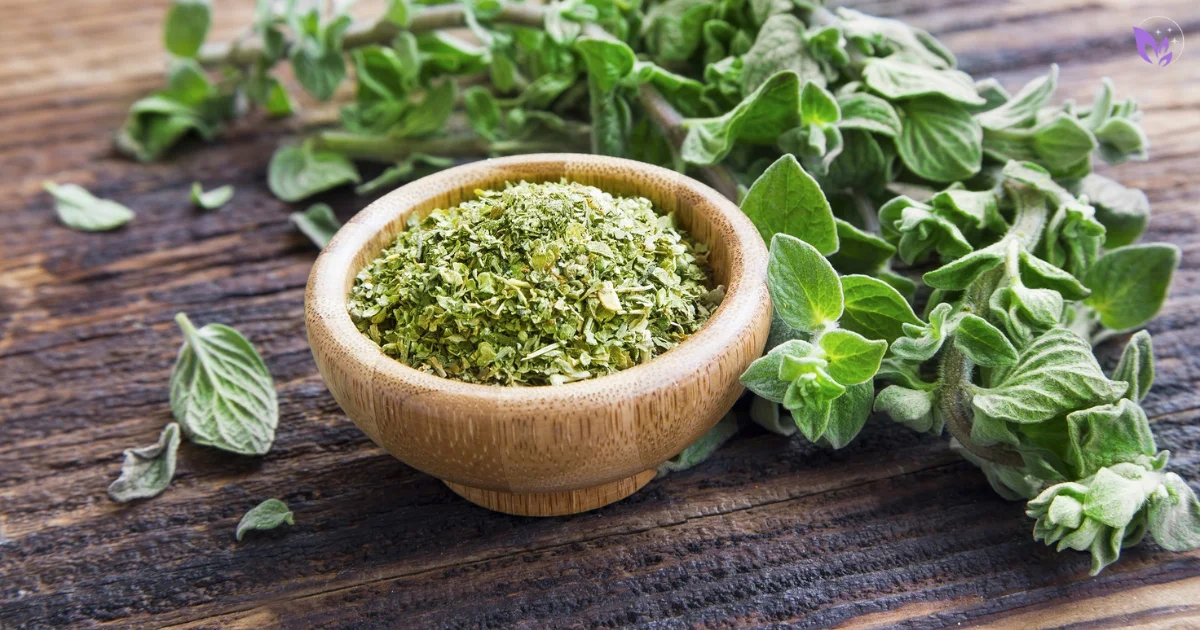
Oregano, especially oregano oil, is popular in gut health routines. It contains powerful aromatic compounds that are often discussed in relation to microbial balance.
Key compounds: carvacrol, thymol
Traditional use: gut and microbial support
Best form: oil capsule, diluted oil, tincture
Safety note: Oregano oil can be harsh on the stomach. Avoid high doses and avoid using essential oils without proper guidance.
Neem is widely used in traditional wellness systems, especially Ayurveda. It is known for its bitter taste and broad traditional use.
Key compounds: azadirachtin, nimbidin
Traditional use: cleansing, skin, immune, and gut support
Best form: leaf capsule, extract, tea
Safety note: Neem is not recommended during pregnancy, breastfeeding, or for children unless advised by a healthcare professional.
Papaya seeds are popular in discussions of natural cleanses. Traditionally, they have been used for digestive support and intestinal wellness.
Key compounds: papain, carpaine
Traditional use: intestinal cleansing support
Best form: dried and ground seeds, capsule
Safety note: Use moderately. Avoid during pregnancy and do not take large amounts.
Pumpkin seeds are a gentle, food-based option often used in traditional deworming routines. They are also rich in nutrients such as zinc, healthy fats, and fiber.
Key compound: cucurbitacin
Traditional use: digestive and intestinal support
Best form: raw or freshly ground seeds
Safety note: Usually well tolerated, but portion control is still important.
Berberine is a plant alkaloid found in herbs such as goldenseal, barberry, and Oregon grape. It is commonly used for gut and microbial balance support.
Key compound: berberine
Traditional use: digestive and microbial support
Best form: standardized extract or capsule
Safety note: Berberine may interact with medications and is not suitable during pregnancy or breastfeeding without medical guidance.
Thyme is a culinary and medicinal herb with a strong aromatic profile. It shares some similar compounds with oregano and is often used for respiratory, digestive, and microbial support.
Key compounds: thymol, carvacrol
Traditional use: digestive and microbial balance support
Best form: tea, tincture, capsule
Safety note: Thyme essential oil is concentrated and should be used carefully.
Black seed oil comes from Nigella sativa seeds and is used in Middle Eastern and South Asian wellness traditions. It is often used for immune and gut support.
Key compound: thymoquinone
Traditional use: immune, digestive, and microbial balance support
Best form: cold-pressed oil or softgel
Safety note: May interact with diabetes or blood pressure medications. Use cautiously if taking prescriptions.
Turmeric is best known for supporting inflammation balance and general wellness. Its active compound, curcumin, has also been studied for several biological activities.
Key compound: curcumin
Traditional use: inflammation balance and digestive support
Best form: capsule, powder, liposomal curcumin
Safety note: High-dose turmeric may not be suitable for people taking blood thinners or those with gallbladder issues.
Ginger is a gentle digestive herb used worldwide. It may support nausea relief, digestive comfort, and support gut motility during cleansing routines.
Key compounds: gingerols, shogaols
Traditional use: digestive comfort and gut support
Best form: fresh root, tea, capsule, tincture
Safety note: High doses may cause heartburn or interact with blood-thinning medications.
Pomegranate peel has traditional use in several herbal systems. The peel contains tannins and polyphenols that make it different from regular pomegranate juice.
Key compounds: tannins, ellagic acid, punicalagins
Traditional use: intestinal and cleansing support
Best form: peel powder or standardized extract
Safety note: Concentrated extracts should be used carefully and not in excessive amounts.
Mimosa pudica has become popular in modern gut cleanse routines. Its seed powder forms a sticky, gel-like texture when mixed with moisture, which is why it is often used for gut cleansing support.
Key compounds: mucilaginous fiber, tannins
Traditional use: gut cleansing support
Best form: seed powder or capsule
Safety note: Take with plenty of water. Avoid overuse if constipated
| Herb | Key Compound | Traditional Use | Common Form |
| Wormwood | Artemisinin, bitter lactones | Worm and cleanse support | Tincture/capsule |
| Black Walnut Hull | Juglone | Cleanse formulas | Hull extract |
| Clove | Eugenol | Digestive cleanse support | Powder/tincture |
| Garlic | Allicin | Gut and immune support | Fresh/extract |
| Oregano | Carvacrol, thymol | Microbial balance | Oil/capsule |
| Neem | Azadirachtin | Traditional cleansing support | Leaf extract |
| Papaya Seeds | Papain, carpaine | Intestinal support | Ground seeds |
| Pumpkin Seeds | Cucurbitacin | Gentle digestive support | Raw seeds |
| Berberine | Berberine | Gut balance | Capsule |
| Thyme | Thymol | Digestive support | Tea/tincture |
| Black Seed Oil | Thymoquinone | Immune and gut support | Oil/softgel |
| Turmeric | Curcumin | Inflammation balance | Capsule/powder |
| Ginger | Gingerols | Digestive comfort | Tea/capsule |
| Pomegranate Peel | Tannins | Intestinal support | Peel extract |
| Mimosa Pudica | Mucilaginous fiber | Gut cleanse support | Seed capsule |
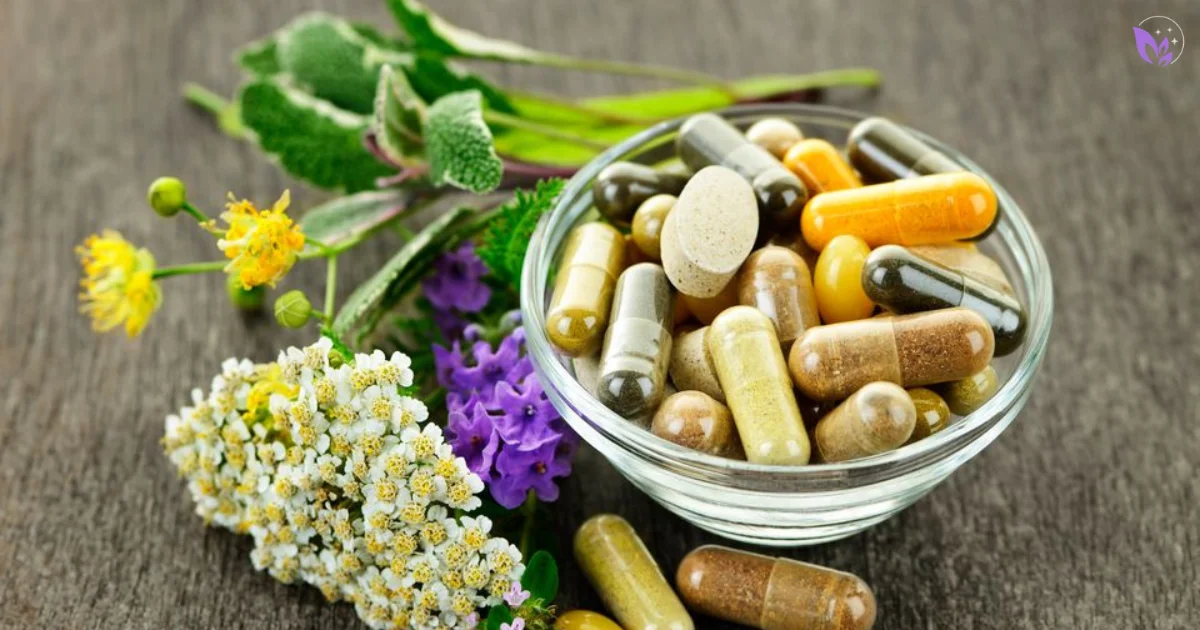
Herbs can be helpful, but they must be used responsibly. Start with gentle options, follow the label directions, and avoid combining many strong herbs at once. Essential oils should be treated with extra caution because they are highly concentrated.
At Mahoney Inter Supplements, we believe herbal wellness should focus on quality, clear labeling, and safe daily support.
Basic safety tips:
Food choices can support digestion and elimination during a cleanse routine. A balanced diet is better than extreme restriction.
Helpful foods may include:
Try to reduce refined sugar, processed foods, and excessive alcohol intake, as they may worsen digestion and energy levels. A cleanse routine works best when hydration, regular bowel movements, and overall nutrition are supported.
Some people report temporary discomfort during cleanse routines. This may include bloating, nausea, loose stools, headaches, fatigue, skin breakouts, or changes in bowel movements. However, severe symptoms should not be ignored.
Possible risks include:
The safest approach is to avoid extreme parasite cleanse protocols and choose moderate, well-labeled products. Remember, stronger does not always mean better.
Some people should avoid strong anti-parasite herbs unless they have medical guidance. This includes:
If symptoms persist, a stool test and professional advice are better than self-treatment. Dietary supplements are also not allowed to claim they diagnose, treat, cure, or prevent disease; the FDA requires this disclaimer for structure/function claims.
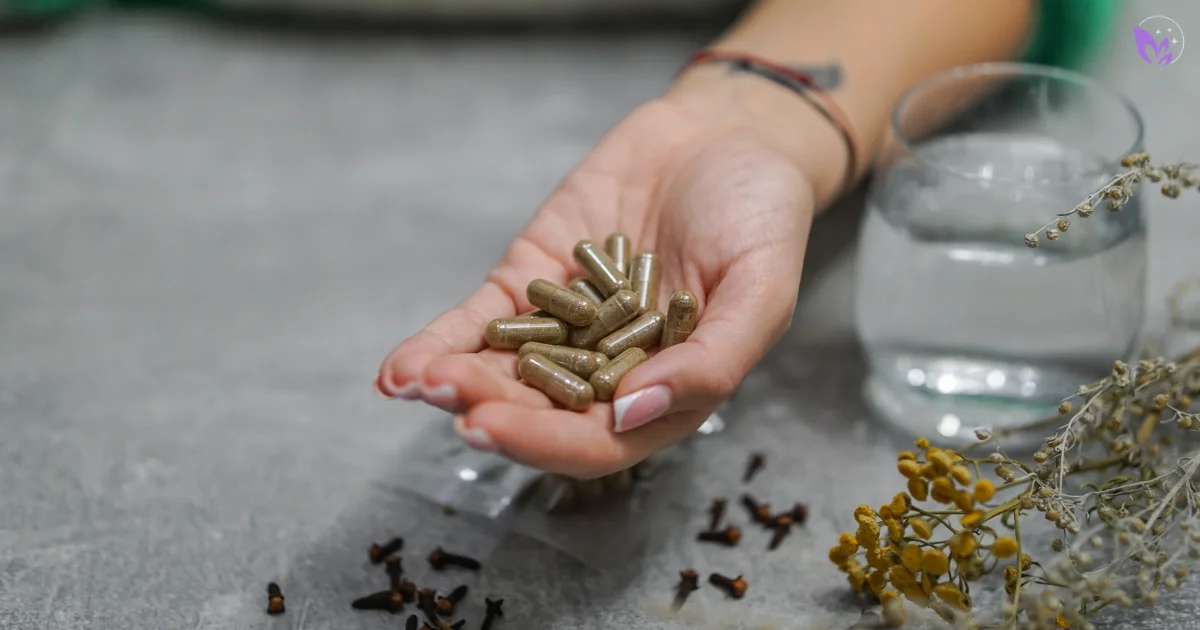
When choosing a natural parasite detox supplement, quality matters. Look for transparent labels, clean ingredients, clear dosage instructions, good manufacturing standards, and realistic claims. Avoid products that promise instant cures or guaranteed parasite removal.
For customers in the USA, UK, and Canada, Mahoney Inter aims to provide quality herbal wellness supplements for digestive support, cleansing routines, and everyday health goals.
A good supplement brand should make it easy to understand:
Natural herbs may support wellness, digestion, and gut balance. However, they should not be presented as a guaranteed cure for parasites. Confirmed parasitic infections may require medical testing and prescription treatment.
If someone has severe diarrhea, blood in stool, unexplained weight loss, ongoing fatigue, fever, dehydration, or symptoms after travel, they should contact a healthcare provider. Herbs can be part of a wellness lifestyle, but they should not delay necessary medical care.
Natural anti-parasitic herbs such as wormwood, black walnut hull, clove, garlic, oregano, neem, pumpkin seeds, papaya seeds, turmeric, ginger, and black seed oil have a long history of traditional use. Some contain compounds that have been studied for antimicrobial or cleansing support, but safety and realistic expectations are essential.
Explore Mahoney Inter Supplements’ herbal wellness products for digestive support, cleansing routines, and everyday gut health.
Some of the most commonly discussed herbs include wormwood, black walnut hull, clove, garlic, oregano, neem, pumpkin seeds, papaya seeds, thyme, turmeric, ginger, and black seed oil. The best choice depends on your health status, tolerance, and safety needs.
Herbs may support gut wellness and cleansing routines, but they should not be viewed as guaranteed parasite cures. If you suspect an infection, proper testing and medical advice are important.
Some herbs are gentle when used correctly, while others are strong and may cause side effects. Safety depends on the herb, dose, product quality, your medical history, and any medications you take.
This combination is common in herbal parasite cleanse formulas. However, it can be strong, so dosage, duration, and personal health conditions matter. People who are pregnant, breastfeeding, taking medications, or managing health conditions should seek professional advice first.
Pregnant women, breastfeeding mothers, children, people with liver or kidney disease, and people taking prescription medications should avoid strong anti-parasite herbs unless advised by a healthcare professional.
There is no one-size-fits-all timeline. It depends on the formula, ingredients, and individual health needs. Always follow the product label and avoid long-term use of strong herbs without guidance.
Essential oils are highly concentrated and can be risky when taken internally. Oregano oil, clove oil, and thyme oil should only be used with proper guidance and in safe forms.


Noor-ul-Ain is a Tech & SEO Content Writer with over 4 years of experience creating search-optimized content for digital platforms. She specializes in SaaS products, AI tools, SEO strategy, and product documentation, helping platforms turn complex features into clear, search-driven growth. Noor-ul-Ain has also written extensively on health science, sports, fitness, fashion, and beauty, focusing on informative and reader-friendly content.
If you’ve spent any time browsing wellness supplements online, you’ve probably come across names like Paragon, TNM, and TRACE without
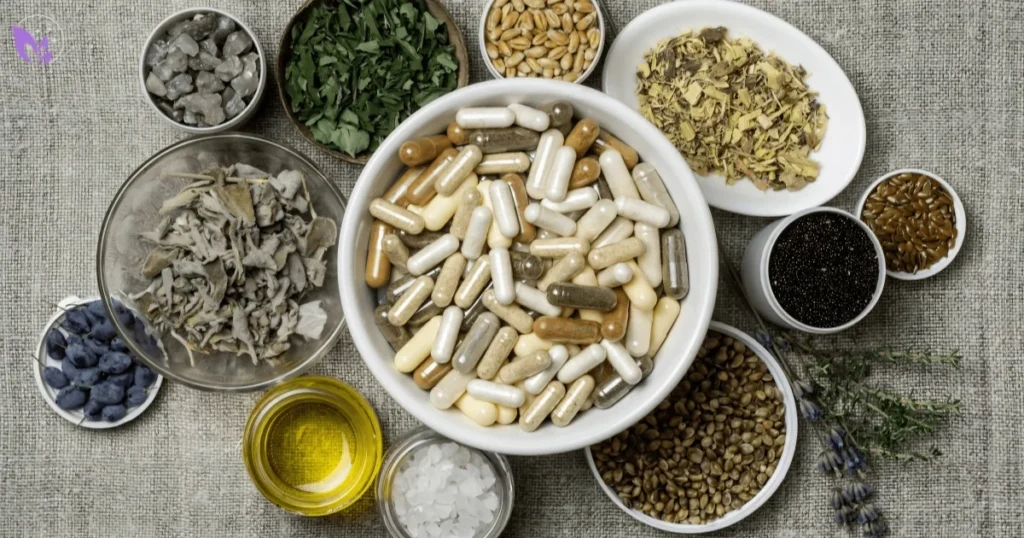
Choosing a supplement today is often more complicated than picking a single nutrient. Many modern formulas combine multiple ingredient categories,

Stress and gut health are closely connected. While stress is often considered something that affects the mind, it can also