
Can You Take Zinc and Iron Together? Absorption, Timing & Safety
Yes, you can take zinc and iron on the same day. Some multivitamins even contain both. Higher amounts of supplemental


Activated charcoal is a fine black, odorless powder used in supplements, water filters, toothpaste, face wash, soap, odor absorbers, and cleanse routines. It is best known for its ability to bind certain substances inside the digestive tract before the body absorbs them.
Many people search for the benefits of activated charcoal because they want help with gas, bloating, toxins, teeth whitening, skin health, or digestive cleansing support. However, not every claim about activated charcoal is strongly proven. Its clearest medical use is in certain poisoning and drug overdose cases under professional care.
At Mahoney Inter Supplements, the goal is to help you understand activated charcoal benefits, uses, risks, dosage, side effects, and safety before adding it to a wellness routine.
Activated charcoal is a black powder made from carbon-rich plant sources such as coconut shells, wood chips, coal, moss, or tree bark. It differs from regular charcoal because it undergoes an activation process that creates thousands of tiny pores.
These tiny pores give activated charcoal a large surface area. That surface area helps it trap chemicals, toxins, impurities, and organic compounds. This is why activated charcoal powder is used in medical treatment, water filtration, dietary supplements, over-the-counter products, and personal care products.
Regular charcoal or barbecue charcoal should never be eaten. It may contain harmful substances, chemicals, or additives and is not safe for use as a supplement.
Activated charcoal is made by heating or scorching carbon-rich materials at very high temperatures. This activating process changes the structure of the charcoal and creates a porous surface.
The tiny pores in activated charcoal allow it to trap certain chemicals, toxins, chlorine, and organic compounds. In water filters, this may help reduce bad taste and impurities. In the gut, activated charcoal may bind certain substances before the stomach and intestines absorb them.
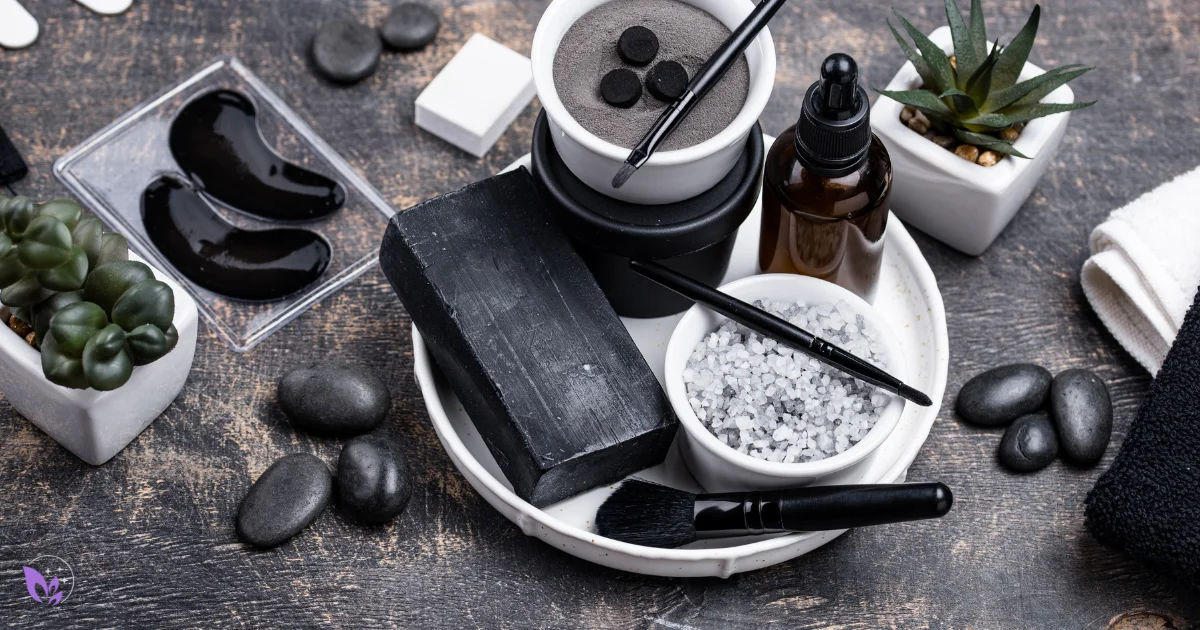
Activated charcoal works through adsorption, not absorption. Absorption means one substance soaks into another. Adsorption means molecules cling to the surface of another substance.
When activated charcoal is taken by mouth, certain toxins, chemicals, drugs, or herbs may cling to the surface of the charcoal particles inside the gut. Because those substances attach to the charcoal, the body may absorb less of them through the stomach and intestines.
This is why activated charcoal is used in hospitals for some poisoning and overdose cases. However, it does not bind every toxin and should not be used as a home remedy for poisoning.
Activated charcoal has many claimed benefits, but the evidence is stronger for some uses than others.
The most recognized use of activated charcoal is in emergency medical care. Doctors, nurses, hospitals, emergency rooms, and poison control specialists may use activated charcoal treatment for certain poisoning or drug overdose cases.
It may be used when someone has swallowed too much medicine or has been exposed to a toxic substance. In some situations, repeated doses of activated charcoal may be used for slow-moving drugs or delayed-release drugs.
Activated charcoal is also listed in the World Health Organization essential medicines framework for specific poisoning situations. However, this does not mean it should be used at home without medical supervision.
This is not a home treatment. If poisoning or drug overdose is suspected, call emergency services, go to an emergency room, or contact a local poison control center immediately.
Activated charcoal may bind certain toxins, chemicals, drugs, and herbs inside the digestive tract. This is why people often describe it as a binder.
However, activated charcoal does not remove every toxin from the body. It does not detox the liver overnight, cure disease, or replace the body’s natural detox systems. It may help bind certain substances in the gut, but its role has limits.
Some people use activated charcoal pills, capsules, or supplements for occasional gas and bloating. The idea is that activated charcoal may help bind some gas-producing substances in the gut.
Research results are mixed. Some people notice gas-relieving results, while others do not. Simethicone is another over-the-counter medicine commonly used for gas relief.
Activated charcoal may support occasional digestive comfort, but regular daily use of OTC supplements is not medically recommended unless a healthcare professional suggests it. It should also not be used to ignore chronic bloating, stomach pain, vomiting, diarrhea, or ongoing digestive problems.
Related: Clean Your Gut Naturally
Some older studies explored activated charcoal for cholesterol because it may bind cholesterol in the digestive tract and reduce absorption. However, recent research is limited, and medical professionals generally do not recommend activated charcoal for cholesterol treatment.
People concerned about cholesterol should focus on proven lifestyle and medical strategies instead of relying on activated charcoal supplements.
Activated charcoal is sometimes marketed for hangovers, but it does not absorb alcohol well. Alcohol is absorbed too quickly for activated charcoal to make a meaningful difference.
There is no strong evidence that activated charcoal can prevent or treat a hangover.
Activated charcoal is found in charcoal toothpaste and dental products. Some products claim to whiten teeth, brighten your smile, detoxify the gums and mouth, and promote oral health.
Charcoal toothpaste may remove minor surface stains, but it can also be abrasive. Compared with standard commercial whitening products, charcoal toothpaste may be harsher if used too often. Repeated use may scratch the tooth surface or affect enamel. A dentist can help you choose safer whitening options.
Activated charcoal is used in face washes, soaps, and other skin care products. It is often marketed for acne, dandruff, clogged pores, oily skin, and signs of aging.
It may help absorb surface oil or impurities, but evidence is limited. Activated charcoal skin care products should not replace proper treatment for acne, infection, rash, or serious skin conditions.
Activated charcoal is commonly used in water filters. Its tiny pores may trap impurities, chlorine, and organic compounds that affect bad taste or odor.
This is one of the most practical uses of activated charcoal. Water filtration works outside the body, while activated charcoal supplements work inside the digestive tract.
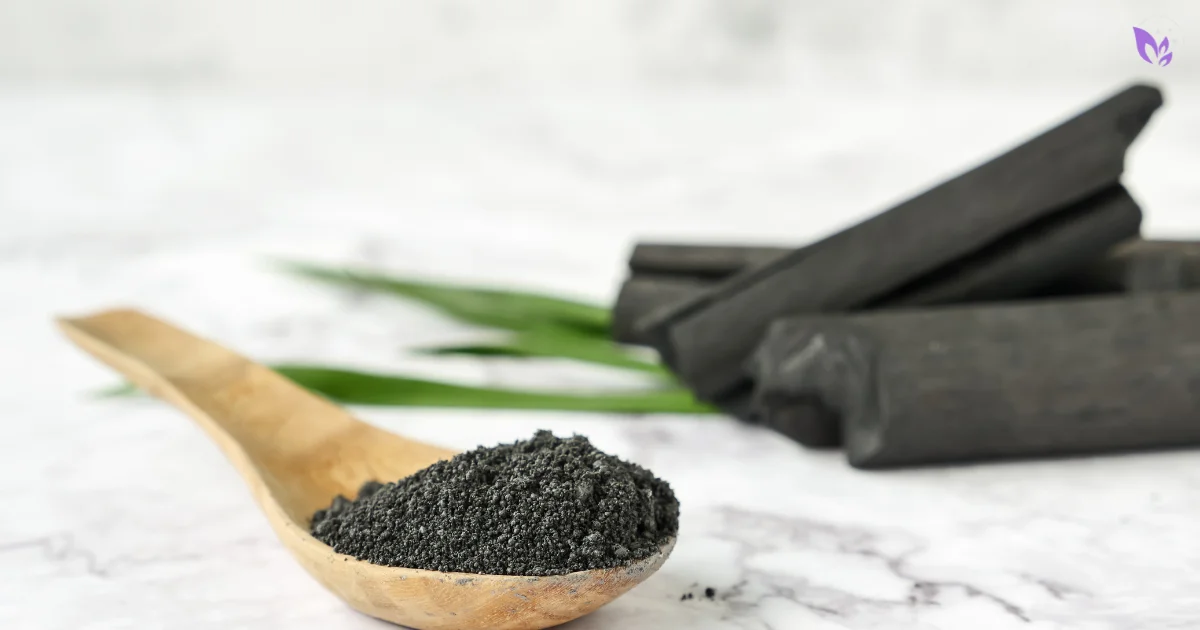
Some wellness users take activated charcoal capsules or powder during cleanse routines. In this context, it is often used as a binder to support normal digestive elimination.
The activated charcoal binder may be useful for people interested in digestive and cleanse-support routines, but it should be used responsibly. It should not be promoted as a treatment for parasites, infections, poisoning, stomach bugs, or chronic digestive disease.
Good digestive support also depends on hydration, fiber, balanced meals, regular bowel movements, and safe supplement timing.
Activated charcoal is not commonly recommended for stomach bugs caused by viruses, bacteria, or germs. It does not directly kill the pathogens that cause vomiting or diarrhea.
If symptoms include dehydration, blood in stool, severe stomach pain, high fever, or ongoing vomiting, medical help is important. Activated charcoal should not replace fluids, electrolytes, or professional care.
In poisoning situations, timing matters. Activated charcoal works best when given soon after exposure, often within the first hour. In some cases, a one to four-hour window may be considered depending on the toxic substance and whether it is a delayed-release drug.
Once the stomach or intestines have already absorbed toxic chemicals, activated charcoal may not help. For poisoning or overdose, do not wait. Contact emergency services or poison control immediately.
Activated charcoal may bind some drugs, chemicals, and herbs, but it does not work against every toxic substance.
It is generally not useful for corrosive chemicals, lye, alkalis, bases in cleaning products, strong acids, gasoline, petroleum products, boric acid, cyanide, lithium, alcohol, iron tablets, heavy metals like lead and silver, or electrolytes such as magnesium, potassium, and sodium.
This is why medical supervision is necessary in poisoning cases.
Some people should avoid activated charcoal unless a doctor says it is safe. This includes people with an unprotected airway, aspiration risk, serious breathing problems, or anyone who is barely awake and may need a breathing tube.
People with intestinal bleeding, intestinal perforation, slowed digestion, bowel blockage, severe constipation, recent laxative use, or recent digestive surgery should also be careful.
It may also be risky for people taking opioids or anticholinergics because these drugs can slow gut motility.
There is no official dietary recommendation for activated charcoal because it is not an essential nutrient. Medical dosing is different from supplement use and should only be handled by health professionals.
In emergency medical settings, single-dose activated charcoal may range from 25 to 100 grams for adults and teenagers, 25 to 50 grams for kids, and 10 to 25 grams for babies. Sometimes the dose is based on body weight.
Multiple-dose activated charcoal treatment may be used for certain slow-moving or delayed-release drugs. Medical protocols may include a first dose of 50 to 100 grams, followed by 12.5 grams every hour, 25 grams every two hours, or 50 grams every four hours. Children may receive 10 to 25 grams or 1 to 2 grams per kilogram, sometimes repeated every 2-4 hours.
These are medical references only, not self-dosing instructions.
Activated charcoal side effects may include black stools, black tongue, vomiting, diarrhea, constipation, stomach pain, stomach swelling, and dehydration.
More serious risks include bowel blockage, intestinal blockage, aspiration into the lungs, and serious breathing problems. Long-term daily use without medical guidance is not recommended.
The risks of activated charcoal increase when it is used incorrectly, taken too often, or combined with certain medications.
Activated charcoal drug interactions are important because it may reduce or prevent medication absorption. This can make some medicines less effective.
It may interfere with acetaminophen, aspirin, antipsychotics, antidepressants, birth control pills, digoxin, theophylline, laxatives, sorbitol, opioids, anticholinergics, and drugs used to treat constipation.
It may also bind vitamins, minerals, supplements, and natural supplements. Many people separate activated charcoal from other medications or supplements by at least two hours, unless a doctor gives different advice.
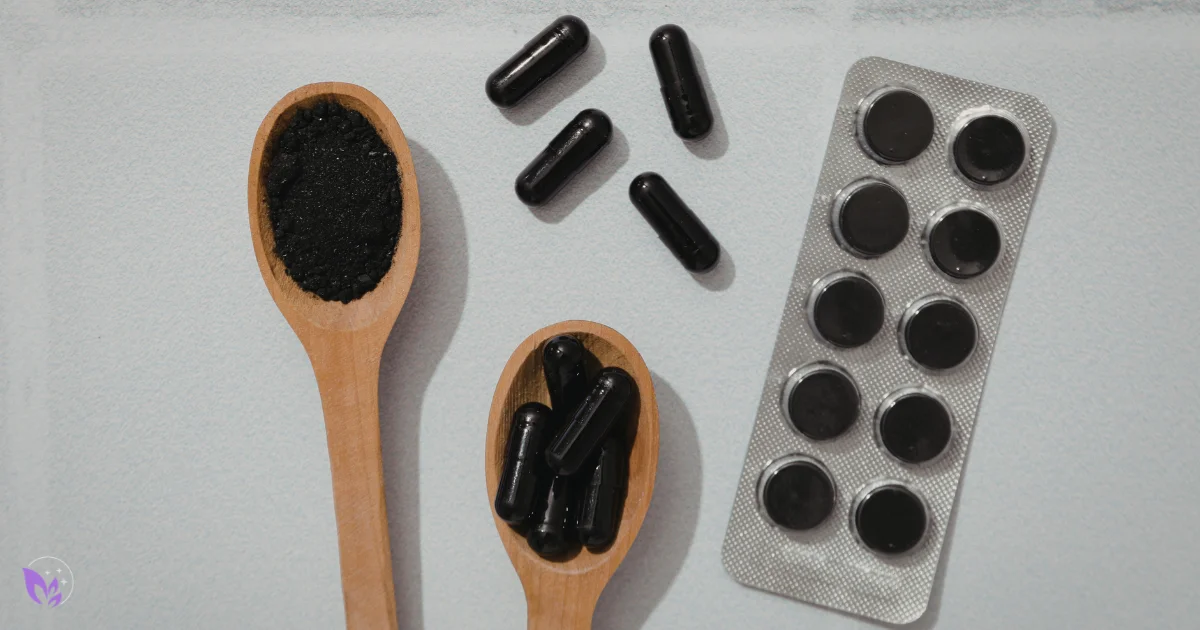
Dietary supplements are not regulated as closely as medications. In the United States, the FDA does not approve dietary supplements for safety and effectiveness before they are sold. This means supplement companies are responsible for making sure products are properly labeled and safe to use.
Before using activated charcoal capsules, pills, or powder, check the product label for serving size, source, warnings, and any unnecessary fillers. Products do not always have to be proven safe or effective before being sold, so careful label review matters.
Mahoney Supplements supports safe, informed supplement choices instead of exaggerated detox claims. It should be understood as a binder with specific limits, not a miracle cure.
When choosing activated charcoal products, look for a clean formula, clear serving size, transparent directions, and a high-quality source such as coconut shells.
Some people prefer capsules because they are simple to use, while others prefer powder depending on the product label. The activated charcoal binder is one option for people who prefer a capsule-based supplement for binder support.
Buyers in the USA, UK, and Canada should check ingredient transparency, supplement facts, serving size, safety warnings, shipping details, and product quality before purchasing activated charcoal supplements.
Avoid products that claim to cure disease, remove every toxin, treat poisoning at home, or replace medical care.
Activated charcoal is a black, odorless powder made from carbon-rich materials such as coconut shells, wood chips, coal, moss, or tree bark. It works through adsorption, in which certain toxins, chemicals, drugs, or herbs bind to the charcoal surface in the digestive tract.
Its strongest use is in emergency hospital treatment for certain drug overdoses and poisonings. OTC products also claim benefits for gas, bloating, diarrhea, hangovers, teeth whitening, skin conditions, and cleanse support, but evidence varies.
It may reduce medication absorption and should be used carefully around medications, vitamins, supplements, and natural supplements.
Mahoney Inter Supplements recommends understanding both the pros and cons of activated charcoal before using any supplement. Use it responsibly, follow product directions, and speak with a healthcare professional if you take medications or have health concerns.
Activated charcoal is a fine black, odorless powder made from carbon-rich plant sources such as coconut shells, wood chips, coal, moss, and tree bark. You cannot get it naturally from foods. It is a human-made dietary supplement, although some manufacturers may add it to foods or drinks.
It is used in medical settings for certain poisoning and overdose cases. It is also found in supplements, water filters, toothpaste, face wash, soap, odor absorbers, and skin care products.
It works through adsorption. Toxins, chemicals, drugs, or herbs cling to its surface inside the gut before the stomach and intestines absorb them.
The main benefits include medical uses for certain poison control and overdose treatments, potential support for gas and bloating, water filtration, and limited use in teeth and skin products.
Side effects may include black stools, black tongue, vomiting, diarrhea, constipation, stomach pain, dehydration, and bowel blockage.
People with an unprotected airway, aspiration risk, intestinal bleeding, intestinal perforation, slowed digestion, bowel blockage, severe constipation, or recent laxative use should avoid it unless advised by a doctor.
It may bind some drugs, chemicals, and herbs. It does not work well for acids, alkalis, alcohols, heavy metals, iron, lithium, potassium, lead, silver, magnesium, sodium, gasoline, petroleum products, boric acid, or cyanide.
Avoid taking it too close to medications, vitamins, supplements, natural supplements, minerals, or laxatives such as sorbitol. Spacing it at least 2 hours apart from other products may help reduce the risk of interaction.
It may help some people with occasional gas and bloating, but results vary. It does not cure hangovers. Claims about teeth whitening and skin health have limited evidence, and charcoal toothpaste may be abrasive.
No. Never self-administer activated charcoal for poisoning or drug overdose. Call emergency services, visit a hospital, or contact a poison control center.
Disclaimer: This article is for educational purposes only and does not replace professional medical advice.


Noor-ul-Ain is a Tech & SEO Content Writer with over 4 years of experience creating search-optimized content for digital platforms. She specializes in SaaS products, AI tools, SEO strategy, and product documentation, helping platforms turn complex features into clear, search-driven growth. Noor-ul-Ain has also written extensively on health science, sports, fitness, fashion, and beauty, focusing on informative and reader-friendly content.
Yes, you can take zinc and iron on the same day. Some multivitamins even contain both. Higher amounts of supplemental

Yes, taking too much zinc can cause copper deficiency. High doses of zinc, especially when taken for several weeks, can
Liquid trace minerals are a good choice if you prefer mixing supplements into water or have difficulty swallowing capsules. Capsules