
TNM Liver Support Ingredients Explained: Formula Breakdown, Benefits & Key Nutrients
When choosing a liver support supplement, the ingredient panel often tells you more than the front label. Understanding why each

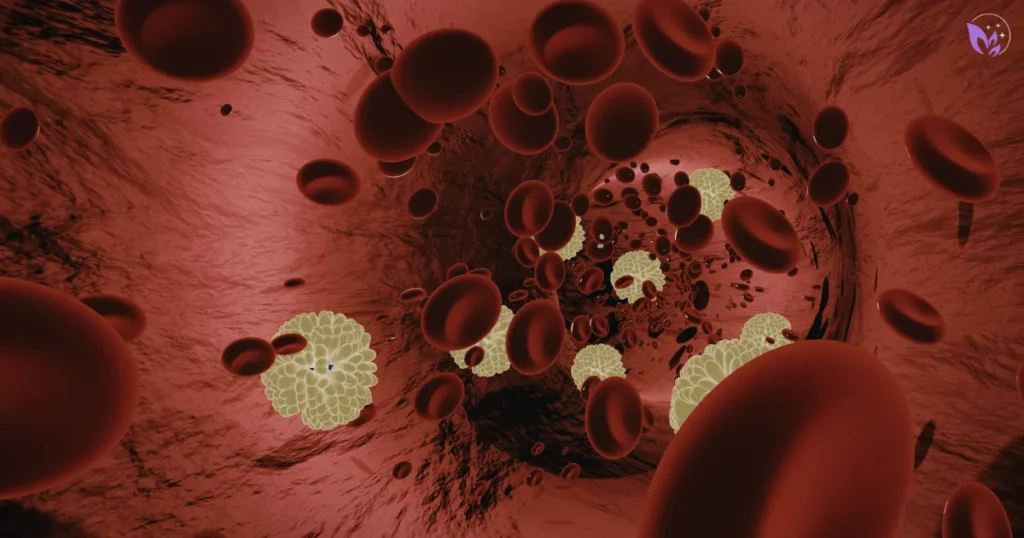
If you have been experiencing persistent digestive discomfort, unusual fatigue, or irregular bowel movements, you may have come across the term parasite cleanse diet. This dietary approach has gained attention across the USA, UK, and Canada as more people seek natural ways to support gut health. But before diving in, it is important to understand what this diet actually involves, what it can realistically do, and when professional medical care becomes essential.
A parasite cleanse diet, also called a parasite detox diet, is a structured eating plan designed to support digestive health by reducing foods that may promote harmful gut environments while increasing fibre, herbs, probiotics, and hydration. It is commonly used as a wellness tool rather than a clinical treatment.
A gut-supportive diet should be viewed as supportive wellness guidance, not a guaranteed treatment for parasitic infections. Anyone suspecting an active infection should always consult a qualified healthcare professional.
Many people search for ways to eliminate parasites naturally, but diet alone has not been proven to reliably treat parasitic infections. The effectiveness of any dietary approach depends heavily on the type of parasite involved. Some infections require prescription antiparasitic medication, and delaying proper diagnosis in favour of a DIY diet plan can lead to complications. Think of the parasite detox diet as a complement to medical care, not a replacement for it.
Intestinal parasites can reach the human body through several routes. The most common include:
Parasite symptoms can vary widely, but commonly reported signs include chronic diarrhoea, bloating, stomach pain, nausea, vomiting, unexplained weight loss, fatigue, irregular bowel movements, gas, loss of appetite, and anal itching.
Important: These symptoms can also be caused by IBS, food intolerances, bacterial infections, or other digestive conditions. Symptoms alone cannot confirm a parasitic infection; proper medical diagnosis is essential.
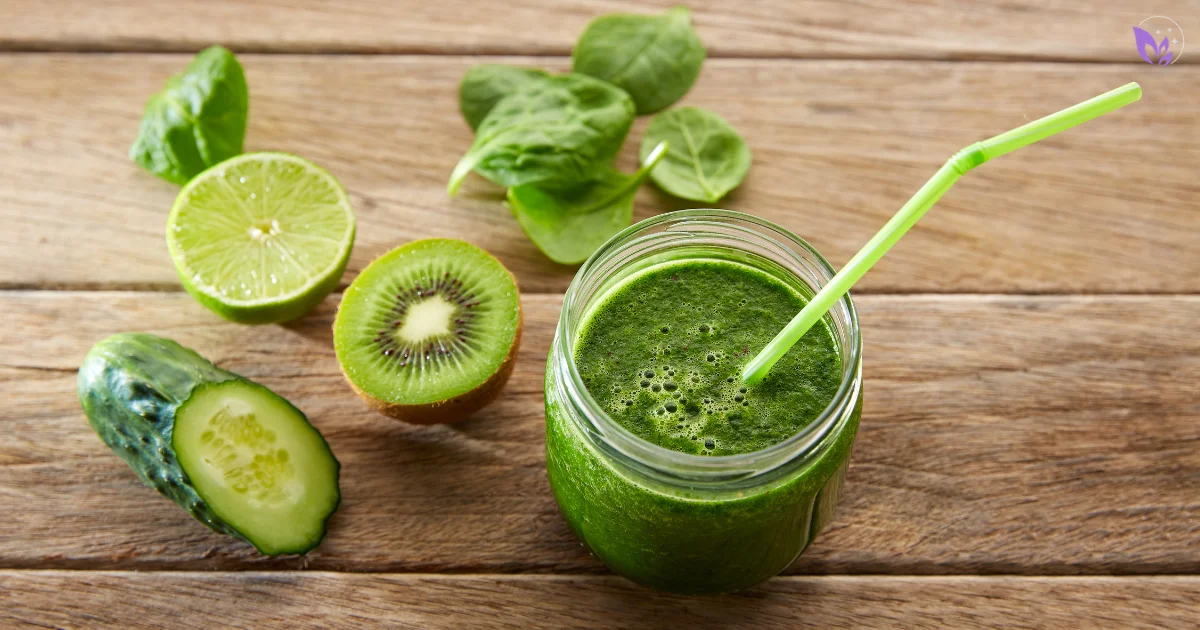
The parasite detox diet focuses on simple dietary changes that may help support overall gut health and create a less favourable environment for unwanted organisms. This approach usually includes:
A parasite detox food is usually followed for two to four weeks, but there is no medically standardised duration. It should be used as supportive wellness guidance, not as a replacement for medical diagnosis or treatment.
Choosing the right foods to eat on a parasite cleanse diet can make a meaningful difference to your digestive comfort. Focus on the following categories:
These foods may help cleanse your gut naturally, but they should not be seen as a guaranteed cure for parasites. Mahoney Inter Supplements offer targeted nutritional support products designed to complement a balanced, gut-friendly diet.
Just as important as what you eat is what you remove. Foods to avoid on a parasite cleanse diet include:
People following a natural parasite cleanse often report mixed experiences. Some notice improved energy and more regular digestion, while others see little change. Here is what is realistic to expect:
When followed thoughtfully, a gut health diet may support better digestion, reduce processed food intake, improve fibre consumption, encourage hydration, promote microbiome balance, and help build safer, more mindful eating habits. Many health-conscious individuals across the USA, UK, and Canada incorporate elements of this approach into their broader wellness routines, finding that cleaner eating alone delivers noticeable digestive benefits.
No dietary approach is without risks. Following an overly restrictive dietary cleanse approach may lead to nutrient deficiencies, dehydration, or disordered eating patterns. More seriously, it can create a false sense of security that delays a proper diagnosis. Herbal supplement interactions are also possible, particularly if you are taking prescription medications. Always speak with a healthcare professional before starting any restrictive dietary programme.
Diet is not a substitute for medical care. You should seek professional advice promptly if you experience any of the following:
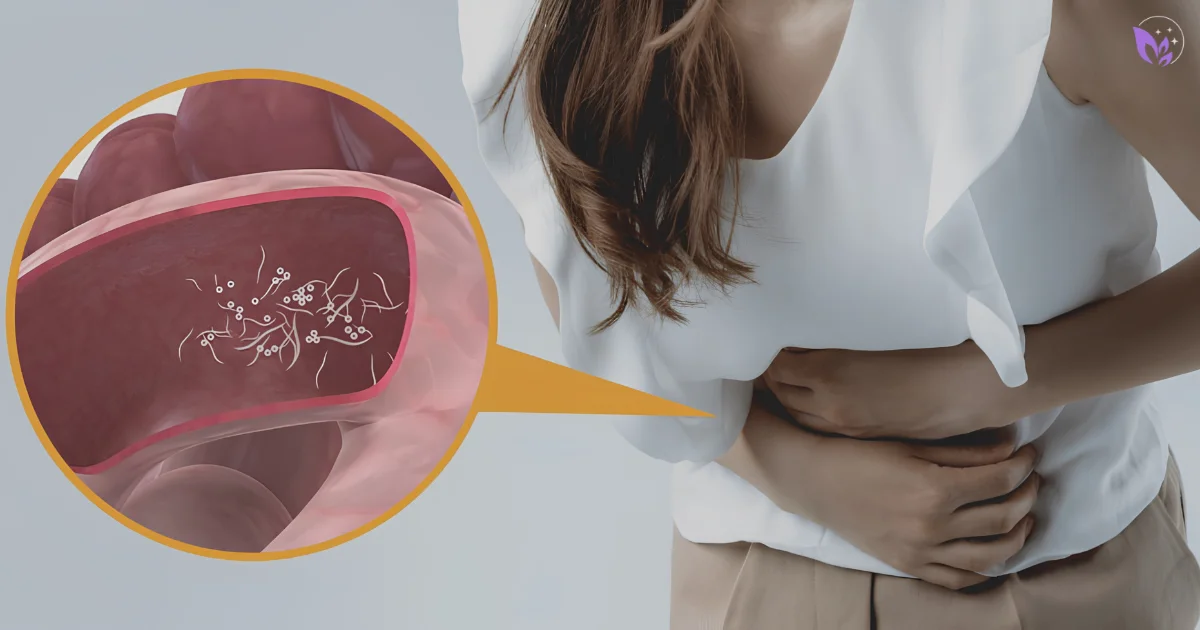
Although a parasite cleanse diet is often seen as a natural way to support gut health, it should be followed with care and realistic expectations. Healthy dietary changes may help improve digestion, support regular bowel movements, and promote overall wellness, but they should not be used as the only answer for ongoing parasite symptoms. If you notice persistent digestive discomfort, unexplained weight loss, fatigue, bloating, or irregular bowel movements, it is important to seek professional advice.
A healthcare provider can assess your symptoms, recommend appropriate tests, and guide appropriate treatment if a parasitic infection is confirmed. Dietary support and Mahoney Supplements may complement a balanced gut-friendly routine, but they should not replace medical diagnosis or prescribed care.
No. Diet alone has not been proven to kill or eliminate parasites. It may support gut health, but a confirmed infection usually requires proper medical diagnosis and treatment.
Garlic, ginger, pumpkin seeds, oregano, high-fibre vegetables, probiotic-rich foods, and adequate hydration are commonly used to support digestion and gut balance.
It is usually recommended to avoid sugary foods, processed foods, alcohol, excessive caffeine, raw or undercooked meat, raw seafood, and unfiltered water.
Many people follow a parasite cleanse diet for two to four weeks, but there is no standard medically approved duration. If symptoms continue, professional testing is recommended.
Yes, some people may experience temporary bloating, gas, fatigue, digestive discomfort, or changes in bowel movements, especially when increasing fibre quickly. Very restrictive cleanses may also increase the risk of nutrient deficiency or dehydration.
Children should not follow a parasite detox diet without medical guidance. If a child has symptoms such as persistent diarrhoea, stomach pain, weight loss, or fatigue, a healthcare professional should first evaluate the cause.
Herbal supplements should not replace a balanced diet or medical treatment. Some supplements may support general digestive wellness, but they are not proven substitutes for prescribed antiparasitic medication when an infection is confirmed.
Seek medical advice if you have persistent diarrhoea, blood in stool, severe stomach pain, unexplained weight loss, dehydration, fever, or symptoms after travelling to a high-risk region.
Some mild infections may resolve on their own, but many parasitic infections require medical treatment. It is better not to assume symptoms will disappear without a proper diagnosis.
Medical Disclaimer: This article is for informational purposes only and does not constitute medical advice. If you suspect a parasitic infection or experience persistent symptoms, please consult a qualified healthcare professional.


Noor-ul-Ain is a Tech & SEO Content Writer with over 4 years of experience creating search-optimized content for digital platforms. She specializes in SaaS products, AI tools, SEO strategy, and product documentation, helping platforms turn complex features into clear, search-driven growth. Noor-ul-Ain has also written extensively on health science, sports, fitness, fashion, and beauty, focusing on informative and reader-friendly content.
When choosing a liver support supplement, the ingredient panel often tells you more than the front label. Understanding why each
Collagen is one of the body’s main structural proteins, which is why collagen supplements have become popular for skin, joints,

Astaxanthin has gone from a little-known marine pigment to a familiar name in supplement discussions. But what exactly is it,