
Can You Take Zinc and Iron Together? Absorption, Timing & Safety
Yes, you can take zinc and iron on the same day. Some multivitamins even contain both. Higher amounts of supplemental


If you deal with stubborn breakouts around your jawline or chin, especially ones that flare up around your period, you are not imagining the connection. Hormonal acne is incredibly common in women, and for many, it feels like a cycle that never fully breaks. Cleansers and spot treatments only go so far when the root cause is happening inside your body.
That is exactly why so many women are looking beyond topical creams and turning toward natural hormonal support. One ingredient that keeps coming up in conversations around hormonal acne and skin health is DIM. Found naturally in cruciferous vegetables like broccoli and kale, DIM has attracted growing interest for its potential role in estrogen metabolism and hormonal balance.
Mahoney Inter shares educational information about DIM and hormone-support supplements to help you make informed decisions about your wellness routine. This article walks through what DIM is, what the research actually says, and what you should realistically expect.
DIM stands for diindolylmethane. Your body produces it when digesting indole-3-carbinol (I3C), a compound found in cruciferous vegetables like broccoli, cabbage, and kale.
You get small amounts of DIM from food daily. Still, supplements offer a concentrated dose, making it easier to reach amounts studied for hormonal support without eating large quantities of vegetables.
Women have become particularly interested in DIM for its relationship with estrogen metabolism, which may influence skin health, energy, and cycle regularity. Research is still evolving, and DIM is not a regulated treatment for any condition.
Hormonal acne follows a pattern. It tends to appear on the jawline, chin, and lower cheeks — often arriving predictably before your period. That timing is not a coincidence.
Throughout your menstrual cycle, estrogen, progesterone, and androgens shift constantly. When androgen activity rises, your sebaceous glands overproduce oil. That oil, mixed with dead skin cells and bacteria, clogs pores and triggers breakouts.
Inflammation deepens the problem, creating the red, painful, under-the-skin type of acne. Stress hormones like cortisol can worsen it by further amplifying androgen activity.
Estrogen breaks down into different metabolites, and some are considered more favorable than others. Research suggests DIM may encourage production of 2-hydroxyestrone, a gentler metabolite over stronger, potentially more problematic ones.
DIM may also interact with aromatase, the enzyme that converts androgens into estrogen. By influencing this conversion, it could theoretically help moderate both androgen and estrogen levels, the two key hormonal drivers of acne.
These are proposed mechanisms based on early research. DIM does not “fix” hormones as a prescription medication does, but the pathways it may influence are genuinely relevant to hormonal acne.
Related: DIM and Estrogen Metabolism
The honest answer lies between promise and uncertainty. Research specifically on DIM for acne is limited; most studies focus on estrogen metabolism or inflammatory pathways rather than skin outcomes directly.
Many women report clearer skin after using DIM consistently for several weeks, and hormonal health communities are full of positive accounts. But anecdotal reports are not clinical evidence, and individual results vary significantly.
DIM may support the hormonal environment that contributes to clearer skin, but it is not a guaranteed fix. It is worth discussing with your healthcare provider as part of a broader approach.
Studies on diindolylmethane suggest it may shift estrogen metabolism toward less potent metabolites, primarily in the context of hormonal cancers, not acne specifically.
Separate findings suggest that DIM may have anti-inflammatory properties and could modulate androgen receptor activity, both of which are relevant to acne. But most of this comes from lab and animal studies, not human clinical trials targeting skin.
The science is directionally supportive but not yet conclusive. Anyone claiming DIM is a “cure” for hormonal acne is getting ahead of the evidence.
DIM is not fast-acting. It works gradually through shifts in hormonal metabolism. Most people who see results notice changes after four to eight weeks of consistent daily use; some need three months or more.
Your timeline depends on your hormone baseline, diet, sleep, stress levels, and consistency. DIM works best as part of a lifestyle that supports overall hormonal balance.
Some temporary skin fluctuations in the first few weeks are normal. Give it eight to twelve weeks before concluding, ideally with guidance from a healthcare provider.
You can get DIM from food, and you should eat cruciferous vegetables regardless of whether you take a supplement, because they offer a wide range of health benefits beyond DIM alone.
Natural food sources of DIM include:
The challenge is quantity. To get the amount of DIM typically used in research, often 100mg to 300mg, you would need to eat very large quantities of these vegetables every single day. That is not realistic for most people.
DIM supplements offer a concentrated, standardized dose without the volume of food required. They are not a replacement for a vegetable-rich diet, but for those specifically looking to support estrogen metabolism, supplements offer a more practical way to reach therapeutic levels.
DIM is generally well-tolerated, but it is not without potential side effects — especially at higher doses. Being informed about these possibilities matters.
Commonly reported side effects include:
Many of these effects are mild and temporary, often settling as your body adjusts. However, because DIM does influence hormonal pathways, it can have real effects on your body, which is exactly why medical guidance matters. Supplements affect people differently depending on their hormonal baseline, medications they take, and underlying health conditions. Speaking with a healthcare provider before starting DIM is a genuinely good idea, not just a legal disclaimer.
DIM is not appropriate for everyone. There are specific groups who should avoid it or use it only with direct medical supervision.
If you fall into any of these categories, the right move is to have an honest conversation with your healthcare provider before starting DIM. This is not about fear; it is about making decisions appropriate to your specific situation.

If you have decided to try DIM, ideally with your doctor’s input, here are some practical guidelines to help you get the most out of it safely.
Mahoney Inter Supplements encourages informed supplement decisions and balanced wellness habits. A supplement works best when it is one piece of a thoughtful overall approach.
Hormonal acne is stubborn because it starts from the inside. If your breakouts follow a hormonal pattern, it makes sense to address what is driving them beneath the surface.
DIM for hormonal acne is a promising area of interest, but not a miracle. The research is directionally supportive, many women find it helpful, and the mechanisms are plausible. Still, results vary, and DIM works best when combined with good habits and proper medical guidance.
Talk to your healthcare provider, set realistic expectations, and give it adequate time. Hormonal health improves gradually, and patient, informed steps tend to get you further.
DIM may help support the hormonal environment that contributes to acne, particularly by influencing estrogen metabolism and androgen activity. However, research specifically on DIM and acne is still limited. Many women report improvements with consistent use, but results vary and are not guaranteed.
Most people who see results from DIM report noticing changes after four to eight weeks of daily use. Some require three months or longer. Consistency, diet, sleep, and stress management all influence how quickly or noticeably DIM may produce results.
Some people do experience temporary skin changes during the first few weeks of using DIM. This may be related to initial hormonal shifts as your body adjusts. This does not mean DIM is making things worse in the long term, but give it adequate time and consult your provider if changes are significant.
For most healthy adults, DIM at recommended doses is generally considered safe for daily use. However, individual responses vary, and anyone with hormone-sensitive conditions or on related medications should consult a doctor first. Long-term high-dose use has not been extensively studied.
Potentially, yes. DIM may influence how the body processes hormones, and some women report changes in their cycle while using it. If you are using hormonal contraception, it is worth discussing DIM with your healthcare provider before starting to ensure there are no relevant interactions for your specific situation.
DIM is found in cruciferous vegetables, including broccoli, broccoli sprouts, Brussels sprouts, kale, cabbage, cauliflower, and bok choy. Getting therapeutic amounts from food alone requires very large daily quantities, which is why concentrated supplements are often used by people seeking specific hormonal support.
Disclaimer: This article is for informational and educational purposes only and should not be considered medical advice. Always consult a qualified healthcare provider before starting any supplement, especially if you are pregnant, breastfeeding, taking medications, or managing a medical condition.


Noor-ul-Ain is a Tech & SEO Content Writer with over 4 years of experience creating search-optimized content for digital platforms. She specializes in SaaS products, AI tools, SEO strategy, and product documentation, helping platforms turn complex features into clear, search-driven growth. Noor-ul-Ain has also written extensively on health science, sports, fitness, fashion, and beauty, focusing on informative and reader-friendly content.
Yes, you can take zinc and iron on the same day. Some multivitamins even contain both. Higher amounts of supplemental
Yes, taking too much zinc can cause copper deficiency. High doses of zinc, especially when taken for several weeks, can
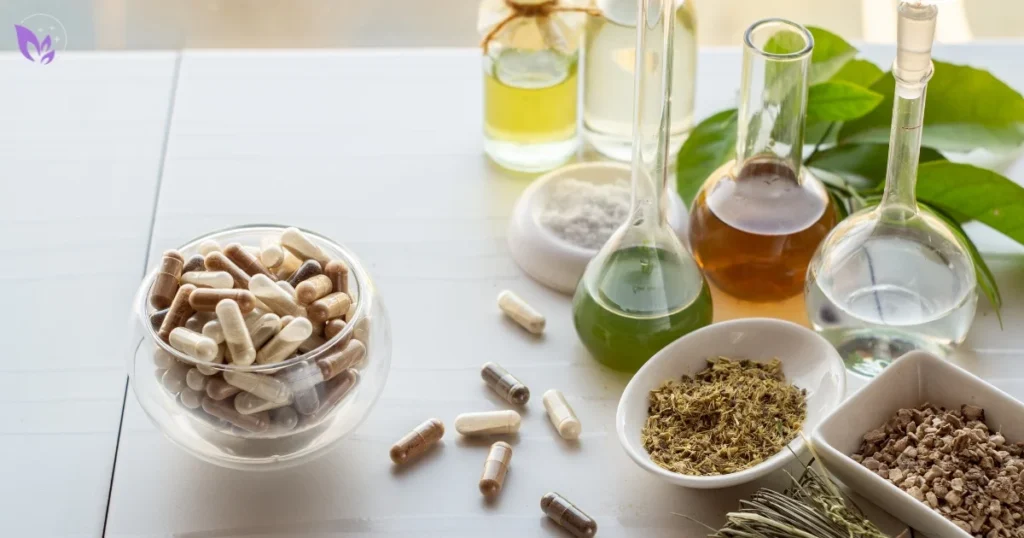
Liquid trace minerals are a good choice if you prefer mixing supplements into water or have difficulty swallowing capsules. Capsules