
NAC vs Glutathione: Which Is Better for Antioxidant Support?
When comparing NAC vs glutathione, it is easy to assume they are interchangeable. They are closely connected, but they are


More people are searching for a parasite cleanse than ever before. Bloating that will not quit, unexplained fatigue, irregular digestion, and intense sugar cravings can prompt people to look for answers quickly, and a natural parasite cleanse often appears in that search.
But trending does not mean risk-free. Before you start any cleanse routine, it is important to understand what it actually involves, how it may relate to gut health, what side effects are possible, which diet choices matter, and when medical testing is the safer next step. This guide covers all of that, including where a supplement like Paragon Cleanse may fit into a responsible wellness routine.
Medical Disclaimer: This article is for educational purposes only and does not diagnose, treat, cure, or prevent any disease. If you suspect a parasite infection or have ongoing digestive symptoms, speak with a qualified healthcare professional before using any cleanse supplement.
A parasite cleanse is a wellness routine, not a medical treatment. It usually combines herbal supplements, dietary changes, increased fiber intake, improved hydration, and sometimes optional binder support. The goal is generally to support digestion, bowel regularity, and a healthier gut environment.
A human parasite cleanse does not replace laboratory testing or prescription medication. If a doctor confirms a parasite infection, the standard approach may include specific antiparasitic or other prescribed medication depending on the type of infection. A natural parasite cleanse is better understood as digestive cleanse support: a structured routine that may encourage better food choices, hydration, and gut-supportive habits.
Anyone with serious, persistent, or worsening symptoms should seek medical advice before starting any supplement routine.
Parasite cleanses are not a new idea. They often become popular again when social media users share dramatic claims about bloating, stool changes, or “worms” seen after a cleanse. But stool changes do not automatically mean parasites are leaving the body. Stringy or unusual-looking material in stool can come from fiber, vegetables, mucus, undigested food, or changes in bowel habits.
Some herbs used in parasite cleanse supplements have traditional use and early research interest, but that does not mean they are proven to remove parasites in humans. Human evidence remains limited, and there is no compelling reason to replace a proper diagnosis with a self-directed cleanse.
Another important point is supplement regulation. In the United States, dietary supplements are not approved by the FDA for safety and effectiveness before they are sold. This means quality, strength, ingredient accuracy, and dosage can vary between products.
That does not mean every supplement is unsafe. Still, it does mean shoppers should read labels carefully, avoid mixing several cleanse products at once, and choose brands like Mahoney Inter Supplements that provide clear ingredient information and responsible directions.
The honest answer is: possibly, but not in the way many people assume.
When someone follows a parasite cleanse and feels better, the improvement may come from lifestyle changes rather than parasite removal. People often eat fewer processed foods, drink more water, reduce alcohol intake, increase fiber intake, and take probiotics. These changes can support digestion, bowel regularity, and the gut microbiome on their own.
A gut health cleanse that reduces junk food and adds real vegetables may improve how your digestive system feels. That is useful, but it does not prove parasites were present. It also does not confirm that a cleanse removed them.
If you approach a natural parasite cleanse as a way to build better habits around eating, hydration, and digestive wellness, you are more likely to benefit from it safely.
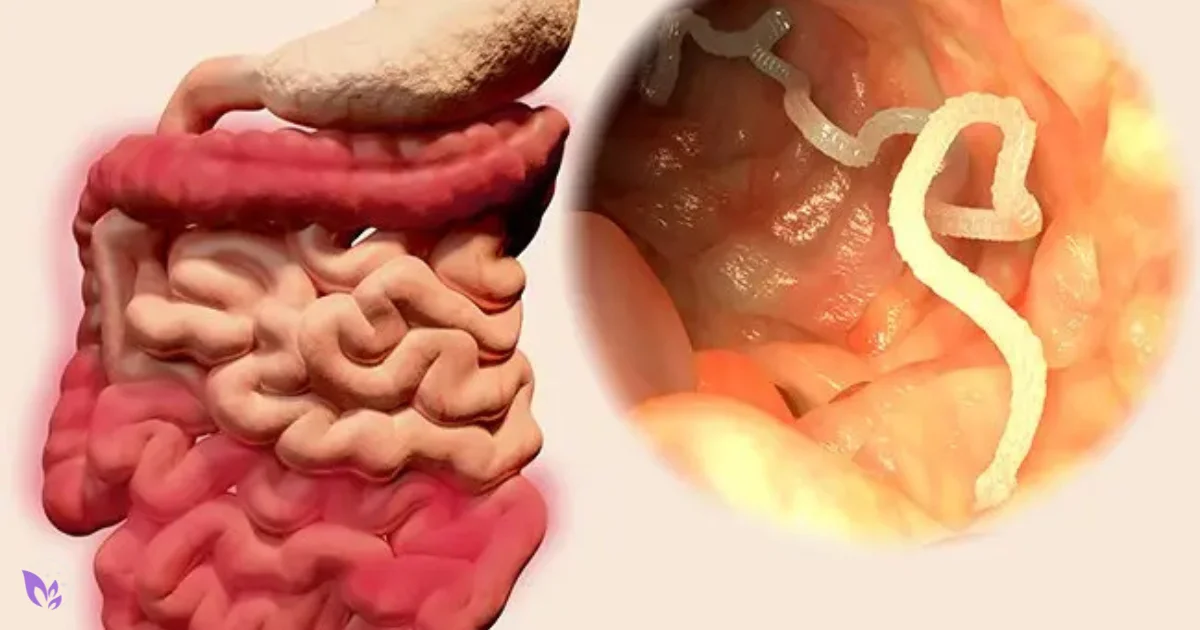
Bloating, gas, constipation, loose stools, fatigue, and sugar cravings are common. They can also result from many causes unrelated to parasites.
Poor diet, chronic stress, dehydration, food intolerances, constipation, irritable bowel syndrome, small intestinal bacterial overgrowth, medication use, or gut microbiome imbalance may all cause similar symptoms. Travel exposure, contaminated water, or raw or undercooked foods can increase the risk of genuine parasite infection, but everyday digestive discomfort does not always mean infection.
This matters because fear-based health decisions can lead people to overuse supplements, ignore real digestive conditions, or delay proper testing. The goal should be awareness, not panic.
Parasite infections are more common in regions where clean water, sanitation, and food safety systems are limited. Some research estimates that 30 to 60 percent of these populations have parasites at some point in their lives, especially in tropical and subtropical areas.
However, this does not mean most people in the USA, UK, or Canada have parasites. In countries with stronger sanitation systems and safer food handling practices, parasitic infections can still occur. Still, they are more often linked to travel exposure, contaminated food or water, or specific risk factors.
That is why bloating, fatigue, constipation, or sugar cravings should not automatically be treated as signs of parasites. Proper testing is the safest way to know what is really going on.
Symptoms alone cannot confirm a parasite infection. Only proper testing can do that. Still, signs worth paying attention to include:
Parasite symptoms in adults often overlap with other digestive conditions. If several symptoms appear together, especially after travel or possible exposure to contaminated food or water, testing is the right next step, not guessing.
Side effects are possible, especially in the first week. Knowing what to expect can help you avoid pushing through symptoms that deserve attention.
Common side effects may include:
Parasite cleanse risks increase when people take strong supplements while eating very little, skip hydration, combine multiple products, or ignore label directions. Herb-drug interactions are also a concern. Some ingredients may not be suitable for people taking medication or managing chronic health conditions.
Do not start a parasite cleanse supplement without speaking to a healthcare professional first if you:
More is not better. A cautious, label-following routine is safer than mixing several cleanse products at once.
There is no official parasite cleanse diet, but the dietary habits that support gut health are well established.
Eat more of these:
Reduce these:
Hydration matters during any cleanse routine. If you increase fiber intake or use herbal supplements but do not drink enough fluids, constipation, headaches, and fatigue may worsen.
Most natural parasite cleanse supplements are built around herbs and nutrients traditionally used for gut and digestive support.
Wormwood, black walnut hull, and clove are commonly found in herbal cleanse formulas. Garlic and ginger are also often used in gut-support routines. Probiotics may help support beneficial bacteria, while fiber from foods such as flax, chia, oats, legumes, or psyllium can help maintain bowel regularity.
Nutrients such as zinc, selenium, and vitamin A also support normal immune and digestive function. However, “natural” does not always mean risk-free. Strong herbs, concentrated extracts, and high-dose formulas may cause side effects or interact with medications.
Related: 15 Natural Anti-Parasitic Herbs
Paragon Parasite Cleanse is a herbal digestive cleanse supplement designed for adults who want structured support alongside healthy lifestyle habits. It is not a medical treatment and should not replace diagnostic testing, prescription medication, or professional healthcare advice.
Used as directed alongside a fiber-rich diet, consistent hydration, reduced intake of processed foods, and adequate rest, Paragone Cleanse may fit into a broader digestive wellness routine. Mahoney Supplements focuses on transparent formulation and structured cleanse support for customers who want a responsible approach.
For people who prefer a more organized routine, Paragon Cleanse & Binder may be considered as a cleanse support option. Still, binder timing should be handled carefully, especially for anyone taking medication.
Some situations require medical input before starting any cleanse. Do not delay medical care if you notice:
Parasite testing may include stool analysis, blood work, or other tests depending on symptoms and exposure history. A healthcare provider can order the right tests and recommend appropriate treatment if needed.
A parasite cleanse may support healthier choices such as better food, more water, less sugar, and added fiber. Those changes can genuinely improve how your gut feels. But a cleanse is not a cure, and it is not a substitute for medical evaluation when symptoms are serious.
Use parasite cleanse supplements with realistic expectations, read labels carefully, stay hydrated, and pay attention to side effects. Paragon Cleanse can be a thoughtful addition to a structured digestive wellness routine when used as directed and approached with proper safety awareness.
Research on herbal parasite cleanses is limited. Some ingredients have traditional use or early research interest, but that does not prove they eliminate parasites in the human body. A cleanse should not replace medical testing or treatment for a confirmed infection.
It may support gut health indirectly by encouraging more fiber, better hydration, less sugar, fewer processed foods, and more probiotic-rich foods. These benefits do not prove that parasites were present.
Possible side effects include bloating, diarrhea, constipation, nausea, fatigue, headaches, dehydration, and medication interactions. Side effects may be more likely when people use strong herbs, high doses, or multiple products together.
Symptoms such as abdominal pain, persistent diarrhea, itching, unexplained weight loss, and stool changes can be clues, but they are not confirmation. A doctor may recommend stool testing, blood work, or other diagnostic tests.
Activated charcoal is optional and not suitable for everyone. It may interfere with medication or supplement absorption, so anyone taking medication should speak with a healthcare professional before using it.
No. Paragon Cleanse is a wellness supplement designed to support digestion. It does not diagnose, treat, cure, or prevent any medical condition and should not replace medical testing, prescription medication, or professional healthcare advice.


Noor-ul-Ain is a Tech & SEO Content Writer with over 4 years of experience creating search-optimized content for digital platforms. She specializes in SaaS products, AI tools, SEO strategy, and product documentation, helping platforms turn complex features into clear, search-driven growth. Noor-ul-Ain has also written extensively on health science, sports, fitness, fashion, and beauty, focusing on informative and reader-friendly content.
When comparing NAC vs glutathione, it is easy to assume they are interchangeable. They are closely connected, but they are

Nighttime teeth grinding may be noticed by a parent, partner, or dentist. This raises an important question: can parasites cause
When choosing supplements, most people focus on ingredients, dosage, and promised benefits. However, one important factor is often overlooked: how