
Stress and Gut Health: How Stress Affects Digestion Through the Gut-Brain Connection
Stress and gut health are closely connected. While stress is often considered something that affects the mind, it can also

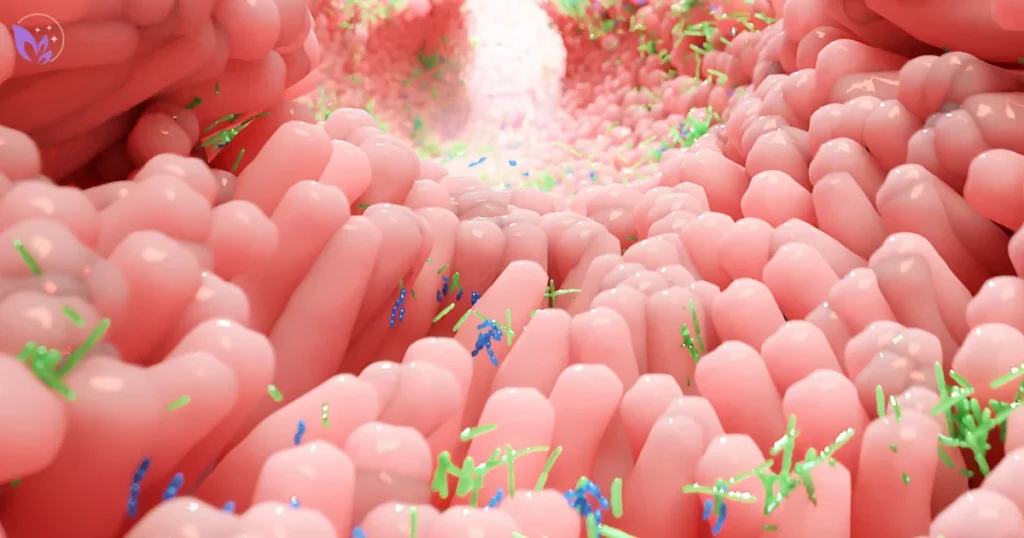
Your gut is home to a complex community of microorganisms that quietly influence many aspects of your health. Trillions of bacteria, along with smaller numbers of fungi and other microbes, live inside your digestive system and interact with the food you eat, your gut lining, and your immune system.
When most people hear the word “bacteria,” they immediately think about illness. However, the gut microbiome is much more complicated than simply good versus bad bacteria. Many microorganisms living in your gut are beneficial and play important roles in digestion, nutrient absorption, and maintaining a healthy internal environment.
The key factor is balance. A diverse, balanced gut microbiome supports normal body functions, while shifts in microbial balance may affect digestive comfort and overall wellness. Understanding how your gut bacteria work can help you make better choices to support long-term health.
The gut microbiome refers to the complete community of microorganisms that live inside your digestive tract, especially the large intestine. These microorganisms include bacteria, fungi, viruses, and other microscopic organisms that form a constantly changing ecosystem.
The human gut contains trillions of microbes, including:
Scientists continue to study these complex interactions to better understand how microorganisms influence human health and disease. A healthy gut microbiome is usually characterized by microbial diversity, meaning many different types of beneficial organisms coexist together.
For a deeper scientific understanding of the human microbiome, researchers can explore valuable NIH research on microorganisms and their interactions with the human body through the Human Microbiome Project.
People often describe bacteria as either “good” or “bad,” but the reality is more complex. Many microorganisms considered harmful can exist in small amounts without causing problems.
The key is maintaining a healthy balance of gut bacteria.
| Beneficial Gut Bacteria | When Gut Bacteria Become Imbalanced |
| Support normal digestion | May contribute to digestive discomfort |
| Help maintain microbial diversity | Certain organisms may grow excessively |
| Support a healthy gut environment | May affect overall gut function |
Good gut bacteria help maintain a stable environment by supporting digestion and microbial diversity. Problems usually occur when different factors disturb this balance and allow certain microbes to become more dominant.
This imbalance is sometimes called dysbiosis.
The gut microbiome affects several important areas of health, including digestion, immunity, and overall wellness.
One of the best-known roles of gut bacteria is breaking down certain components of food that the body cannot digest on its own.
Many beneficial bacteria help process dietary fiber and produce compounds that support normal digestive functions.
A balanced gut microbiome may help maintain:
A large portion of immune activity is connected with the digestive system.
The gut microbiome interacts with immune cells and helps maintain communication between the body and microorganisms living inside the digestive tract.
A healthy microbial environment supports the body’s natural defense systems.
Researchers often discuss the connection between the gut and brain through what is known as the gut-brain axis.
This communication pathway allows signals to move between the digestive system and the brain. This is one reason researchers continue studying the relationship between gut health, stress, and overall well-being.
The gut microbiome is connected with many daily functions, including digestion, nutrient availability, and maintaining a balanced internal environment.
As a result, supporting gut microbiome health has become an important part of many people’s wellness routines.
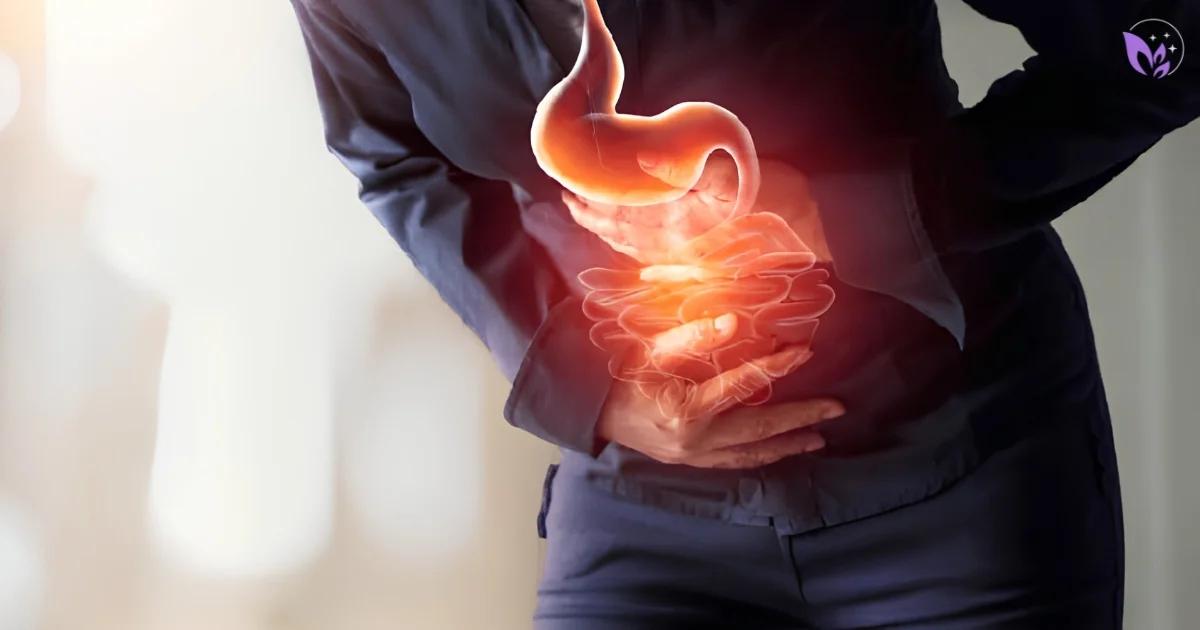
An unhealthy gut microbiome looks different for everyone. Different people may experience different signs depending on diet, lifestyle, and other factors.
Common signs of gut bacteria imbalance may include:
However, these symptoms can have many different causes. Occasional digestive issues do not automatically mean your gut microbiome is unhealthy.
If symptoms persist or are concerning, it’s best to speak with a healthcare professional.
Several daily habits and environmental factors can influence your gut microbiome. Factors such as diet, lifestyle choices, sleep patterns, and other influences may gradually shape the balance of microorganisms in your digestive system. Understanding these factors helps explain why maintaining healthy habits is important for digestive wellness.
Food choices play an important role in supporting healthy gut bacteria.
Factors that may influence microbial diversity include:
Fiber-rich foods provide fuel for many beneficial bacteria.
Daily lifestyle choices can also influence gut health.
Factors include:
Maintaining healthy lifestyle habits can help create a supportive environment for beneficial microorganisms.
Certain medications may influence the composition of gut bacteria.
For example, medications that affect bacteria broadly may temporarily change microbial balance.
One of the most effective ways to support your gut microbiome naturally is through a balanced diet.
Many beneficial gut bacteria use dietary fiber as a food source.
Examples include:
Eating a variety of plant foods can support microbial diversity.
Fermented foods contain naturally occurring microorganisms that may contribute to a diverse gut environment.
Examples include:
Supporting gut health is not only about food.
Other helpful habits include:
Small, consistent habits often create better long-term results than short-term extreme changes.
Improving your gut microbiome is a gradual process, not something that changes overnight.
Helpful approaches include:
The goal is not to remove all microorganisms from your body. The goal is to create conditions where beneficial bacteria can thrive.
Gut health involves many different factors working together, including digestion, diet, and microbial balance.
The gut microbiome plays an important role in maintaining digestive wellness, and many factors can influence the balance of microorganisms living in the digestive tract. For readers exploring the relationship between gut health and digestive support, understanding topics like parasite cleanse and gut health can provide additional context on how different wellness approaches are connected.
A balanced approach is important. Supporting overall gut wellness involves healthy nutrition, lifestyle habits, and informed choices rather than focusing on only one factor.
You can learn more about digestive wellness and related topics through our guide on parasite cleanses.

Building a healthier gut environment requires more than focusing on individual foods. Daily habits, nutrition choices, and lifestyle factors all contribute to digestive wellness. To learn more about the fundamentals of digestion and healthy gut practices, explore our guide on supporting digestive wellness.
Many people include nutrition strategies and supplement routines in their wellness approach. People often explore products such as Mahoney Supplements alongside balanced habits like eating fiber-rich foods, staying active, and maintaining healthy routines.
Combining multiple healthy choices is usually more meaningful than relying on a single change.
The gut microbiome is a complex ecosystem made up of trillions of microorganisms that influence digestion, immunity, and overall wellness.
Rather than thinking only in terms of good and bad bacteria, the most important factor is maintaining balance and diversity within your gut environment.
A healthy diet, regular movement, quality sleep, and sustainable lifestyle habits can support a healthier gut microbiome over time.
Understanding your gut bacteria is the first step toward making better choices for long-term digestive wellness.
The gut microbiome is the community of microorganisms living inside your digestive system, including bacteria, fungi, and other microbes that interact with your body.
Good bacteria are beneficial microorganisms that help maintain microbial diversity, support digestion, and contribute to a balanced gut environment.
Factors such as diet, stress, poor sleep, lifestyle habits, illness, and certain medications may influence gut bacteria balance.
You can support your gut microbiome by eating fiber-rich foods, including fermented foods, maintaining healthy lifestyle habits, and creating consistent routines.
There is no fixed timeline. Improvements depend on individual habits, diet, lifestyle, and overall health. Consistent changes over weeks or months are generally more meaningful than quick fixes.
Disclaimer: This article is for educational purposes only and is not intended to replace professional medical advice, diagnosis, or treatment. Always consult a qualified healthcare professional for personal health concerns.


Noor-ul-Ain is a Tech & SEO Content Writer with over 4 years of experience creating search-optimized content for digital platforms. She specializes in SaaS products, AI tools, SEO strategy, and product documentation, helping platforms turn complex features into clear, search-driven growth. Noor-ul-Ain has also written extensively on health science, sports, fitness, fashion, and beauty, focusing on informative and reader-friendly content.
Stress and gut health are closely connected. While stress is often considered something that affects the mind, it can also

If you follow a 16:8 schedule or another intermittent fasting routine, you may wonder whether your morning multivitamin, magnesium capsule,

Walk into any pharmacy or browse an online supplement store, and you will find countless products promising better wellness, improved