
How Mahoney Supplements Combines Herbs, Vitamins, and Minerals in One Formula
Choosing a supplement today is often more complicated than picking a single nutrient. Many modern formulas combine multiple ingredient categories,

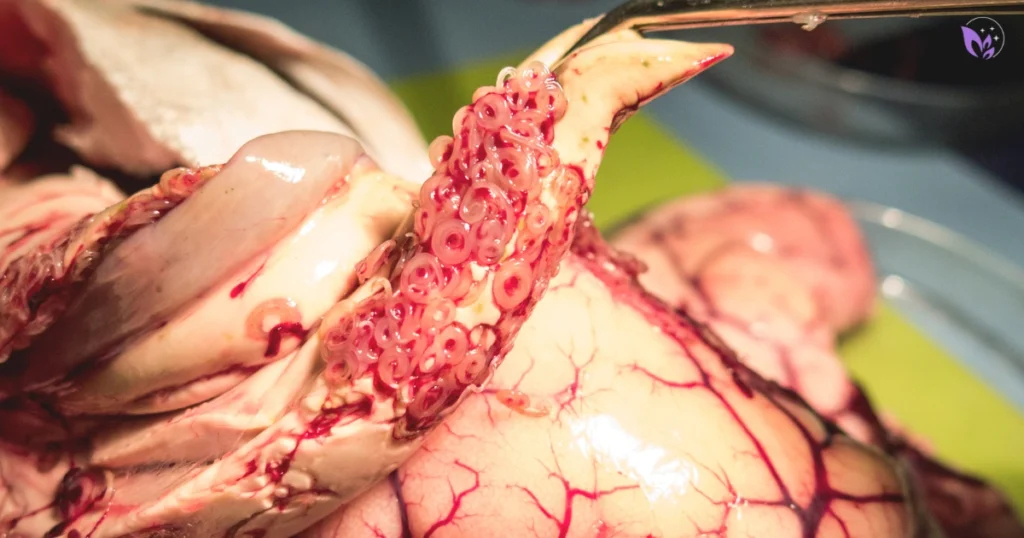
Yes, certain parasites can be transmitted through raw or undercooked pork, beef and wild game. However, the parasite involved and the level of risk depend on the type of meat, where it came from, and how it was prepared.
Not every undercooked bite causes an infection, but meat-borne parasites can lead to digestive symptoms and, in some cases, more serious complications. Understanding which parasites are associated with different meats, how symptoms may develop, and what cooking methods reduce the risk can help you make safer decisions.
Mahoney aims to share clear and practical wellness information that helps people make safer, more informed choices.
Several parasites are associated with raw or insufficiently cooked meat:
| Meat type | Main parasite concerns | Possible infection |
| Pork | Trichinella, pork tapeworm, Toxoplasma | Trichinellosis, taeniasis, toxoplasmosis |
| Beef | Beef tapeworm | Taeniasis |
| Bear and wild boar | Trichinella | Trichinellosis |
| Venison | Toxoplasma and other foodborne risks | Toxoplasmosis |
| Homemade game jerky | Trichinella if not properly cooked | Trichinellosis |
The presence of these parasites cannot usually be confirmed by looking at, smelling, or tasting the meat.
Parasites in undercooked pork may include Trichinella, pork tapeworm, and Toxoplasma. Modern commercial pork generally carries a lower Trichinella risk than it did historically, but no source of raw or undercooked pork should automatically be considered risk-free.
Feral swine, wild boar, and home-raised pigs may present a higher risk because their diet and environment are less controlled. Raw sausage, undercooked ground pork, and homemade cured pork products can also create exposure when the meat has not reached a safe internal temperature.
One important distinction involves pork tapeworm infection. Eating pork that contains viable Taenia solium larvae can cause an intestinal tapeworm infection known as taeniasis. However, cysticercosis does not usually result directly from eating undercooked pork. It develops after a person swallows tapeworm eggs, often through fecal-oral contamination or poor hand hygiene.
Infected raw or undercooked beef can transmit beef tapeworm. However, this does not mean every rare steak contains parasites. Infection can occur only when the meat already contains viable tapeworm larvae.
The safety of beef cannot be determined reliably by its color, smell, texture, or the appearance of its juices. A steak may remain pink after reaching a recommended temperature, while another piece may turn brown before it is fully cooked.
Ground beef requires a higher minimum internal temperature than whole cuts because grinding can distribute bacterial contamination throughout the meat. Although this distinction is especially relevant to bacteria, using the correct temperature also provides broader protection against foodborne hazards.
Bear meat is one of the most recognized sources of Trichinella exposure. Bears may acquire the parasite by eating infected animals, and the larvae can remain in their muscle tissue.
Bear meat should be handled carefully and cooked thoroughly. Rare or partially cooked bear meat, homemade bear jerky, and undercooked bear sausage can all present a risk.
Wild boar and feral pigs are not raised under the same controlled conditions as commercial livestock. They may consume infected animals, scraps, or carcasses, increasing the potential for Trichinella exposure.
Wild boar meat should therefore be treated as high-risk game and cooked to a verified internal temperature.
Venison can be associated with Toxoplasma and other foodborne hazards. The exact risk varies according to the animal, region, handling conditions, and preparation method.
Homemade jerky, sausage, smoking, drying, and curing are not automatically reliable ways to kill parasites. Some species of Trichinella found in wild game can also survive normal home freezing.
The symptoms after eating undercooked meat depend on the parasite involved. Some people develop noticeable illness, while others experience mild symptoms or no symptoms at all.

Digestive symptoms may begin within one or two days in some infections and can include:
Other symptoms can take days or weeks to develop:
Tapeworm infections may remain unnoticed for weeks or months. Because timelines differ between parasites, symptoms alone cannot confirm a diagnosis.
For a broader explanation of how these infections may present, read this guide to the symptoms of intestinal parasites.
Eating undercooked meat does not automatically mean that you have contracted a parasite. However, sensible monitoring is important.
Seek prompt medical attention if you develop a high fever, severe muscle pain, facial swelling, persistent vomiting or diarrhea, blood in the stool, dehydration, breathing problems, or neurological symptoms.
Pregnant people, young children, older adults, and people with weakened immune systems should seek advice sooner because some foodborne parasitic infections can cause more serious complications.
Freezing can kill certain parasites under controlled conditions, but it should not be treated as a universal safety method.
Some Trichinella species associated with wild game can survive normal freezing temperatures. Smoking, curing, salting,g and drying also do not consistently kill every parasite. Microwaving may leave cold areas where the required internal temperature is not reached.
Preventing trichinellosis from undercooked meat requires thorough cooking because freezing, curing, drying, or smoking may not kill all parasites.
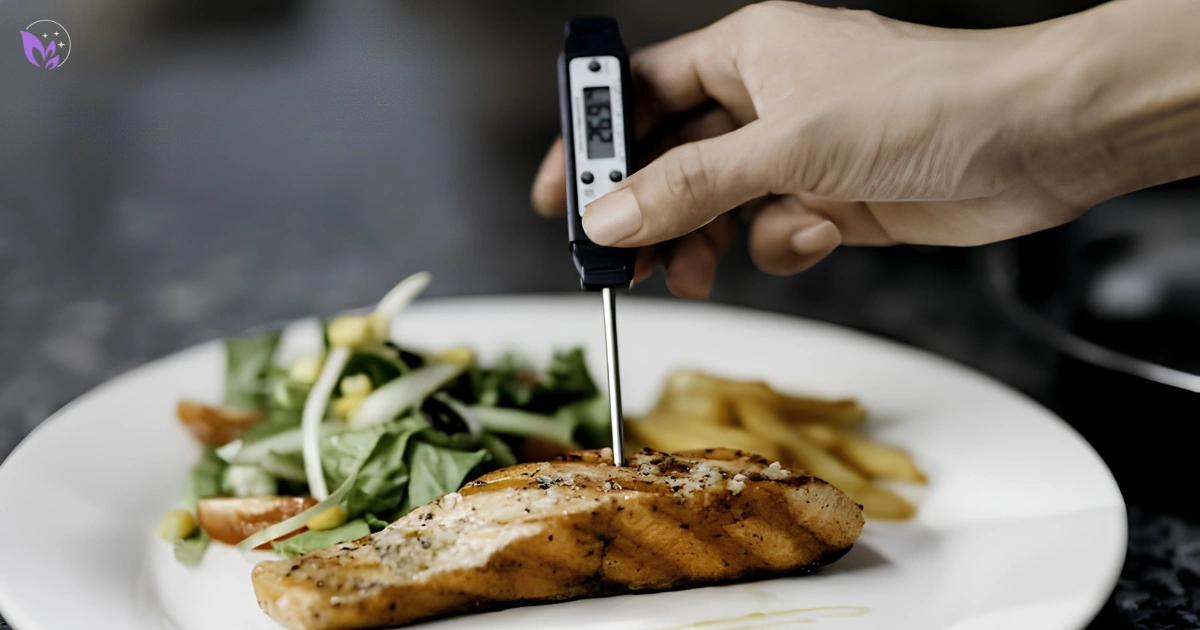
Thorough cooking, confirmed with a reliable food thermometer, remains the most dependable preventive step.
| Meat | Minimum internal temperature |
| Whole pork and beef steaks, chops and roasts | 145°F/63°C with a 3-minute rest |
| Ground beef and pork | 160°F/71°C |
| Poultry and game birds | 165°F/74°C |
| Bear, wild boar and other high-risk wild game | 165°F/74°C |
| Leftovers | 165°F/74°C |
Insert the food thermometer into the thickest part of the meat without touching bone. Do not rely only on color, texture, or clear juices.
These general figures follow current safe minimum internal cooking temperatures. Wild game recommendations may differ by animal and region, so species-specific local guidance should also be followed.
Diagnosis usually begins with a discussion of the meat eaten, its source, how it was cooked, and when symptoms started.
Depending on the suspected infection, testing may include:
Treatment depends on the parasite and the severity of the infection. There is no single treatment that works for every meat-borne parasite, and not every exposure requires medication.
Supplements and herbs should not replace diagnostic testing or prescribed treatment. Readers researching complementary approaches can review the evidence and safety of anti-parasitic herbs, but suspected foodborne infections require professional assessment.
You can reduce your risk by following these precautions:
Parasites can come from undercooked meat, but the exact risk differs between pork, beef and wild game. Pork may be linked to Trichinella, pork tapeworm, and Toxoplasma, while infected beef can transmit beef tapeworm. Bear and wild boar deserve particular caution because of their association with Trichinella.
Cooking meat to a verified internal temperature is the most reliable way to reduce the risk. If concerning symptoms develop after eating undercooked meat, professional diagnosis is safer than self-treatment or guesswork.
Yes. Infected undercooked pork may transmit Trichinella or pork tapeworm. The risk is generally lower in modern commercial pork but may be higher in wild boar, feral swine, and home-raised pork.
A rare steak can transmit beef tapeworm only if the meat already contains viable tapeworm larvae. Rare beef does not automatically contain parasites.
Wild game may carry Trichinella, Toxoplasma, and other foodborne parasites. Bear and wild boar are particularly important sources of Trichinella exposure.
The timeline varies. Some digestive symptoms may begin within one or two days, while fever, muscle pain, or swelling may take several weeks. Tapeworm infections can remain unnoticed for months.
No. Controlled freezing may kill some parasites in certain meats, but some Trichinella species found in wild game can survive normal home freezing.
Yes. If contaminated meat is dried without first reaching a safe internal temperature, viable parasites may remain. Drying or curing alone is not reliable protection.
Usually not. Many parasite larvae are microscopic or too small to identify reliably without laboratory testing.
Not without professional guidance. Antiparasitic treatment should be selected according to the suspected or confirmed infection, symptoms, and individual medical circumstances.


Noor-ul-Ain is a Tech & SEO Content Writer with over 4 years of experience creating search-optimized content for digital platforms. She specializes in SaaS products, AI tools, SEO strategy, and product documentation, helping platforms turn complex features into clear, search-driven growth. Noor-ul-Ain has also written extensively on health science, sports, fitness, fashion, and beauty, focusing on informative and reader-friendly content.
Choosing a supplement today is often more complicated than picking a single nutrient. Many modern formulas combine multiple ingredient categories,

Stress and gut health are closely connected. While stress is often considered something that affects the mind, it can also

Your gut is home to a complex community of microorganisms that quietly influence many aspects of your health. Trillions of