
What Foods Detox Heavy Metals: 20% Reduction in 6 Weeks
Feeling exhausted despite adequate rest? Brain fog, joint pain, and digestive issues may stem from heavy metal accumulation in your body. Industrial pollutants, contaminated water, and everyday food sources introduce toxic metals like mercury, lead, and cadmium into our systems. The good news: specific foods that detox heavy metals can naturally bind and eliminate these toxins through proven biochemical pathways, offering measurable health improvements within weeks.
Table of Contents
- Understanding Heavy Metal Detoxification Through Foods
- Key Detoxifying Foods and Their Mechanisms
- Dietary Prerequisites and What You Need Before Starting
- Step-By-Step Detox Guide Using Foods
- Foods to Avoid During Detox
- Common Mistakes and Troubleshooting
- Precautions and Warnings for Safe Detoxification
- Expected Results and Outcomes
- Explore Natural Detox Solutions With Mahoney Inter Supplements
- What Foods Detox Heavy Metals? FAQs
Key Takeaways
| Point | Details |
|---|---|
| Natural chelation works | Foods like cilantro and chlorella bind heavy metals, promoting elimination through digestive pathways. |
| Timing matters | Expect 15-25% metal reduction in 4-6 weeks with consistent dietary protocols. |
| Preparation is critical | Assess liver and kidney function, ensure hydration, and plan nutrient balance before starting. |
| Avoid counterproductive foods | Rice and shellfish can introduce more metals, undermining detox efforts. |
| Monitor your progress | Track symptoms and consider testing to verify metal levels are dropping safely. |
Understanding Heavy Metal Detoxification Through Foods
Your body faces constant exposure to heavy metals through air, water, and food. Understanding how dietary compounds counteract these toxins empowers you to make informed choices. Natural detoxification relies on multiple biochemical mechanisms working together.
Foods high in dietary fiber such as cilantro, garlic, and chlorella act as natural chelators by binding heavy metals and promoting their elimination through the digestive tract. These compounds prevent metal absorption in the gut and facilitate excretion before toxins reach your bloodstream.
Antioxidants protect your cells from oxidative damage caused by heavy metals. When metals accumulate, they generate free radicals that harm cellular structures. Vitamin C, vitamin E, and polyphenols neutralize these harmful molecules, reducing inflammation and tissue damage during the detoxification process.
Your liver depends on specific nutrient cofactors to metabolize toxins effectively. Sulfur compounds from garlic and onions boost glutathione production, your body’s master antioxidant. Glutathione binds to heavy metals in liver cells, transforming them into water-soluble forms that kidneys can eliminate through urine.
Dietary fiber plays a dual role in heavy metal removal:
- Binds metals in the intestinal tract, preventing reabsorption
- Promotes regular bowel movements, accelerating toxin elimination
- Supports beneficial gut bacteria that aid detoxification pathways
- Reduces transit time, limiting metal contact with intestinal walls
The Chelation Therapy Using Natural Products review demonstrates how plant-based compounds create stable complexes with toxic metals, rendering them inactive and facilitating excretion. This natural approach offers a gentler alternative to pharmaceutical chelation, with fewer side effects when implemented correctly.
Key Detoxifying Foods and Their Mechanisms
Specific foods demonstrate remarkable heavy metal binding capacity through unique phytochemical profiles. Scientific research validates their effectiveness, giving you confidence in these natural interventions.
Cilantro contains compounds that cross the blood-brain barrier, mobilizing mercury and lead from tissues. Cilantro supplementation reduced lead and mercury levels significantly in a clinical study over 3 months. Its chelating action works best when paired with binders that capture mobilized metals before they redistribute to other tissues.
Chlorella, a freshwater algae, features a tough cell wall that binds cadmium, uranium, and lead. The polysaccharides in chlorella create a net-like structure trapping metals in the digestive tract. Taking 4-6 grams daily provides substantial chelation support without overwhelming your elimination pathways.
Garlic’s sulfur-rich compounds drive glutathione synthesis in liver cells. Sulfur compounds in garlic increased liver glutathione levels by 25% within two weeks of supplementation. This boost enhances phase II detoxification, where metals conjugate to glutathione for elimination through bile and urine.

Vitamin C-rich foods like citrus fruits, bell peppers, and strawberries increase urinary excretion of lead and cadmium. Ascorbic acid acidifies urine slightly, promoting metal solubility and kidney clearance. Consuming 500-1000mg daily through whole foods supports this pathway without causing digestive upset.
Antioxidant powerhouses protect against metal-induced oxidative stress:
- Turmeric’s curcumin reduces inflammation and supports liver enzyme activity
- Blueberries provide anthocyanins that cross the blood-brain barrier, protecting neural tissue
- Green tea catechins bind metals while delivering protective polyphenols
- Brazil nuts supply selenium, a cofactor for glutathione peroxidase enzymes
Combining cilantro with chlorella creates synergistic effects. Cilantro mobilizes metals from tissues, while chlorella binds them in the gut, preventing reabsorption. This partnership ensures metals move steadily out of your body rather than redistributing to sensitive organs.
Dietary Prerequisites and What You Need Before Starting
Jumping into detoxification without preparation invites trouble. Your body needs specific conditions to eliminate metals safely and effectively. Assess these factors before modifying your diet.
Hydration drives kidney function and metal elimination. Aim for half your body weight in ounces of clean, filtered water daily. Dehydration concentrates metals in tissues and slows urinary excretion, potentially causing toxin buildup during detox efforts.
Vitamin and mineral status determines detox capacity. Deficiencies in vitamin C, vitamin E, zinc, or magnesium compromise your body’s ability to neutralize oxidative stress. Consider a baseline nutrient panel to identify gaps that need correction before starting aggressive detoxification.
Liver and kidney function must be adequate to process and eliminate mobilized metals. If you have existing liver disease, kidney impairment, or take medications metabolized by these organs, consult your healthcare provider before proceeding. Blood tests measuring creatinine, ALT, and AST provide baseline organ function data.
Access to diverse, organic produce ensures consistent intake of chelating compounds:
- Fresh cilantro and parsley from reliable sources
- Quality chlorella supplements from reputable manufacturers
- Organic garlic, onions, and cruciferous vegetables
- Seasonal berries and citrus fruits for antioxidant support
Understanding symptom monitoring helps you recognize detox reactions versus adverse effects. Mild fatigue, headaches, or digestive changes may indicate mobilization. Severe symptoms like neurological changes, intense pain, or allergic reactions require immediate medical attention.
Pro Tip: Start a symptom journal before beginning detoxification. Track energy levels, digestive function, mental clarity, and physical symptoms daily. This baseline comparison reveals whether your protocol helps or harms, allowing timely adjustments.
The role of detoxification guide explains how proper preparation prevents common pitfalls. For additional context on supporting your body’s natural elimination systems, explore what helps with detoxing to understand complementary lifestyle factors.
Step-by-Step Detox Guide Using Foods
Implementing a food-based heavy metal detox requires gradual introduction and careful monitoring. This phased approach minimizes redistribution risks while maximizing elimination efficiency.
Phase 1: Foundation (Week 1-2)
- Start with low doses of cilantro and chlorella to assess tolerance. Begin with 1/4 teaspoon fresh cilantro in smoothies and 1 gram chlorella tablets daily.
- Increase water intake to support kidney function. Add an extra 16-32 ounces beyond your baseline hydration.
- Introduce one clove of raw garlic daily, minced and added to meals after cooking to preserve sulfur compounds.
Phase 2: Building Momentum (Week 3-4)
- Gradually increase cilantro to 1 teaspoon and chlorella to 3-4 grams daily, divided into two doses.
- Add vitamin C-rich foods at each meal. Include bell peppers, citrus fruits, or strawberries totaling 500-750mg daily.
- Incorporate antioxidant-rich foods like turmeric (1 teaspoon with black pepper) and a handful of blueberries or mixed berries.
Phase 3: Full Protocol (Week 5-6)
- Maintain cilantro at 1-2 teaspoons and chlorella at 4-6 grams daily.
- Add cruciferous vegetables (broccoli, Brussels sprouts, kale) 3-4 times weekly to support liver detoxification.
- Include Brazil nuts (2-3 daily) for selenium and additional green tea (2-3 cups) for catechin support.
- Monitor symptoms and adjust portions if experiencing excessive detox reactions.
Chlorella supplementation combined with chelating food intake showed a synergistic effect in reducing cadmium and lead levels by approximately 18% over 8 weeks. This validates the phased approach with combined chelators and binders.
| Food | Primary Metals Targeted | Mechanism | Daily Amount |
|---|---|---|---|
| Cilantro | Mercury, Lead | Mobilizes from tissues | 1-2 tsp fresh |
| Chlorella | Cadmium, Lead, Uranium | Binds in gut | 4-6 grams |
| Garlic | All metals | Boosts glutathione | 1-2 cloves |
| Vitamin C foods | Lead, Cadmium | Increases urinary excretion | 500-1000mg |
Pro Tip: Take chlorella 30 minutes before cilantro consumption. This ensures binders are present in your digestive tract when cilantro mobilizes metals from tissues, preventing redistribution to other organs.
For comprehensive guidance on implementing these steps safely, review the step-by-step detox guide. Additional support on natural approaches can be found in our natural heavy metal detox foods resource.
Foods to Avoid During Detox
Certain foods introduce additional heavy metals or interfere with elimination pathways, undermining your detox efforts. Identifying and avoiding these items protects your progress.
Rice consumption was linked to arsenic exposure levels exceeding 10 µg/L in urine in multiple population studies. Rice accumulates arsenic from soil and water during cultivation. White rice contains less than brown rice, but limiting all rice varieties during active detoxification prevents counterproductive arsenic intake.
Shellfish and large predatory fish accumulate mercury and other metals through bioaccumulation. Swordfish, tuna, and king mackerel contain concerning mercury levels. Shellfish filter heavy metals from contaminated waters. Replace these protein sources with wild-caught smaller fish like sardines or plant-based proteins during your detox period.
Processed foods contain additives and preservatives that burden liver detoxification pathways:
- Artificial colors and flavors require hepatic processing
- Hydrogenated oils create oxidative stress
- High fructose corn syrup impairs glutathione synthesis
- Sodium nitrites and nitrates compete with detox enzyme systems
Alcohol stresses liver function and depletes glutathione reserves. Even moderate consumption diverts liver resources from metal processing to alcohol metabolism. Eliminate alcohol completely during active detoxification phases.
Caffeine in excess stimulates cortisol production and can interfere with mineral absorption. While moderate green tea consumption benefits detox through catechins, high doses of coffee may deplete magnesium and B vitamins needed for phase II conjugation. Limit caffeine to 100-200mg daily from beneficial sources like green tea.
Avoiding these counterproductive foods creates a cleaner foundation for your detox protocol, ensuring dietary efforts support rather than hinder metal elimination.
Common Mistakes and Troubleshooting
Self-directed detoxification attempts often fail due to predictable errors. Recognizing these pitfalls helps you avoid setbacks and maintain safe progress.
Up to 30% of self-directed detox participants reported worsening symptoms due to improper diet balance. Focusing exclusively on chelating foods while neglecting protein, healthy fats, and diverse vegetables creates nutrient deficiencies. Your body needs complete nutrition to support detoxification enzymes and repair damaged tissues.
Overconsumption of single detox foods disrupts nutrient balance. Taking excessive chlorella without adequate protein causes amino acid imbalances. Eating only cilantro mobilizes metals faster than elimination pathways can process them, causing redistribution. Rotate chelating foods and maintain diverse whole food intake throughout your protocol.
Insufficient hydration slows toxin elimination and concentrates metals in tissues. Dehydration reduces kidney filtration rates and bile flow, the two primary metal excretion routes. If urine appears dark yellow or bowel movements become infrequent, increase water intake immediately.
Ignoring symptoms of metal redistribution delays critical interventions:
- Sudden onset of neurological symptoms like tremors or confusion
- Severe digestive upset beyond mild detox discomfort
- Unexplained rashes or allergic reactions
- Dramatic mood changes or anxiety spikes
These signs suggest metals are mobilizing faster than your body can eliminate them. Reduce chelating foods temporarily, increase binders like chlorella and activated charcoal, and consult healthcare professionals if symptoms persist.
Pro Tip: Implement a rotation strategy with chelating foods. Use cilantro and chlorella for 5 days, then take 2 days off while maintaining antioxidant and liver-support foods. This pulsing approach gives elimination organs recovery time and prevents overwhelming your detox capacity.
For comprehensive troubleshooting protocols, consult the 7 essential steps detox protocols checklist. Additional guidance on maintaining balance throughout detoxification can be found in our holistic detox protocols resource.
Precautions and Warnings for Safe Detoxification
Heavy metal detoxification carries real risks when approached carelessly. Understanding potential adverse effects helps you recognize when professional intervention becomes necessary.
Metal redistribution during aggressive detox can worsen toxicity temporarily. When chelators mobilize metals from storage sites faster than elimination organs can process them, toxins redistribute to sensitive tissues like the brain or kidneys. This phenomenon explains why some people feel worse initially when starting detoxification protocols.
Medical supervision becomes essential for severe or chronic exposures. If you work in industries with heavy metal contact, live near contaminated sites, or have documented high metal levels from testing, professional chelation therapy may be necessary. Food-based approaches work best for moderate exposures and maintenance rather than acute toxicity cases.
Avoid aggressive, unsupervised detox attempts promising rapid results. Extreme protocols like water fasting combined with high-dose chelators overwhelm elimination pathways and deplete essential minerals along with toxic metals. Gradual, sustained approaches prove safer and more effective long-term.
“The dose makes the poison. Even beneficial compounds become harmful in excess. Heavy metal detoxification requires patience, balance, and respect for your body’s elimination capacity. Rushing the process creates more problems than it solves. Work with your physiology, not against it, for lasting results without adverse effects.”
Pregnant and breastfeeding women should avoid active heavy metal detoxification. Mobilized metals can cross the placenta or enter breast milk, exposing developing infants to unnecessary toxins. Focus on preventing new exposures and maintaining general health rather than aggressive elimination during these sensitive periods.
Children require modified protocols with lower doses and closer monitoring. Their developing nervous systems are more vulnerable to metal toxicity and redistribution effects. Pediatric heavy metal concerns warrant professional evaluation rather than home interventions.
Expected Results and Outcomes
Setting realistic expectations prevents disappointment and helps you evaluate whether your protocol delivers meaningful results. Scientific evidence provides benchmarks for typical outcomes.
Clinical trial observed 20% average drop in blood mercury after 6 weeks of dietary intervention. This timeframe aligns with your body’s natural turnover of red blood cells and tissue repair cycles. Expecting dramatic changes in days or weeks sets unrealistic standards.
Blood or urine heavy metal testing at baseline and 6-8 weeks provides objective progress measures. Functional medicine laboratories offer comprehensive panels measuring mercury, lead, cadmium, arsenic, and aluminum. Comparing results quantifies whether your dietary approach effectively reduces metal burden.
| Timeframe | Expected Metal Reduction | Observable Symptoms | Testing Markers |
|---|---|---|---|
| Week 1-2 | Minimal, <5% | Possible mild detox reactions | Not recommended yet |
| Week 3-4 | 8-12% reduction | Energy improvements begin | Optional mid-point check |
| Week 5-6 | 15-25% reduction | Cognitive clarity, reduced inflammation | Recommended retest |
| Week 8-12 | 25-35% cumulative | Sustained symptom relief | Confirms long-term trends |
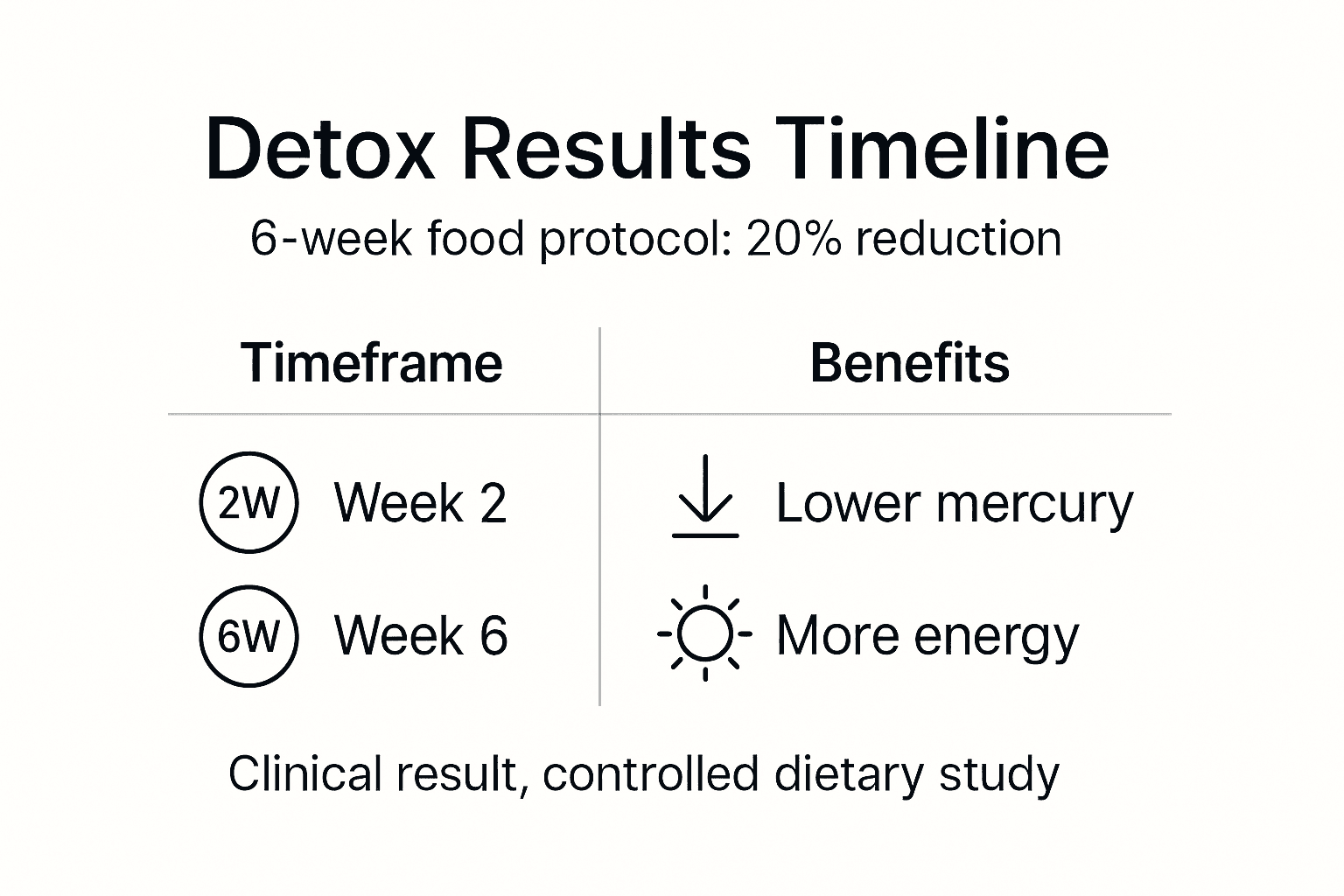
Oxidative stress markers like malondialdehyde and 8-hydroxy-2-deoxyguanosine typically decrease alongside metal reductions. These measurements indicate reduced cellular damage from free radicals, suggesting your antioxidant support effectively protects tissues during elimination.
Subjective improvements often precede measurable test changes. Increased energy, better sleep quality, improved mental clarity, and reduced joint pain commonly appear within 3-4 weeks. These symptom improvements validate your protocol even before laboratory confirmation.
Continuous monitoring ensures safety and effectiveness. Monthly symptom tracking combined with laboratory testing every 6-8 weeks provides comprehensive feedback. If symptoms worsen or metal levels fail to decrease after two months, reassess your protocol and consider professional guidance.
Explore Natural Detox Solutions with Mahoney Inter Supplements
Transitioning from food-based strategies to comprehensive detoxification support, Mahoney Inter offers carefully formulated supplements designed to enhance your heavy metal elimination efforts. Our pharmaceutical-grade ingredients provide concentrated support for liver function, glutathione production, and metal binding.
Our expert-curated supplement line includes TUDCA for bile flow enhancement, NAC to boost glutathione synthesis, and liver support complexes featuring milk thistle and selenium. These formulations complement your dietary detox approach, providing therapeutic doses difficult to achieve through food alone.
Explore our comprehensive guides on how to choose detox supplements naturally to understand which products best support your specific needs. Our role of supplements in detox guide explains how targeted supplementation accelerates metal elimination while protecting organ function.
For those seeking structured approaches, our 7-step detox protocols checklist for holistic wellness integrates dietary strategies with supplement support, creating comprehensive protocols backed by scientific research and clinical experience. Start your journey toward cleaner, healthier living today.
What Foods Detox Heavy Metals? FAQs
What foods are best for heavy metal detox?
Cilantro, chlorella, garlic, and vitamin C-rich fruits demonstrate the strongest evidence for heavy metal elimination. Cilantro mobilizes metals from tissues, chlorella binds them in the gut, garlic boosts glutathione for liver detox, and vitamin C increases urinary excretion. Combining these foods creates synergistic effects superior to any single item.
How long does a food-based heavy metal detox take?
Expect 4-6 weeks for initial measurable reductions of 15-25% in blood or urine metal levels. Significant symptom improvements often appear within 3-4 weeks. Complete detoxification requires several months to a year depending on initial metal burden, with maintenance protocols continuing long-term to prevent reaccumulation.
Are there risks to detoxing heavy metals with foods?
Yes, aggressive chelation without adequate binders can redistribute metals to sensitive organs like the brain. Starting too quickly may overwhelm elimination pathways, causing fatigue, headaches, or digestive upset. Proper hydration, gradual introduction, and balanced nutrition minimize these risks. Severe or chronic exposures require medical supervision rather than food-based approaches alone.
Can I eat seafood during detox?
Avoid large predatory fish like tuna, swordfish, and king mackerel that accumulate mercury. Shellfish from contaminated waters introduce additional heavy metals. Choose wild-caught small fish like sardines, anchovies, or salmon that contain less bioaccumulated toxins. Plant-based proteins or organic poultry provide safer alternatives during active detoxification phases.
How can I tell if detox foods are working?
Track subjective improvements like increased energy, better mental clarity, reduced inflammation, and improved digestion within 3-4 weeks. Laboratory testing of blood or urine heavy metal levels at baseline and 6-8 weeks provides objective confirmation. Expect 15-25% reductions in metal concentrations with consistent dietary protocols. If symptoms worsen or no improvements appear after 8 weeks, reassess your approach.