Parasite Cleanses: Ingredients, Evidence, Side Effects & Safety
Herbal parasite cleanses have not been proven to treat intestinal parasite infections. Although certain plant compounds have shown antiparasitic activity


TUDCA (tauroursodeoxycholic acid) was historically obtained from bear bile, but modern production also uses chemical synthesis and biological methods. Some manufacturers use bile acids from other animals, including chickens.
Synthetic TUDCA is not always animal-free. Its source depends on the raw materials used during manufacturing. To know whether a supplement is vegan, you need information about those materials, not just the word “synthetic” on its label.
TUDCA is formed when ursodeoxycholic acid (UDCA) combines with taurine. It belongs to a group of compounds called bile acids, which help the body digest fats.
The finished TUDCA molecule can have the same chemical structure regardless of its source. However, manufacturers may use different starting materials to produce it.
This makes sourcing particularly important for people avoiding animal-derived ingredients.
Bear bile is a well-known historical source of TUDCA. It has been used in traditional Asian medicine for centuries and contains relatively high concentrations of this bile acid.
However, extracting bile from live bears raises serious animal-welfare concerns. Researchers have developed alternative production methods that do not require bear bile.
Some alternatives still use ingredients obtained from other animals. Others are being investigated as potential non-animal production routes.
TUDCA and whole-animal bile supplements differ in composition. For a closer look at these differences, see TUDCA vs. Ox Bile.
Synthetic TUDCA can be manufactured through chemical reactions or enzyme-assisted processes. Researchers are also exploring microbial production.
Chemical synthesis converts suitable bile acid compounds into TUDCA. One approach involves linking UDCA with taurine.
The source of UDCA matters. If it originally came from animal bile, the resulting TUDCA cannot be described as animal-free simply because chemical reactions were used.
Enzymes can convert related bile acids into TUDCA.
A 2024 scientific review of TUDCA production describes a process using chicken bile powder and two enzymes.
This method avoids bear bile but still relies on animal-derived material.
Scientists have investigated the production of TUDCA using genetically engineered microorganisms.
A 2025 study on yeast-based TUDCA production demonstrated that modified yeast could convert a supplied bile acid precursor into TUDCA.
The research shows that microbial production is possible, although it does not establish that commercial supplements commonly use this method. The precursor’s origin must also be checked before making an animal-free claim.
The main differences concern the starting materials and manufacturing process.
| Production Method | Source | Animal-Free? |
| Bear bile extraction | Bear bile | No |
| Animal bile conversion | Chicken or other animal bile | No |
| Chemical synthesis | Bile acid precursors | Depends on source |
| Microbial production | Supplied precursors | Depends on inputs |
A synthetic origin does not automatically mean better purity, safety, or effectiveness. Those qualities require separate testing.
TUDCA may be suitable for vegan or vegetarian preferences when the manufacturer can verify that its ingredients and relevant manufacturing materials are animal-free.
The word “synthetic” alone does not confirm this.
No. Vegetarian capsules are often made from cellulose rather than animal gelatin, but this refers only to the capsule shell.
The TUDCA inside may still come from animal-derived bile acids.
Other ingredients and processing materials also need to be considered before the entire supplement can be described as vegan.
A supplement label usually identifies the amount of TUDCA but may not explain where the ingredient originated.
For reliable sourcing information:
For example, TNM Liver Support from Mahoney Inter lists 125 mg of TUDCA and describes its capsules as vegetarian. The available product information does not confirm whether its TUDCA ingredient is derived from animal-derived or non-animal sources.
The TNM Liver Support Ingredients Explained breakdown provides additional information about the formula.

TUDCA was historically associated with bear bile, but modern production methods now include several alternatives. Some are animal-derived, while others may use different starting materials.
If animal-free sourcing matters, verify the manufacturer’s documentation rather than relying on terms such as “synthetic” or “vegetarian.”
No. TUDCA can be produced through chemical and biological processes, including methods using bile acids from other animals.
Yes. Researchers have documented enzyme-assisted production using chicken-bile-derived materials.
Ask the manufacturer for a sourcing declaration covering the active ingredient and relevant production materials. A vegetarian capsule label is not sufficient.
Disclaimer: This content is for general informational purposes only and is not medical advice. Consult a healthcare professional before using TUDCA supplements.


Noor-ul-Ain is a Tech & SEO Content Writer with over 4 years of experience creating search-optimized content for digital platforms. She specializes in SaaS products, AI tools, SEO strategy, and product documentation, helping platforms turn complex features into clear, search-driven growth. Noor-ul-Ain has also written extensively on health science, sports, fitness, fashion, and beauty, focusing on informative and reader-friendly content.
Herbal parasite cleanses have not been proven to treat intestinal parasite infections. Although certain plant compounds have shown antiparasitic activity
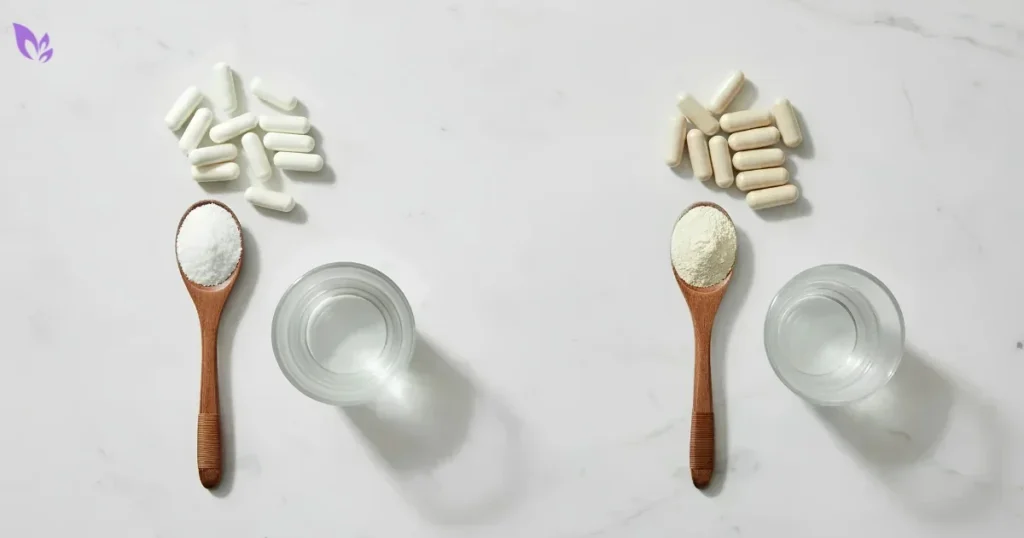
GlyNAC combines glycine and N-acetylcysteine (NAC), while NAC supplements contain N-acetylcysteine without added glycine. Both ingredients contribute to glutathione production,
Yes, you can take zinc and iron on the same day. Some multivitamins even contain both. Higher amounts of supplemental