
Sharing your life with a beloved dog brings joy, but it can also expose you to surprising health risks. Dog parasites can move from pets to people through daily interactions, even when symptoms in humans are easy to overlook. For anyone who values both natural wellness and household safety, understanding these pathways means creating true protection for yourself and your family. Discover how to recognize signs of exposure and practical methods to reduce risks using everyday habits and holistic strategies.
Table of Contents
- Dog Parasite Transmission To Humans
- Common Parasites From Dogs Affecting Humans
- Recognizing Symptoms And Warning Signs
- Prevention Strategies And Everyday Protocols
- Holistic Remedies And Wellness Approach
Key Takeaways
| Point | Details |
|---|---|
| Transmission Risk | Dog parasites can easily transfer to humans through direct contact or contaminated environments. Regular hygiene practices are essential for prevention. |
| Vulnerable Populations | Individuals with compromised immune systems, young children, and the elderly are at higher risk of severe complications from parasitic infections. |
| Effective Prevention | Simple measures like handwashing, regular deworming, and cleaning living areas can significantly reduce the risk of parasite transmission from dogs. |
| Holistic Approach | Supporting immune health through nutrition and lifestyle is crucial in preventing parasitic infections and ensuring long-term wellness. |
Dog Parasite Transmission To Humans
Your dog’s parasites can reach you more easily than you might think. Zoonotic diseases transmit between dogs and humans through multiple pathways, creating genuine health risks for you and your family. Understanding how transmission happens is the first step toward protecting yourself.
How Parasites Travel from Dogs to You
Dogs shed parasites constantly through their skin, fur, saliva, and feces. When you pet your dog, scratch an itch on your face, or handle contaminated bedding, parasites can enter your body. The transmission routes are straightforward but often overlooked.
Direct contact remains the most common pathway:
- Petting infected fur without washing hands immediately after
- Dog bites or scratches that break the skin
- Touching your face, mouth, or food after handling your dog
- Sharing bedding or sleeping areas with an infected pet
- Walking barefoot on contaminated floors or outdoor areas
Parasites don’t require obvious wounds. They exploit microscopic cuts, mucous membranes in your eyes and nose, and even intact skin in some cases. This is why pet owners with young children face elevated risk—kids touch dogs, then put fingers in their mouths without thinking.
Vectors Amplify the Problem
Fleas and ticks complicate the picture significantly. These parasites don’t just live on your dog; they infest your home environment. Flea populations explode rapidly—a single flea can multiply into thousands within weeks. When fleas bite you, they transmit parasites and pathogens directly into your bloodstream.
Your dog’s bedding, carpet, and furniture become parasite hotspots. Walking barefoot across contaminated surfaces exposes you to eggs and larvae. Even vacuuming doesn’t eliminate all parasites, as some survive and continue reproducing in your home.
Who Faces Highest Risk
Not everyone contracts parasites from dogs equally. Your immune system’s strength matters significantly. People with compromised immunity face serious complications from parasitic infections that healthy individuals handle easily.
Vulnerable populations include:
- Individuals with HIV, AIDS, or autoimmune conditions
- People undergoing chemotherapy or taking immunosuppressant medications
- Pregnant women and very young children
- Elderly individuals with weakened immune function
- People recovering from severe illness or surgery
If you fall into any vulnerable category, parasite prevention shifts from recommended to critical. Even minor infections can develop into severe health complications.
Breaking the Transmission Chain
The good news? Simple hygiene practices dramatically reduce transmission risk. Handwashing after interacting with dogs effectively reduces infection risk, yet most pet owners skip this step entirely.
Regular dog deworming prevents parasites from building up in your pet’s body. Treating your home environment—washing bedding weekly, vacuuming thoroughly, using diatomaceous earth—eliminates parasites before they reach you.
Understanding how parasites affect your immune system helps you recognize why prevention matters so much, especially if you’re already dealing with health challenges.
Your dog’s parasites are transmitted through everyday contact, not exotic scenarios. Prevention starts with awareness and consistent hygiene habits.
Pro tip: Designate a “post-pet” routine: wash hands immediately after petting your dog, never touch your face before washing, and establish a weekly bedding wash schedule to interrupt the parasite lifecycle.
Common Parasites From Dogs Affecting Humans
Dogs carry over 70 different pathogens that can reach humans. Not all of them are equal in terms of severity or transmission frequency. Understanding which parasites pose real threats helps you take targeted protective action.
Roundworms: The Most Common Threat
Roundworms are the most common intestinal parasites transmitted from dogs to humans through accidental ingestion. You don’t need direct contact with an infected dog—contaminated soil, sand, or surfaces where dogs have defecated carry infective eggs for months.
Children playing in yards or sandbox areas face particularly high risk. Toxocariasis, the infection caused by dog roundworms, can trigger serious complications including vision loss if parasites migrate to the eyes. Most infected people experience vague symptoms like fatigue and abdominal discomfort, making diagnosis difficult without specific testing.
Puppies shed roundworms more frequently because their immature immune systems cannot control parasites effectively. If your household includes young puppies, contamination risk escalates dramatically.
Hookworms and Tapeworms
Hookworms burrow through skin or infect the digestive tract, causing iron deficiency anemia over time. Tapeworms live in the intestines and absorb nutrients from your food, potentially causing malnutrition and weight loss despite normal eating.
Key parasitic threats include:
- Roundworms (Toxocara canis) from dog feces
- Hookworms causing skin and gastrointestinal infections
- Tapeworms creating long-term nutrient depletion
- Giardia causing severe diarrhea and malabsorption
- Cryptosporidium leading to chronic intestinal problems
While hookworms and tapeworms are less common than roundworms in American households, they cause significant morbidity when transmission occurs. People who work with soil or spend time outdoors barefoot face elevated exposure risk.
Here’s a comparison of common dog parasites, how they’re transmitted, and their effects in humans:
| Parasite Type | Main Transmission Route | Key Symptoms in Humans | Risk Level |
|---|---|---|---|
| Roundworms | Ingestion of eggs via soil | Fatigue, abdominal pain, vision loss | Very High (children) |
| Hookworms | Skin contact with larvae | Itching, anemia, GI upset | Moderate |
| Tapeworms | Ingestion of infected fleas | Weight loss, mild GI symptoms | Moderate |
| Giardia | Water/fecal contamination | Severe diarrhea, cramping | Moderate |
| Cryptosporidium | Environmental contamination | Chronic intestinal problems | Low in healthy adults |
| Ticks (Lyme) | Tick bite | Fever, joint pain, rash | Variable |
| Ringworm (Fungus) | Skin-to-skin contact | Circular itchy rashes | High |
Tick-Borne and Fungal Parasites
Dogs don’t just carry parasites internally. Tick-borne diseases like Lyme disease transfer from dog skin and fur to human handlers. A single tick carrying the Lyme pathogen can infect you without breaking the skin.
Ringworm represents another significant concern. Despite its name, ringworm is a fungal infection, not a parasite. Dogs transmit it through direct skin contact, creating circular rashes that spread rapidly if left untreated.
Environmental Contamination Drives Risk
Environmental parasite eggs persist in yards, parks, and beaches long after infected dogs leave. Eggs become infective within 2-4 weeks and can survive in soil for years. Walking barefoot, touching contaminated surfaces, then eating without handwashing creates infection pathways most people don’t consider.
Regular deworming of your dog is essential. Without it, parasite populations in your environment grow exponentially, creating ongoing exposure risks for your household.
Your dog’s parasites live in your environment, not just in your pet. Contaminated soil represents a continuous threat even after your dog is treated.
Pro tip: Deworm your dog every three months (or as recommended by your veterinarian), clean up feces immediately, and teach children to wash hands thoroughly after outdoor play—these three actions eliminate most transmission risk.
Recognizing Symptoms And Warning Signs
Parasitic infections from dogs don’t announce themselves with a single obvious symptom. Instead, they create a pattern of vague complaints that mimic dozens of other conditions. Learning to recognize these warning signs becomes critical when you’ve had recent dog exposure.
Gastrointestinal Red Flags
Digestive upset represents the most common symptom cluster from dog parasites. Diarrhea lasting more than a few days, especially with mucus or blood, suggests parasitic infection rather than simple food poisoning. Abdominal cramping, bloating, and persistent nausea often accompany parasitic loads.
Roundworms and hookworms attack the intestinal lining, triggering inflammation and nutrient malabsorption. You might notice weight loss despite normal or increased eating. Tapeworms create similar patterns but develop more slowly, making them harder to connect with dog exposure.

If you develop these symptoms within weeks of handling an infected dog, mention that exposure history to your healthcare provider immediately.
Systemic and Dermatological Symptoms
Common warning signs of infection include fever, fatigue, and headaches that persist for weeks. These systemic symptoms often get dismissed as lingering illness or stress. When combined with specific parasite exposure, they become diagnostic clues.
Skin symptoms appear in two forms. Ringworm infections create circular, itchy rashes that expand outward over days. Mange causes intense itching and hair loss. Both spread rapidly if not treated, and both transmit easily to other household members.
Rashes from parasitic infections typically:
- Develop within 1-3 weeks of exposure
- Create distinct patterns (rings, patches, or lines)
- Cause intense itching rather than pain
- Spread despite topical treatments unless parasites are killed
- Persist on hands, feet, and areas where you touched your dog
Respiratory and Neurological Warnings
Cough and wheezing suggest parasites have migrated to lung tissue. This occurs primarily with Toxocariasis from roundworm infection. Eye problems—blurred vision, eye pain, or floaters—indicate parasites near the retina, a medical emergency requiring immediate attention.
Less common but serious: neurological symptoms like brain fog, dizziness, or tremors warrant evaluation for parasitic infections affecting the nervous system.
Timing and Context Matter
Gastrointestinal upset, rashes, and systemic symptoms commonly result from dog parasite infections. The critical diagnostic factor is timing. Symptoms appearing within 2-8 weeks of heavy dog contact point toward parasitic infection far more strongly than symptoms emerging months later.
Keep a simple timeline: when did you handle the dog, when did symptoms start, and what symptoms developed first. This information helps healthcare providers narrow the diagnostic possibilities dramatically.
Parasitic symptoms mimic many conditions, but the combination of specific symptoms plus recent dog exposure creates a clear diagnostic pathway.
Pro tip: Document your dog exposure date and symptom timeline in writing, then share it with your doctor—this single action accelerates diagnosis and treatment by weeks compared to waiting for symptoms to worsen.
Prevention Strategies And Everyday Protocols
Preventing dog parasite transmission requires consistency, not perfection. Small daily habits compound into genuine protection over weeks and months. These protocols work because they interrupt parasite lifecycles at multiple points simultaneously.
Hand Hygiene: Your First Defense
Thorough handwashing after touching dogs represents the single most effective prevention strategy. Most pet owners skip this step, assuming brief contact doesn’t warrant washing. Reality is harsher—parasites transfer through microscopic contact on fur and skin.
Proper handwashing means 20 seconds with soap and warm water, scrubbing between fingers and under nails where parasites hide. Wash immediately after petting, before eating, and before touching your face. Hand sanitizer doesn’t work—parasites require physical removal through water and friction.
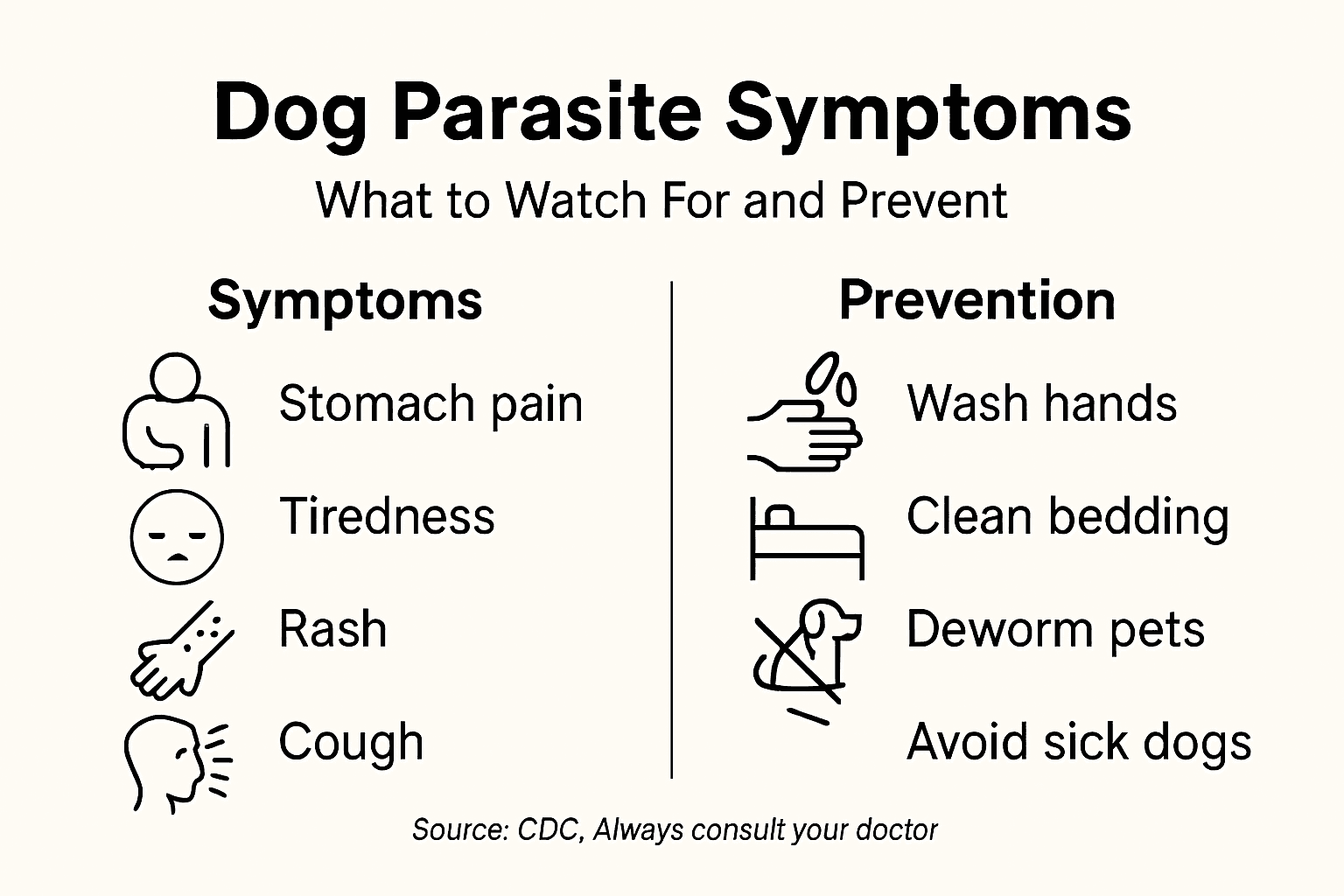
Children present special challenges. Teach them to wash before meals and snacks, not just when obviously dirty. Make handwashing automatic by placing soap and reminders near doors where pets live.
Physical Barriers and Direct Contact Prevention
Prevent dogs from licking your face or open wounds. This single behavior eliminates a major transmission route. Saliva carries parasites directly into your mouth and bloodstream through cuts.
Establish clear boundaries:
- No dog licking faces or hands
- No sharing food or drinking vessels
- No sleeping in beds with dogs (especially for vulnerable individuals)
- No allowing dogs on kitchen counters or dining surfaces
- Bandage any cuts or scratches before petting infected dogs
These boundaries feel restrictive initially but become routine within weeks. Vulnerable populations—pregnant women, immunocompromised individuals, elderly people—should enforce these strictly.
Environmental Contamination Control
Clean living environments eliminate parasite eggs and larvae before they develop into infectious stages. Weekly washing of dog bedding in hot water kills most parasites. Vacuuming thoroughly, especially in areas where dogs spend time, removes eggs from carpet and furniture.
Outdoor areas matter equally. Pick up feces immediately—don’t wait for cleanup day. Parasites become infective within 2-4 weeks in soil. Immediate removal prevents environmental buildup completely.
For yards frequented by multiple dogs, consider diatomaceous earth application monthly. This natural substance kills parasites without harsh chemicals, making it safe for families and pets.
Below is a summary of core prevention measures, with the primary benefit and who benefits most from each:
| Prevention Step | Main Benefit | Most Impact for |
|---|---|---|
| Handwashing after contact | Reduces immediate infection risk | Everyone, especially children |
| Regular dog deworming | Lowers environmental parasite load | Families with puppies |
| No dogs on beds/couches | Limits close contact exposure | Immunocompromised persons |
| Weekly wash dog bedding | Breaks parasite lifecycle | Households with children |
| Immediate yard cleanup | Prevents soil contamination | Homeowners with dogs |
Strategic Avoidance and Deworming
Avoid contact with visibly sick animals. Symptomatic dogs shed parasites heavily. If you encounter a sick dog, minimize contact and wash immediately afterward.
Ensure your own dog receives regular deworming—every 3 months for adult dogs, monthly for puppies. Consistent deworming prevents parasite populations from building up in your home. Request your veterinarian’s recommendations based on your region’s parasite prevalence.
Understanding anti-parasitic protocols for yourself becomes important if you show symptoms. Early intervention prevents complications that develop from untreated infections.
Prevention works through consistency, not dramatic measures. Small daily habits eliminate parasites far more effectively than occasional deep cleaning.
Pro tip: Create a simple checklist posted near your bathroom: wash hands after pets, prevent face licking, weekly bedding wash, immediate feces cleanup. Check boxes daily—this visual accountability dramatically improves compliance over months.
Holistic Remedies And Wellness Approach
Treating parasitic infections requires more than medication alone. A holistic approach addresses both the infection and the conditions that allowed parasites to establish themselves. This integrated strategy supports long-term recovery and prevents future infections.
Supporting Immune Function
Your immune system represents your primary defense against parasitic invasion. Parasites thrive when immunity weakens. Strengthening immunity before and after exposure creates an inhospitable environment for parasites.
Nutritional support directly impacts immune capacity. Focus on nutrient density: foods rich in vitamin C, zinc, selenium, and vitamin A support immune cells. Vitamin D deficiency correlates with higher parasite susceptibility—optimize levels through sunlight exposure and supplementation.
Sleep quality matters enormously. Parasites multiply faster when you’re sleep-deprived because immune function crashes during poor sleep. Consistent sleep schedules, darkness, and temperature control support recovery from parasitic infections.
Stress reduction strengthens immunity. Chronic stress suppresses immune function, allowing parasites to flourish. Meditation, yoga, and gentle exercise support both stress reduction and immune activation.
Nutritional Protocols
Integrated parasite control combined with environmental hygiene and nutritional support creates comprehensive protection. Specific foods actively fight parasites while nourishing your body.
Anti-parasitic foods include:
- Raw garlic containing allicin compound
- Pumpkin seeds with cucurbitacin alkaloids
- Coconut oil with lauric acid
- Ginger and turmeric supporting inflammation reduction
- Fermented foods improving gut bacteria
- Bone broth supporting intestinal lining recovery
These foods work best combined with overall dietary improvements. Remove sugar and processed foods that feed parasites and suppress immunity. Focus on whole foods your body recognizes and processes efficiently.
Liver and Digestive Support
Your liver processes parasitic die-off products. Overwhelming your liver causes die-off symptoms that feel worse than the infection itself. Supporting liver function prevents this uncomfortable situation.
Liver support strategies include:
- Milk thistle supporting hepatocyte function
- NAC enhancing glutathione production
- Binders like activated charcoal trapping parasitic debris
- Adequate hydration supporting elimination pathways
- Bitter herbs stimulating bile production
Digestive support matters equally. Parasites damage intestinal lining, reducing nutrient absorption. Bone broth, L-glutamine, and zinc carnosine support intestinal repair while improving digestion.
Integrated Wellness Strategy
A wellness approach emphasizes balanced care through preventive medicine, hygiene, and immune support rather than relying solely on medications. This means addressing root causes: why did parasites establish themselves? Was immunity compromised? Did environmental factors enable transmission?
Holistic detoxification includes supporting whole-body health through gentle, sustained protocols. Aggressive parasite elimination damages healthy tissue alongside parasitic structures. Gentle, methodical protocols protect your body while eliminating infections.
Regular parasite screenings catch early infections before symptoms develop. This proactive approach prevents the serious complications that emerge from chronic untreated infections.
Holistic parasite management treats your whole system, not just the infection. Supporting immunity and nutrition creates lasting resistance to parasitic disease.
Pro tip: Start immune support and nutritional protocols 2-3 weeks before parasite treatment, not during active treatment—this prevents overwhelming your liver during die-off reactions while ensuring maximum treatment effectiveness.
Take Control of Dog Parasite Risks with Trusted Holistic Support
Understanding the signs of dog parasite transmission and its impact on your health is critical to protecting yourself and your loved ones. This article highlights key challenges like invisible parasite exposure, immune system strain, and persistent symptoms such as fatigue and digestive issues. These concerns call for a proactive and holistic approach to parasite cleansing and immune resilience.
If you are seeking safe and effective solutions that support your body’s natural defenses and aid in parasite elimination, explore the carefully formulated supplements available at Mahoney Inter. Our products emphasize pharmaceutical-grade purity, including immune boosters, liver support, and parasite cleanse complexes designed to complement your health journey naturally.

Don’t wait for symptoms to worsen. Start a consistent parasite prevention and detox protocol today with Mahoney Inter’s trusted supplements. Learn more about how parasite infections affect your immune system and discover anti-parasitic strategies that promote whole-body wellness. Protect yourself and your family by acting now to restore vitality and peace of mind.
Frequently Asked Questions
What are the common symptoms of dog parasites in humans?
Common symptoms include gastrointestinal upset such as diarrhea and abdominal pain, systemic symptoms like fever and fatigue, and dermatological signs like rashes (e.g., ringworm).
How can I prevent dog parasites from affecting my family?
You can prevent dog parasites by practicing good hygiene, such as thorough handwashing after handling dogs, cleaning your dog’s bedding regularly, and deworming your dog as recommended by a veterinarian.
What should I do if I suspect a parasitic infection from my dog?
If you suspect a parasitic infection, especially if symptoms develop within 2-8 weeks of handling your dog, consult a healthcare provider. Provide details of your dog exposure to aid in diagnosis.
How often should I deworm my dog to prevent parasite transmission?
It is generally recommended to deworm adult dogs every three months and puppies monthly to keep parasite populations in check and reduce transmission risks.
Recommended
- How to Spot Parasite Symptoms for Better Health – Mahoney inter
- Gut Parasites in Humans – Holistic Risks and Solutions
- How to Identify Parasites Naturally: Step-by-Step Guide – Mahoney inter
- Identify and Address Brain Parasite Symptoms Easily – Mahoney inter
- Parasitbehandling med ANF-frekvenser – Vi lanserar nytt parasitkit – ANF-Kliniken Stockholm
- Blog sobre perros gatos y más mascotas | Mundo Cachorro