
Liver Cleansing Epsom Salt Protocol for Natural Detox
Discover a step-by-step guide using liver cleansing epsom salt naturally for safe, effective detoxification and improved liver health. Achieve optimal results with each step.


Battling chronic illness already demands resilience, but facing hidden threats like parasites can make the journey even tougher. For millions worldwide, these organisms—ranging from worms to ticks and pathogenic protozoa—quietly compromise health, nutrition, and immune function. If you’re seeking holistic ways to strengthen your body, understanding the relationship between parasites and chronic disease empowers you to take action and restore wellness, especially when every bit of support matters most.
| Point | Details |
|---|---|
| Parasites Can Trigger Chronic Illness | Parasitic infections can transition from acute to chronic, exacerbating existing health issues like cancer by compromising nutrition and immune function. |
| Holistic Screening is Essential | Comprehensive parasite screening is crucial for individuals with chronic illnesses to identify and manage potential infections early, reducing the burden on the immune system. |
| Targeted Treatment Strategies | Effective treatment involves diagnostic testing to identify specific parasites, followed by tailored dietary and supplement protocols to eliminate infections and restore nutrition. |
| Beware of Myths and Risks | Over-the-counter cleanses do not cure parasitic infections; professional medical diagnosis and targeted treatments are necessary to avoid complications and ensure safety. |
Parasites are living organisms that survive by inhabiting a host organism, feeding on your blood, nutrients, or tissues while potentially causing harm. The parasitic world is diverse and includes worms, ticks, mites, fleas, biting flies, mosquitoes, and pathogenic protozoa that affect humans across every continent. These organisms have evolved sophisticated strategies to evade your immune system and establish long-term infections. When parasites remain undetected or untreated, they transition from acute infections into chronic conditions that can persist for months or even years, silently undermining your health.
Parasitic infections caused by protozoa, helminths, and arthropods represent a major global health challenge, affecting roughly one-quarter of the world’s population. Approximately 450 million people currently suffer from intestinal parasitic infections, with children bearing the heaviest burden. The scope extends beyond intestinal parasites to vector-borne diseases like malaria transmitted by mosquitoes, which causes significant illness and mortality worldwide. What makes this challenge particularly pressing for those with existing chronic illnesses is that parasites can amplify existing health problems, compromising your nutrition, causing blood loss, and creating pathways for other diseases to establish themselves in your compromised system.
Chronic illness develops when parasitic infections transition from acute phases into persistent conditions lasting weeks, months, or longer. Unlike acute infections that produce obvious symptoms and resolve relatively quickly, chronic parasitic infections often work quietly in the background. You might experience subtle symptoms that healthcare providers attribute to other causes: unexplained fatigue, nutrient deficiencies, anemia, digestive issues, or immune dysfunction. For individuals already managing cancer or other serious chronic conditions, parasites create additional complexity by competing for resources your body desperately needs for healing and immune function. The connection between parasites and immune suppression becomes particularly concerning when you’re already dealing with conditions that compromise your body’s natural defenses.
The real-world impact hits differently when parasites complicate existing health challenges. Someone undergoing cancer treatment faces additional nutritional demands as their body works to repair damage and fight disease. A parasitic infection during this critical period diverts precious nutrients and energy, potentially slowing recovery and weakening immune response precisely when strength matters most. Understanding how parasites affect your health and immunity becomes essential for anyone managing chronic conditions alongside potential parasitic infections. This dual burden explains why health-conscious individuals increasingly prioritize comprehensive parasite screening and elimination as part of their holistic wellness strategy.
Pro tip: If you have an existing chronic illness like cancer, request comprehensive parasitic screening from your healthcare provider before or alongside your treatment plan. Identifying and addressing parasites early can significantly reduce the additional stress on your immune and digestive systems during your healing journey.
Human parasites fall into three main categories that differ dramatically in size, complexity, and the damage they inflict on your body. Protozoa are single-celled organisms that seem harmless until you realize they multiply rapidly inside your system. Giardia and Entamoeba represent common protozoan threats that cause intestinal infections, often accompanied by severe diarrhea and nutrient absorption problems. These microscopic invaders spread through contaminated water and food, making them particularly prevalent in areas with poor sanitation. Malaria, transmitted by mosquitoes, represents another devastating protozoan infection that affects millions globally. For someone already battling chronic illness, protozoan infections compound existing immune challenges by creating constant intestinal inflammation and nutrient loss.
Helminths, or parasitic worms, are larger organisms visible to the naked eye that colonize different body systems depending on their species. Roundworms like Ascaris can reach lengths of 14 inches, literally consuming nutrients meant for your body while releasing toxins. Hookworms attach to your intestinal walls and feed directly on your blood, causing anemia and protein deficiency. Tapeworms can grow to over 30 feet long inside your intestines, competing aggressively for the vitamins and minerals your body absorbs from food. Trichuris, or whipworms, burrow into your intestinal lining and trigger chronic inflammation. Parasitic worm infections and their transmission vary by geography and living conditions, but their cumulative effect on nutritional status directly impacts your immune resilience and overall wellness capacity.
Ectoparasites live on your skin surface rather than inside your body, and include ticks, lice, mites, and fleas. While they might seem less dangerous than internal parasites, they create their own complications. Ticks transmit serious diseases like Lyme disease and Rocky Mountain spotted fever. Mites cause scabies and trigger intense itching that disrupts sleep and healing. These surface-dwelling parasites also create entry points for bacterial infections, which becomes particularly problematic when your immune system is already compromised by chronic illness. Understanding which parasites threaten your specific region and lifestyle helps you take targeted prevention steps that protect your wellness journey.
The practical reality is that parasites thrive in conditions where your immune system struggles. Someone managing cancer, for example, faces elevated risk because chemotherapy temporarily suppresses immunity. Parasites exploit this vulnerability, establishing infections that drain your already-limited energy reserves. Different parasites colonize different body sites—intestines remain most common, but parasites can inhabit your blood, skin, brain, and even eyes depending on the species and transmission route. Recognizing that parasite infections aren’t confined to developing nations matters when you live anywhere with wildlife, travel internationally, or consume undercooked meats and unfiltered water.
Here’s a summary contrasting the three main types of human parasites and their health impacts:
| Parasite Type | Where They Live | Main Health Impact | Example Diseases |
|---|---|---|---|
| Protozoa | Inside intestines, blood | Diarrhea, malabsorption | Malaria, Giardiasis |
| Helminths | Gastrointestinal tract | Anemia, nutrient depletion | Ascariasis, Hookworm |
| Ectoparasites | On skin surface | Itching, skin infections | Scabies, Lyme disease |
Pro tip: If you’ve recently traveled internationally, consumed raw or undercooked meat, or have unexplained symptoms alongside your chronic illness diagnosis, mention parasite screening specifically to your healthcare provider—standard blood work often misses parasitic infections unless they explicitly test for them.
Parasites don’t just cause temporary discomfort. They establish themselves in your body and activate a cascade of biological processes that transform acute infections into persistent chronic conditions. The mechanism begins with systemic inflammation, which becomes the foundation for long-term health complications. When parasites colonize your intestines, blood, or tissues, your immune system recognizes the threat and launches a defensive response. This constant battle between parasite and immune system creates a state of perpetual inflammation that damages your own tissues over time. For someone already managing cancer or another chronic illness, this inflammatory load becomes overwhelming. Your body must simultaneously fight the cancer while mounting immune responses against parasitic invaders, diverting precious resources from healing.

Parasites disrupt central nervous system function through inflammatory pathways that extend far beyond your intestines. The inflammation triggered by parasitic infections doesn’t remain localized. Instead, it circulates throughout your bloodstream, crossing into your brain and creating neuroinflammatory conditions. This explains why people with chronic parasitic infections often experience brain fog, unexplained fatigue, depression, and cognitive difficulties. The sustained immune response continues unchecked because parasites have evolved sophisticated survival strategies that either evade your immune detection or actively suppress your immune function. You might feel like you’re fighting an invisible battle because technically, you are. Your body exhausts itself maintaining constant inflammation without ever fully eliminating the threat.
The second mechanism involves nutritional depletion that accelerates disease progression in chronic illness patients. Parasites consume the nutrients your body absorbs from food. Worms feed on your blood, causing anemia. Protozoa damage your intestinal lining, reducing your ability to absorb vitamins, minerals, and proteins. When your body fights cancer, it demands optimal nutrition for cell repair and immune function. When parasites intercept that nutrition, your recovery capacity collapses. You become simultaneously malnourished and nutrient-starved despite eating adequately. This nutritional crisis weakens your immune resilience precisely when you need maximum strength. The chronic inflammatory state combines with nutritional deficiency to accelerate tissue damage and disease severity, showing how parasites trigger or exacerbate chronic illnesses through immune system modulation.
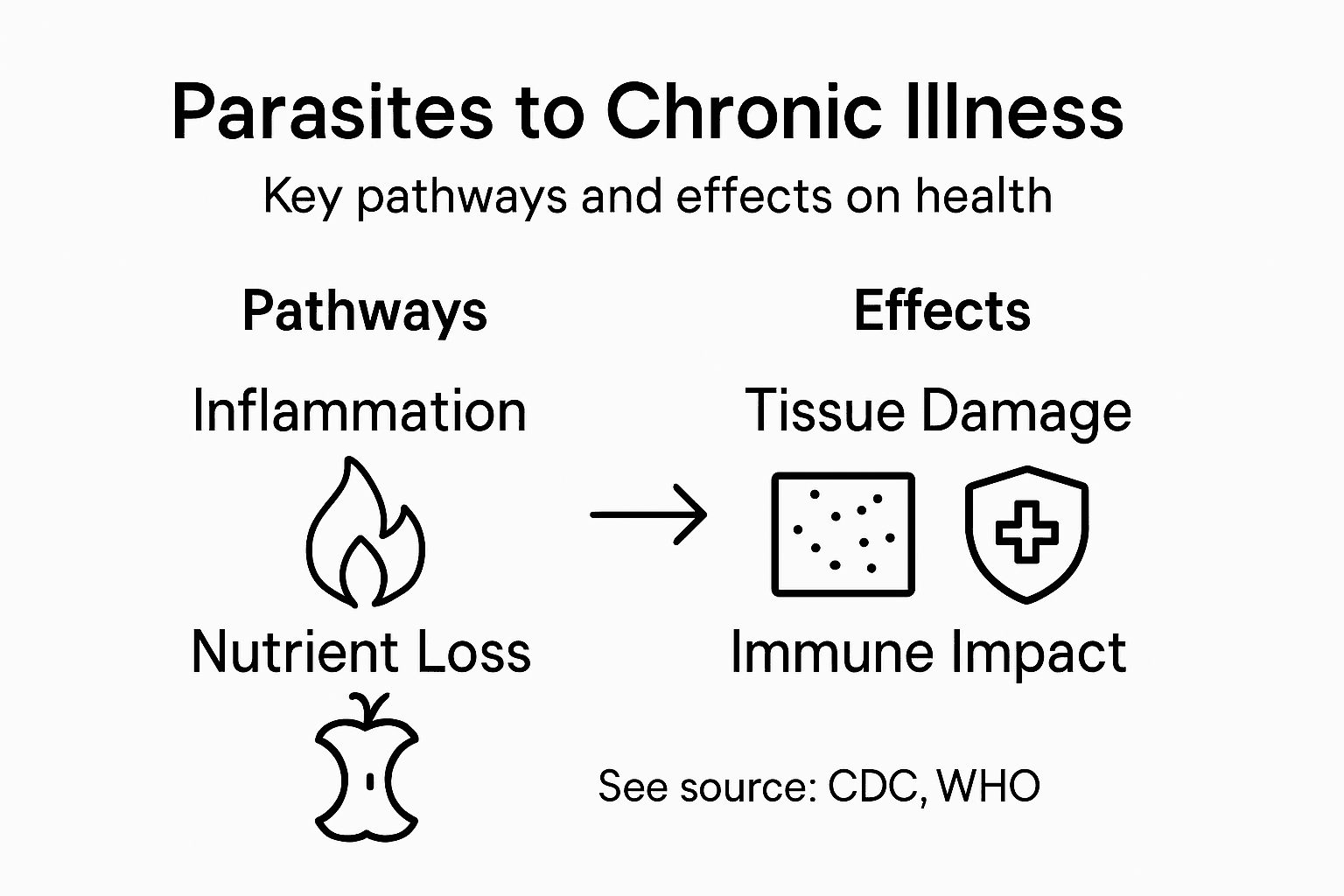
Parasites also create chronic tissue damage through direct invasion and long-term inflammation. Hookworms burrow into your intestinal walls and cause bleeding. Tapeworms create mechanical blockages. Roundworms release toxins that damage cells. Over months and years, this constant microscopic damage accumulates into serious organ dysfunction. Your intestines become increasingly permeable, allowing bacterial endotoxins to leak into your bloodstream, a condition called leaky gut that amplifies systemic inflammation. For cancer patients undergoing treatment, this additional intestinal damage compounds the side effects of chemotherapy and radiation. The synergy between cancer treatment and parasitic damage creates a health crisis that multiplies rather than adds to your overall burden.
Pro tip: Before starting any intensive cancer treatment or chronic illness protocol, work with your healthcare provider to conduct comprehensive parasitic testing and consider treatment options that address parasites first, giving your body optimal conditions to fight your primary condition.
A true parasite cleanse isn’t a single action. It’s a coordinated multi-phase strategy that addresses parasites while supporting your body’s natural detoxification processes. The foundation starts with diagnostic testing to confirm which parasites you actually harbor. Standard blood work misses many parasitic infections, so functional medicine practitioners use specialized stool tests, antigen tests, and antibody panels to identify specific threats. Once you know what you’re dealing with, treatment becomes targeted rather than guesswork. Generic parasite cleanses often fail because they don’t address the particular organism colonizing your body. A roundworm requires different treatment than a protozoan infection, and both demand different approaches than tapeworms. The diagnostic phase takes time but prevents wasted effort on ineffective protocols.
Holistic parasite cleanse protocols integrate lab testing with therapeutic diets and natural supplements to create a hostile environment for parasites while rebuilding immune function. Dietary changes form the second pillar of effective cleansing. You eliminate foods that feed parasites and inflammation: sugar, refined carbohydrates, alcohol, and processed foods. Simultaneously, you increase hydration, fiber, and nutrient density through whole foods that support your body’s detoxification pathways. This dietary shift does more than starve parasites. It reduces systemic inflammation, improves intestinal barrier function, and provides the micronutrients your immune system requires to mount an effective response. Someone fighting cancer alongside parasitic infection especially benefits from this nutritional optimization, as every calorie consumed can either fuel disease or fuel healing.
The third component involves botanical remedies and targeted supplementation with compounds that parasites cannot tolerate. Berberine disrupts parasite metabolism. Oregano oil creates an inhospitable intestinal environment. Grapefruit seed extract damages parasite cell membranes. Black walnut hull, wormwood, and clove work synergistically to target different parasite life stages. These aren’t random folklore remedies. Modern research validates their antiparasitic mechanisms. The protocol typically runs 4 to 12 weeks depending on infection severity and parasite type, with specific dosing sequences that account for parasite reproduction cycles and die-off symptoms. During this phase, immune support becomes critical. Your body processes dead parasites and their released toxins, creating temporary flu-like symptoms as the cleaning process unfolds. Liver support supplements like NAC and TUDCA help your body process parasitic toxins efficiently.
The final phase focuses on restoration and prevention. Once parasites clear, you rebuild intestinal health through probiotics, bone broth, and prebiotic foods that restore beneficial bacteria. You address any nutritional deficiencies created by months of parasitic nutrient theft. Someone with cancer benefits especially from this restoration phase, as optimal gut health directly supports immune function and treatment tolerance. Long-term parasite prevention involves dietary consistency, proper food handling, safe water practices, and periodic monitoring to catch new infections before they establish chronic conditions.
Pro tip: Start with comprehensive parasitic testing before beginning any cleanse protocol, and work with a functional medicine practitioner who can customize the approach to your specific parasites and health situation rather than using generic one-size-fits-all protocols.
Natural supplements offer a powerful alternative or complement to conventional parasite treatments, working through mechanisms that parasites cannot easily resist. Over 90 plant species demonstrate antiparasitic properties by interfering directly with parasite metabolism and life cycles. These aren’t random herbalist recommendations passed down through generations, though many compounds do originate from traditional medicine systems like Ayurveda. Modern research validates what traditional practitioners discovered through centuries of observation. The key compounds used in effective parasite detox work through multiple mechanisms simultaneously, making it nearly impossible for parasites to develop resistance. This multi-targeted approach differs fundamentally from single-drug treatments that parasites often adapt to over time.
Berberine stands as one of the most researched antiparasitic compounds. This alkaloid disrupts parasite energy production at the cellular level, essentially suffocating parasitic organisms from within. Black walnut hull contains juglone, a compound toxic to parasites but well-tolerated by humans when dosed appropriately. Wormwood earned its name precisely because it kills worms so effectively, working through multiple antimicrobial pathways. Clove acts as both an antiparasitic agent and immune support during the detox process. Oregano oil creates an intestinal environment so hostile that parasites cannot establish new infections. Grapefruit seed extract damages parasite cell membranes directly. These compounds exhibit antimicrobial and anthelmintic activity both in laboratory studies and through traditional use spanning centuries.
The strategic combination of these supplements matters more than using any single compound. During the initial phase, you introduce herbal remedies that attack parasites while your immune system mobilizes. As parasites die and release toxins, supporting herbs maintain that pressure while preventing die-off symptoms from overwhelming your system. Liver support supplements like NAC and TUDCA become essential during this phase, helping your body process parasitic toxins efficiently rather than storing them. Someone managing cancer alongside parasitic infection especially benefits from this liver support, as your body must process both treatment toxins and parasitic debris simultaneously. The timing of supplementation matters significantly. Taking everything simultaneously overwhelms detoxification pathways. Spacing supplements strategically allows your body to process each compound effectively while maintaining antiparasitic pressure.
Dosing requires individual adjustment based on parasite type, infection severity, your body weight, and existing health conditions. Generic internet protocols often underestimate dosing needs while ignoring safety considerations for people on medications. Quality matters tremendously. Supplements from reputable manufacturers with third-party testing contain actual active ingredients at stated potencies. Budget supplements frequently contain fillers rather than therapeutic doses of active compounds. Someone fighting cancer cannot afford wasted effort on ineffective products. Your money and your immune capacity both deserve premium-quality supplements specifically formulated for parasite detox rather than generic wellness blends.
The table below compares conventional drugs and natural supplements for parasite treatment:
| Approach | Mechanism of Action | Monitoring Need | Typical Drawbacks |
|---|---|---|---|
| Prescription Medication | Direct parasite knockout | Medical supervision | Possible side effects |
| Natural Supplements | Multi-target parasite support | Practitioner advised | Variable potency, slower |
Pro tip: Work with a functional medicine practitioner or naturopathic doctor to determine which specific supplements match your parasite type, and space doses throughout the day rather than taking all supplements simultaneously to optimize your body’s detoxification capacity.
The parasite cleanse market thrives on myths that sound reasonable but collapse under scrutiny. The biggest myth claims that standard over-the-counter cleanses can cure parasitic infections. This simply isn’t true. No over-the-counter cleanse has proven to cure parasitic infections, despite marketing claims suggesting otherwise. You’ll find countless testimonials online, but testimonials aren’t evidence. Someone feeling better after a cleanse might have experienced natural parasite die-off, placebo response, improved diet benefits, or coincidental recovery from other health issues. Without medical diagnosis confirming parasitic infection before and after treatment, you cannot distinguish between actual parasite elimination and perceived improvements from other lifestyle changes. This distinction matters critically for someone with cancer, where wasted time pursuing ineffective cleanses diverts attention from proven treatments your survival depends on.
Another pervasive myth suggests that parasites cause virtually every chronic health problem. While parasites certainly contribute to serious illness, attributing fibromyalgia, autism, autoimmune disease, or cancer exclusively to parasites oversimplifies complex biological conditions. This myth drives people toward unnecessary cleanses that can actually cause harm. Parasite cleanses often lack scientific support and may pose risks including dehydration, liver injury, and nutrient deficiencies. Someone already weakened by cancer treatment cannot afford additional liver injury or nutrient depletion. Aggressive herbal protocols without professional monitoring can overwhelm your detoxification pathways, causing die-off symptoms so severe they mimic or worsen disease progression. Your body processes parasitic toxins through your liver and kidneys. Excessive supplementation floods these organs beyond their processing capacity, creating backup and toxin accumulation rather than elimination.
Safe parasite treatment requires a completely different approach than marketing-driven cleanses. Start with medical diagnosis from a healthcare provider who specifically tests for parasitic infections. Standard blood work misses most parasites, so you need functional stool analysis, antigen testing, or antibody panels performed by laboratories specializing in parasitic disease. Once diagnosis confirms specific parasite species, treatment becomes targeted and measured rather than random. Prescription antiparasitic medications like antihelmintics offer proven efficacy backed by clinical trials. Natural supplement protocols work best when used as complements to, not replacements for, medical diagnosis and treatment. Dosing must account for your body weight, existing medications, liver and kidney function, and whether you’re currently undergoing cancer treatment. Self-directed protocols ignore these critical variables. Someone on chemotherapy processing medication toxins through a compromised liver cannot safely follow generic internet detox protocols designed for otherwise healthy individuals.
The concept of “die-off symptoms” deserves special attention. Marketing claims suggest that flu-like symptoms, fatigue, and digestive upset during cleanses prove parasites are dying. Actually, these symptoms often indicate your body is being overwhelmed. Yes, parasite death does release toxins requiring processing. But severe symptoms signal that your detoxification pathways are stressed beyond safe limits. You should experience mild symptoms only. Severe reactions warrant immediate medical attention, not continued protocol adherence based on internet advice that “symptoms mean it’s working.”
Pro tip: Before starting any parasite cleanse or supplement protocol, consult with your oncologist or primary care physician about potential interactions with your cancer treatment or medications, and insist on diagnostic testing that confirms parasitic infection rather than assuming parasites based on symptoms alone.
Chronic illnesses like cancer and other serious conditions become even more challenging when parasitic infections silently drain your energy, nutrients, and immune strength. This article highlights the hidden burden parasites place on your body through systemic inflammation, nutritional depletion, and weakened defenses. If you recognize symptoms such as unexplained fatigue, digestive issues, or immune dysfunction, you deserve a trusted approach that addresses these specific challenges with pharmaceutical-grade ingredients and scientifically backed supplements.

Empower your wellness journey today by exploring expertly formulated products at Mahoneyinter designed for holistic parasite elimination and immune support. From natural antiparasitic compounds like ivermectin and fenbendazole to critical liver support supplements such as TUDCA and NAC, you gain a safe, effective protocol tailored to restore your body’s resilience. Do not wait until parasite-related damage worsens your chronic illness. Visit Mahoneyinter’s main site now and take the first step toward renewing your health with trusted, customer-approved parasite cleanse solutions.
Human parasites are categorized into three main types: protozoa, helminths (parasitic worms), and ectoparasites. Protozoa are single-celled organisms, helminths are larger worms that can be seen with the naked eye, and ectoparasites live on the skin surface.
Parasites can worsen existing chronic illnesses by creating systemic inflammation, depleting essential nutrients, and causing chronic tissue damage. For example, during cancer treatment, parasites can compete for nutrients needed for healing, which can complicate recovery efforts.
To effectively diagnose parasitic infections, consider specialized testing methods such as stool tests, antigen tests, and antibody panels, as standard blood work often misses many parasitic infections.
Common symptoms of chronic parasitic infections include unexplained fatigue, nutrient deficiencies, anemia, digestive issues, and immune dysfunction. These symptoms can often be mistaken for signs of other health problems.
Discover a step-by-step guide using liver cleansing epsom salt naturally for safe, effective detoxification and improved liver health. Achieve optimal results with each step.

Learn what helps with detoxing safely using holistic supplements, dietary changes, and parasite cleanses. Discover top ingredients and protocols.

Discover how do you clean out your liver naturally with proven, step-by-step actions. Achieve a healthier liver through safe, holistic supplement strategies.