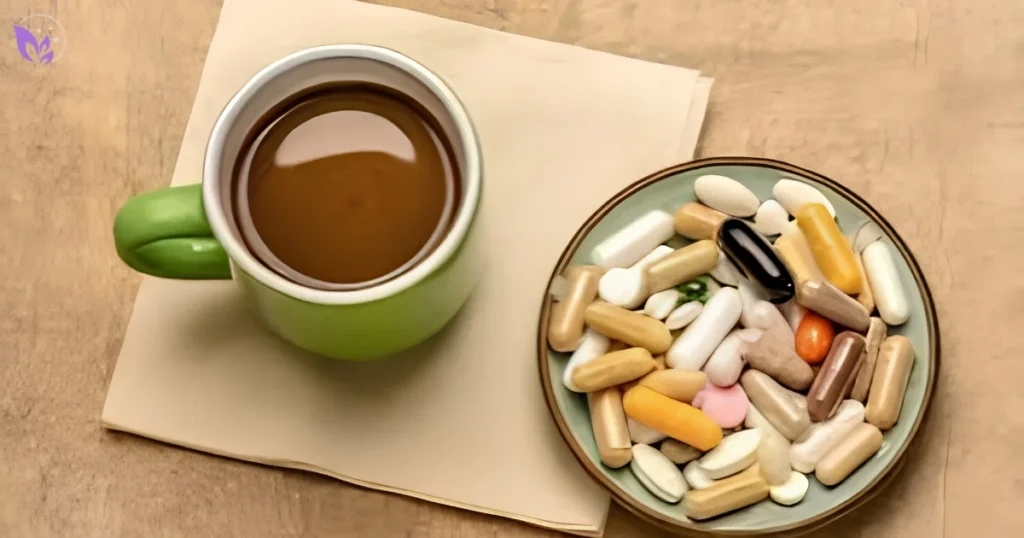
Can You Take Supplements With Coffee or Tea? Timing & Absorption Guide
Coffee or tea is part of many people’s daily routine, and for many supplement users, mornings are the easiest time


Buying good supplements is only one part of a healthy wellness routine. Their freshness also depends on how carefully they are stored after purchase. Heat, moisture, sunlight, open bottles, and poor storage habits can affect the condition, freshness, smell, texture, and overall quality of supplements over time.
Vitamins and wellness products are often stored in bathrooms, kitchens, cars, or travel bags, even though heat and humidity can degrade their quality. These places may feel convenient, but they are not always the best choice. If you want to know how to store supplements properly, the simple rule is this: keep them in a cool, dry place, away from direct sunlight, moisture, children, and pets.
Mahoney Inter Supplements believes education should continue after purchase, helping users store their products properly and follow label directions with confidence. Whether you use capsules, binders, herbal formulas, or liquid minerals, proper supplement storage tips can help you keep your daily routine safer, cleaner, and more organized.
Supplement quality can be affected by different environmental factors. Heat may change the texture of some products. Moisture may cause capsules or powders to clump. Sunlight may expose bottles to unnecessary warmth. Leaving a bottle open can also let air and humidity in.
This does not mean every supplement becomes unusable immediately when stored poorly, but it does mean storage conditions should be taken seriously. A product that smells unusual, looks different, feels sticky, or has moisture inside the bottle should not be ignored.
Proper storage helps protect product freshness and makes it easier to follow your supplement routine with confidence. It also helps you keep labels readable, supplement expiration dates visible, and serving directions easy to follow.
The best place to store supplements is usually a cool, dry, dark cabinet. A bedroom cabinet, home office drawer, or pantry shelf away from heat can work well. The goal is to choose a place that remains stable throughout the day and is not exposed to steam, sunlight, or significant temperature fluctuations.
A good supplement storage place should be:
Whenever possible, keep supplements in their original bottles. Original packaging includes the product name, serving size, expiry or best-by date, batch details, warnings, and storage instructions. If you move capsules into another container, you may lose important label information.
Also, keep the bottle tightly closed after each use. A loose cap may allow moisture or air to enter the bottle, especially in humid areas.
For long-term storage, supplements should stay in their original container whenever possible. The original bottle protects the product and keeps important details in one place, including the supplement facts, serving directions, supplement expiration date, warnings, lot number, and storage instructions.
Avoid moving capsules or tablets into unlabelled bags for regular use. Pill organizers can be useful for short trips or weekly planning, but the original container is still better for longer storage.
If a desiccant packet is included inside the bottle, do not remove it unless the label says otherwise. It is usually added to help reduce moisture inside the container. Never eat the packet, and keep it away from children and pets.
Some common storage places can create problems for supplements. These areas may seem convenient, but they often expose products to heat, moisture, or sunlight.
Because supplements are often taken in the morning, many people leave the bottle in the bathroom for convenience. However, bathrooms often have steam and humidity from showers and sinks. This moisture can affect capsules, powders, gummies, and labels.
If you are wondering, “Can you store supplements in the bathroom?” the better answer is usually no. A bathroom cabinet is not ideal for long-term supplement storage.
You can store supplements in the kitchen, but choose a cabinet that is not close to cooking heat, steam, or a sunny window. Heat and steam can build up quickly in these areas.
If you store supplements in the kitchen, choose a dry cabinet away from cooking heat and water sources.
A car can become very hot, especially in summer. Leaving supplements in a hot car may affect gummies, softgels, liquids, and some capsules. Windowsills are also not ideal because they expose bottles to direct sunlight and temperature changes.
Bags, purses, and backpacks are fine for short-term travel, but they are not the best place for long-term supplement storage.

Many supplements include an expiry date, best-by date, lot number, or manufacturing details on the label. Supplement shelf life can vary based on the formula, packaging, ingredients, product form, and storage conditions.
Always check the supplement expiration date before use, especially if the bottle has been opened for months or stored for a long time. If the label gives a specific time frame after opening, follow that instruction first.
A product stored in a cool, dry cabinet with the cap tightly closed is usually better protected than one left open in a bathroom, car, or humid kitchen. Expired supplements, or products with a changed smell, color, texture, or moisture inside the bottle, are better not to use.
For customers in the USA, UK, and Canada, labels may look slightly different, but the basic rule is the same: check the label, follow directions, and keep supplements away from heat, moisture, and direct sunlight.
Different supplement forms need slightly different care. A general “cool, dry place” rule works for many products, but some forms need extra attention.
| Supplement Form | Storage Tips |
| Capsules | Keep dry, tightly closed, and away from humidity |
| Tablets | Store in the original bottle and avoid moisture |
| Powders | Keep the scoop dry and avoid steam exposure |
| Gummies | Avoid heat because they may become sticky or melt |
| Softgels/Oils | Keep away from heat and light; follow the label |
| Probiotics | Some may need refrigeration; check instructions |
| Liquid Minerals | Keep cap closed and follow label directions |
| Activated Charcoal Capsules | Keep dry and avoid moisture exposure |
Capsule supplement storage is especially important because capsules may be affected by moisture. Powder supplements can clump if steam or wet scoops are introduced into the container.
Liquid supplement storage needs extra care because liquids can be affected by loose caps, leakage, sunlight, and temperature changes. Keep liquid minerals or liquid wellness products tightly closed, upright, and stored according to the label directions.
A daily cleanse routine may include more than one type of wellness supplement, such as herbal capsules, liver support formulas, activated charcoal binders, or liquid trace minerals.
For Mahoney supplements such as Paragon Cleanse, TNM Liver Support, Activated Charcoal Binder, and TRACE Minerals, the safest approach is to follow the storage instructions on each product label. Keep capsule-based products in a dry cabinet, close bottles tightly, and avoid placing them near steam or heat.
Activated charcoal capsules should be protected from moisture. Liquid minerals should be capped properly after use. Herbal capsules should stay in their original bottle so the label, serving size, and warnings remain easy to check.
Sometimes a supplement may show signs that it should not be used. Do not rely only on the date if the product looks or smells unusual.
Common warning signs include an unusual smell, a changed color, clumped powder, sticky capsules, broken capsules, moisture inside the bottle, mold, leaking liquid, a damaged safety seal, or a missing label.
If a supplement looks, smells, or feels different from when you first bought it, do not guess. It is safer to stop using it and replace it. This is especially important if the bottle was stored in heat, exposed to water, or left open for a long time.
Travel can make supplement storage more difficult. Hot cars, luggage compartments, airport bags, and long trips can expose bottles to temperature changes.
For short trips, a pill organizer may be convenient. For longer trips, it is usually better to keep supplements in their original bottles. This helps keep the label, ingredients, serving directions, and product identity clear.
Keep bottles tightly closed, avoid leaving supplements in a hot car, use a dry travel pouch, and do not store products near liquids that may leak. If you travel between the USA, UK, and Canada, keeping supplements in original labeled containers can help avoid confusion during packing, checking, or personal use.
Small storage mistakes are very common. Avoid these mistakes:
A cleaner storage routine can help you avoid many common supplement mistakes. Choose one clean storage space, keep bottles closed, and check product dates regularly.
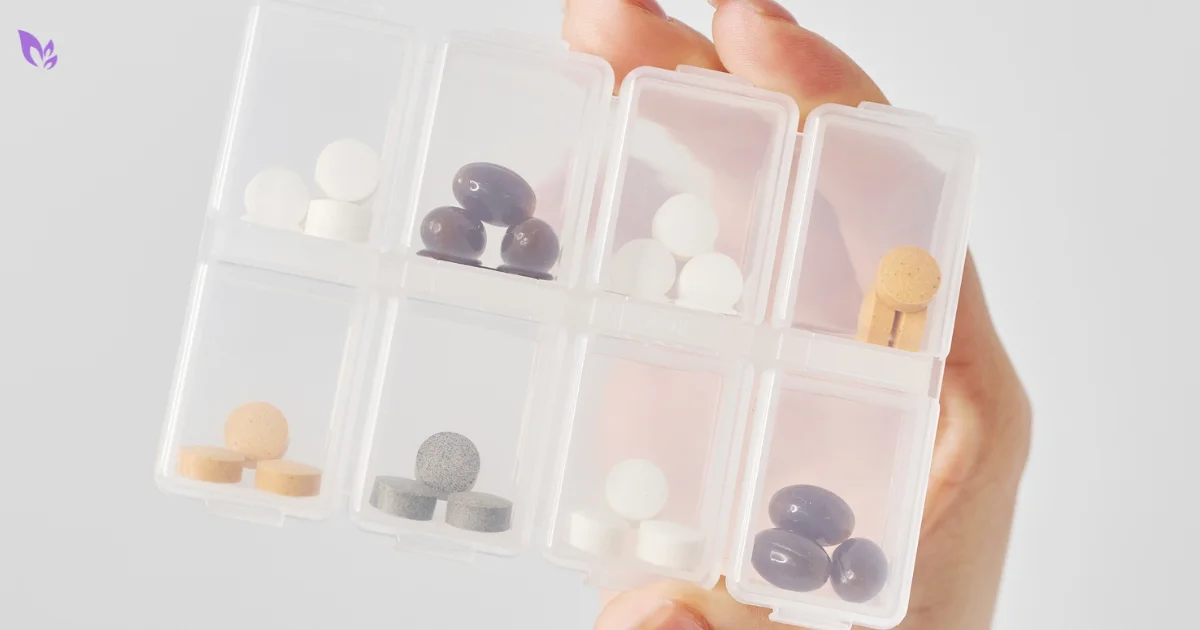
Use this quick supplement storage checklist at home:
This checklist works for most everyday supplements, including capsules, tablets, powders, binders, and liquid products.
Learning how to store supplements properly is a simple step that can help protect product freshness and keep your wellness routine organized. The best approach is to store supplements in a cool, dry place, keep bottles closed, avoid heat and moisture, and follow the label instructions.
Whether you use capsules, binders, herbal formulas, or liquid minerals, good storage habits matter. If you use Mahoney Supplements, check each bottle before use and replace any product that appears damaged, expired, or has been exposed to moisture.
The best way to store supplements is in a cool, dry place away from heat, moisture, sunlight, children, and pets. Keep bottles tightly closed and follow the product label directions.
It is usually better not to store supplements in the bathroom. Bathrooms often have humidity and steam, which may affect capsules, powders, gummies, and labels.
Only refrigerate supplements if the label says to do so. Most capsules and tablets can be stored at normal room temperature in a dry cabinet.
Many supplements have an expiry date or best-by date on the label. Always check the date before use and avoid products that look, smell, or feel unusual.
Supplements can last different amounts of time after opening depending on the formula, packaging, and storage conditions. Always check the label first. A product stored in a cool, dry place with the cap tightly closed is usually better protected than one exposed to heat, sunlight, or moisture.
Heat may affect the condition of some supplements, especially gummies, softgels, oils, liquids, and products left in hot cars. Store supplements away from heat sources.
Usually, no. If a desiccant packet is included, it is there to help manage moisture inside the bottle. Do not eat it, and keep it away from children and pets. Leave it inside unless the label gives different instructions.
Yes, original bottles are best for long-term storage because they keep the label, serving directions, expiry date, warnings, and product details available.
Disclaimer: This article is for general educational purposes only and is not medical advice. Always follow the product label and speak with a healthcare professional if you are pregnant, nursing, taking medication, or unsure about using any supplement.


Noor-ul-Ain is a Tech & SEO Content Writer with over 4 years of experience creating search-optimized content for digital platforms. She specializes in SaaS products, AI tools, SEO strategy, and product documentation, helping platforms turn complex features into clear, search-driven growth. Noor-ul-Ain has also written extensively on health science, sports, fitness, fashion, and beauty, focusing on informative and reader-friendly content.
Coffee or tea is part of many people’s daily routine, and for many supplement users, mornings are the easiest time

Adaptogens have become a popular term in the wellness industry, appearing on supplement labels, herbal formulas, and plant-based products. Words
Herbal supplements have become a common part of many wellness routines, but terms like botanical ingredients, plant-based formulas, herbal extracts,