GlyNAC vs NAC: Does Adding Glycine Make a Difference?
GlyNAC combines glycine and N-acetylcysteine (NAC), while NAC supplements contain N-acetylcysteine without added glycine. Both ingredients contribute to glutathione production,


Nighttime teeth grinding may be noticed by a parent, partner, or dentist. This raises an important question: can parasites cause teeth grinding? Some research suggests a possible association, particularly in children, but grinding alone cannot confirm an infection. Symptoms, exposure history, dental findings, and appropriate testing all matter.
Possibly, but the connection is not proven. Some pediatric studies have reported that intestinal parasites and teeth grinding occur together, while others found no significant relationship. Most research is observational, meaning it can identify an association without proving that parasites directly cause bruxism.
Intestinal parasites may be one possible factor in selected cases, especially when typical infection symptoms are also present. Teeth grinding by itself is not a reliable way to diagnose worms.
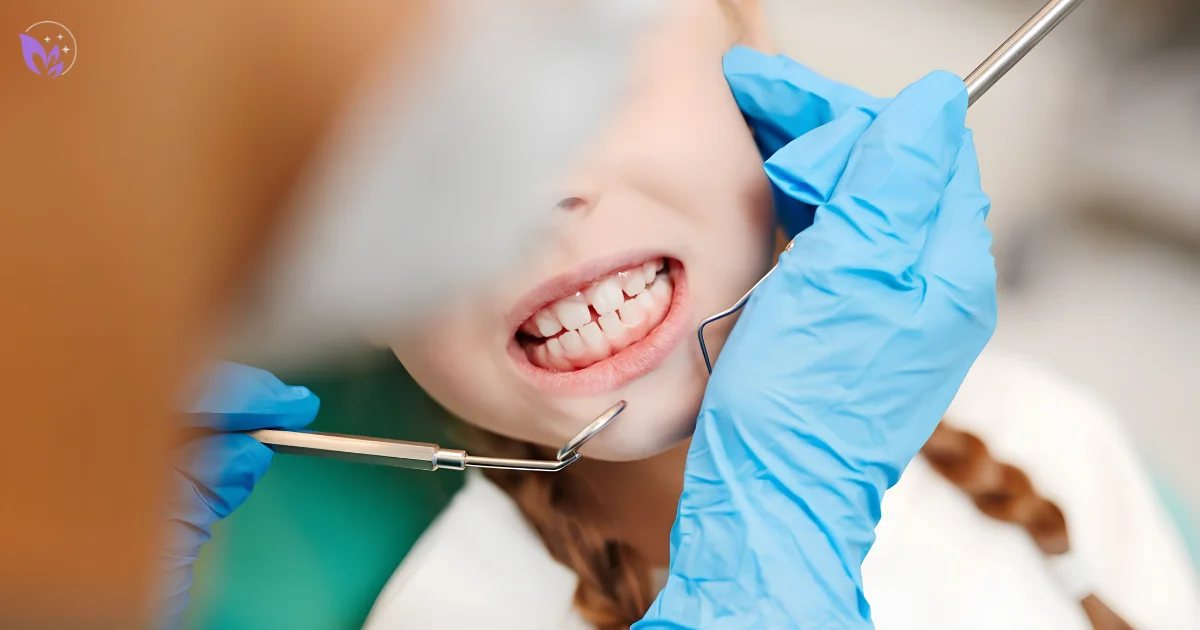
Bruxism is involuntary teeth grinding or jaw clenching. It may happen during sleep or while awake. Sleep bruxism is often first noticed by a parent, partner, or dentist because the person grinding may not know it is happening.
Possible signs include worn teeth, morning jaw tightness, headaches, and tooth sensitivity. The recognized symptoms and causes of bruxism also include stress, genetics, certain medicines, and stimulant use.
Research on bruxism and parasites has produced mixed results. One pediatric study found no significant association between intestinal parasite infection and teeth grinding. A 2026 cross-sectional study involving 450 children reported higher rates of bruxism among children with positive intestinal parasite tests.
These findings do not establish cause and effect. Reported grinding may not always be clinically confirmed, infection rates vary by region, and factors such as stress, sleep quality, and age may influence results. Adult evidence is limited.
| Research finding | What it means |
| Some studies found an association | Infection and grinding were reported together |
| Other studies found no clear association | The relationship is not consistent |
| Most studies are observational | Direct causation has not been proven |
| Research mainly involves children | Adult evidence remains limited |
Pinworms are the intestinal worms most commonly discussed in relation to nighttime bruxism. Female pinworms move to the skin around the anus at night to deposit eggs, which may cause itching, restlessness, and disturbed sleep. This discomfort might contribute to grinding in some children.
Some clinical information about pinworm infection lists teeth grinding among possible symptoms, but nighttime anal itching is a much more typical sign. Some people with pinworms have few or no symptoms, and many people who grind their teeth do not have pinworms.
No. When parents ask, “Is teeth grinding a sign of worms?” the responsible answer is that grinding alone is too nonspecific to diagnose an infection.
Concern may be more reasonable when grinding occurs with severe nighttime anal itching, visible white worms, or confirmed household exposure. Tiredness, bloating, and poor sleep have many possible causes.
A healthcare professional can assess the complete symptom pattern and determine whether parasite testing, a dental examination, or a sleep evaluation is more appropriate.
Possible pinworm symptoms in children and adults include:
Nighttime itching is more characteristic than teeth grinding. For a wider explanation of symptoms and diagnostic methods, read this guide to intestinal parasite symptoms and testing.
Parasites are not the only explanation. Behavioral, dental, or sleep-related factors may be more likely.
Stress can increase jaw tension and unconscious clenching in both adults and children.
Snoring, frequent waking, mouth breathing, or pauses in breathing may suggest a sleep-related breathing issue that needs professional evaluation.
Certain medicines, caffeine, nicotine, and alcohol may increase grinding in some adults.
Jaw tension and tooth discomfort may accompany or worsen grinding. A dentist can check for tooth wear, sensitivity, fractures, and jaw tenderness.
Bruxism can run in families and may be temporary during childhood when it causes no pain or dental damage. Stress, genetics, stimulant use, certain medicines, and sleep-related factors are among the recognized contributors to bruxism.
Pinworm testing may be worth discussing when teeth grinding occurs with:
A common method is the tape test, collected first thing in the morning before bathing, dressing, or using the toilet. Testing on three consecutive mornings may improve the chance of detecting eggs.
Home observation may raise suspicion, but it is not a confirmed diagnosis. A healthcare provider can explain how to collect and submit a sample correctly.
Teeth grinding alone is not a reason to start a parasite cleanse or use a deworming product. A confirmed infection may require targeted treatment. Supplements and herbal products should not replace diagnosis or prescribed care.
Children, pregnant or breastfeeding individuals, and people taking regular medicines should seek professional advice first because some cleanse ingredients can affect medicine or nutrient absorption.
For general guidance before beginning a wellness routine, review these parasite cleanse safety considerations. Bruxism may still require a dental or sleep assessment even when digestive symptoms are present.

Seek professional advice when:
A dentist can examine the effects of nighttime bruxism, while a healthcare provider can assess possible infection, exposure, or sleep-related concerns.
When asking whether parasites cause teeth grinding, the most accurate answer is that a possible association exists, particularly in some pediatric studies, but direct causation has not been established. Teeth grinding alone is not confirmation of an intestinal parasite infection.
If grinding occurs with nighttime anal itching, visible worms, or credible exposure, discuss pinworm testing with a healthcare provider. Dental and sleep-related causes should not be overlooked.
No. Grinding cannot confirm an infection. Typical symptoms, exposure history, and appropriate testing are needed before concluding.
Some studies suggest a possible association between intestinal parasites and teeth grinding, but the evidence is inconsistent. Many children grind their teeth for unrelated reasons.
Pinworm-related itching may disturb sleep and contribute to restlessness or grinding in some cases, but it is not a reliable standalone sign.
A connection is possible, but evidence in adults is limited. Stress, medicines, stimulant use, jaw tension, and sleep problems are more common factors.
The most typical sign is intense itching around the anus, especially at night. Some infections cause disturbed sleep or no obvious symptoms.
A tape test is commonly used. A sample is collected first thing in the morning, often on three consecutive days, and examined for pinworm eggs.
Yes, especially when it causes tooth wear, sensitivity, jaw pain, or headaches. A dentist can assess the damage and recommend appropriate next steps.
This article is for general informational purposes only and is not a substitute for professional medical or dental advice. Persistent teeth grinding, severe itching, visible worms, breathing pauses during sleep, or ongoing digestive symptoms should be discussed with a qualified healthcare professional.


Noor-ul-Ain is a Tech & SEO Content Writer with over 4 years of experience creating search-optimized content for digital platforms. She specializes in SaaS products, AI tools, SEO strategy, and product documentation, helping platforms turn complex features into clear, search-driven growth. Noor-ul-Ain has also written extensively on health science, sports, fitness, fashion, and beauty, focusing on informative and reader-friendly content.
GlyNAC combines glycine and N-acetylcysteine (NAC), while NAC supplements contain N-acetylcysteine without added glycine. Both ingredients contribute to glutathione production,

Yes, you can take zinc and iron on the same day. Some multivitamins even contain both. Higher amounts of supplemental

Yes, taking too much zinc can cause copper deficiency. High doses of zinc, especially when taken for several weeks, can